A commercial roof inspection is one of the smartest investments a business owner or property manager can make. Many commercial roofs look fine from the ground, but small hidden problems can slowly grow into expensive repairs. Regular inspections help catch these issues early, protect your building, and save your business significant money over time.
This article explains what a commercial roof inspection is, why it matters, how it saves money, and when you should schedule one. Whether you own an office building, warehouse, retail space, or industrial facility, understanding roof inspections helps you protect your investment.
What Is a Commercial Roof Inspection?
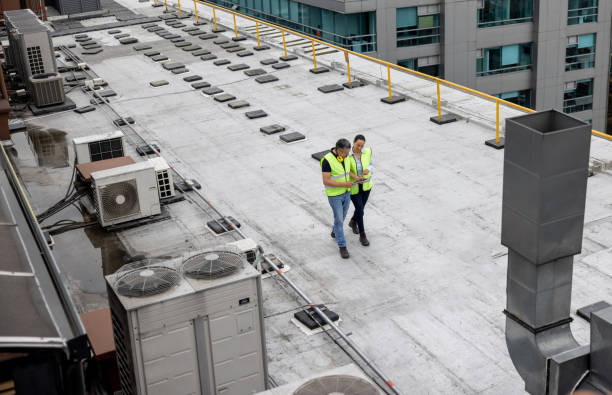
A commercial roof inspection is a professional evaluation of a building’s roofing system. It checks the roof’s condition, structure, materials, drainage, and potential problem areas. Unlike residential roofs, commercial roofs are often flat or low-slope and require specialized knowledge.
During an inspection, a roofing expert looks for:
- Surface damage
- Leaks or moisture intrusion
- Weak seams and flashing
- Ponding water
- Drainage problems
- Signs of aging or wear
The goal is to identify small issues before they turn into major repairs or full roof replacement.
Why Regular Commercial Roof Inspections Are Essential
Many businesses delay roof inspections until they notice a leak. By then, damage has often spread below the surface. Regular commercial roof inspection prevents this costly mistake.
Key Benefits
- Early problem detection
- Lower repair costs
- Longer roof lifespan
- Fewer business disruptions
- Better budget planning
A proactive approach always costs less than emergency repairs.
How Regular Commercial Roof Inspections Save Your Business Money
1. Early Detection Prevents Expensive Repairs
Small roofing problems rarely stay small. Minor cracks, loose seams, or failing flashing allow moisture to enter the roofing system. Over time, water damages insulation, decking, and interior spaces.
A routine commercial roof inspection detects:
- Hairline cracks
- Early membrane separation
- Weak flashing points
- Small punctures
Repairing these issues early costs far less than replacing damaged structural components later.
2. Extends the Life of Your Roof
Commercial roofs are designed to last 20–40 years, but only with proper care. Without inspections, minor wear speeds up roof failure.
Regular inspections help:
- Maintain waterproof layers
- Reduce material breakdown
- Prevent structural stress
This means fewer replacements and more years from your existing roof, saving tens of thousands of dollars.
3. Protects Your Building Interior and Assets
Your roof protects everything inside your building inventory, equipment, documents, and employees. A hidden leak can damage ceilings, walls, electrical systems, and valuable assets long before it’s noticed.
Commercial roof inspections help ensure:
- No hidden water damage
- Proper drainage is working
- Interior spaces remain safe and dry
This level of protection is critical for offices, warehouses, retail stores, and industrial facilities.
4. Reduces Energy Costs
A damaged roof affects energy efficiency. Moisture-soaked insulation and air leaks make heating and cooling systems work harder.
During a commercial roof inspection, professionals check for:
- Wet insulation
- Poor ventilation
- Thermal loss areas
Fixing these problems improves indoor temperature control and lowers monthly energy bills.
5. Supports Insurance and Warranty Compliance
Many insurance policies and roofing warranties require proof of regular roof maintenance. Without inspection records, claims may be denied.
A professional commercial roof inspection provides:
- Written inspection reports
- Photo documentation
- Maintenance recommendations
These records protect your business during insurance claims and warranty disputes.
What Happens During a Commercial Roof Inspection?
A professional inspection follows a clear process to ensure nothing is missed.
Visual Roof Surface Check
- Cracks, punctures, or blisters
- Membrane shrinkage
- Loose or damaged seams
Flashing and Edge Inspection
- Around HVAC units
- Skylights and vents
- Roof edges and parapet walls
Drainage System Evaluation
- Clogged drains
- Ponding water
- Improper slopes
Interior Inspection
- Water stains
- Mold or moisture signs
- Structural movement
Companies like United Developers perform detailed inspections to give business owners a clear picture of roof health and repair priorities.
How Often Should You Schedule a Commercial Roof Inspection?
Most experts recommend:
- Twice per year (spring and fall)
- After major storms
- Before warranty expiration
High-traffic or older buildings may need more frequent checks.
Common Problems Found During Commercial Roof Inspections
A commercial roof inspection often reveals issues that are not visible from the ground.
Most Common Issues
- Ponding water on flat roofs
- Deteriorated flashing
- Membrane punctures
- Shrinking or cracked materials
- Poor previous repairs
Catching these problems early prevents major structural damage.
Choosing the Right Commercial Roof Inspection Provider
Not all inspectors offer the same level of service. Look for:
- Experience with commercial systems
- Clear inspection reports
- Repair recommendations
- Knowledge of local codes
Trusted roofing contractors like United Developers focus on long-term value, not just short-term fixes.
Final Thoughts
A commercial roof inspection is not just routine maintenance, it is a strategic financial decision. Regular inspections prevent emergency repairs, extend roof life, reduce energy costs, protect interior assets, and support insurance compliance.
For businesses that want stability, cost control, and long-term property protection, routine commercial roof inspections are essential. Partnering with experienced professionals ensures your roof receives the attention it needs to perform reliably year after year.
READY TO TRANSFORM YOUR SPACE?
Discover top-rated construction, remodeling, and renovation services tailored to your needs.



Trusted by 50+ businesses across Maryland & Virginia.