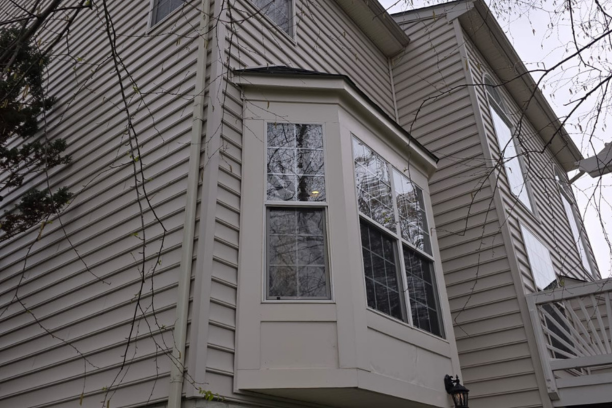
If you are comparing exterior materials for your home, you may be asking, what is clapboard siding and why do so many houses use it. This is a common question among homeowners who want an exterior that looks attractive, lasts well, and handles weather properly. Understanding what is clapboard siding can help you choose the right material for your home and avoid expensive mistakes later.
Clapboard siding is one of the most classic siding styles used on residential properties in the United States. It has been around for generations because it offers a clean appearance, a traditional design, and dependable weather protection. Many homeowners in Maryland and Virginia still choose it because it gives a house timeless curb appeal while also helping protect the structure from rain, wind, and moisture.
In this guide, you will learn what is clapboard siding, how it works, what it is made of, its benefits, its drawbacks, and whether it is a smart option for your home.
What Is Clapboard Siding?
So, what is clapboard siding exactly? Clapboard siding is a type of exterior siding made from long horizontal boards installed in overlapping rows. Each board slightly covers the board below it. This layered design helps rainwater run off the wall instead of getting trapped behind the siding.
Traditionally, clapboard siding was made from wood. The boards were often cut so one edge was thicker and the other edge was thinner. Once installed, the boards created a sloped effect that improved water drainage and gave the house its classic appearance. Today, clapboard siding is available in several materials, including wood, vinyl, fiber cement, and engineered wood.
So, if you are asking what is clapboard siding, the simple answer is this: it is a horizontal siding style with overlapping boards that combines traditional beauty with practical weather protection.
Why Homeowners Like Clapboard Siding
There is a reason clapboard siding has remained popular for so long. It offers a balance of looks, function, and versatility. Homeowners often choose it because it works well on many home styles and does not look outdated after a few years.
Some of the main reasons people like clapboard siding include:
- Classic curb appeal
- Good water-shedding design
- Availability in several materials
- Compatibility with traditional and modern homes
- Strong resale appeal
Unlike some exterior trends that come and go, clapboard siding has staying power. It looks familiar, reliable, and well-built.
Common Materials Used for Clapboard Siding
Another important part of understanding what is clapboard siding is knowing the material options. The style stays the same, but the material can change how the siding performs, how much upkeep it needs, and how much it costs.
Wood Clapboard Siding
Wood is the original clapboard siding material. It offers a natural texture and traditional appearance that many homeowners still love. Cedar and pine are common choices.
Wood clapboard siding looks great, but it needs regular care. It may require painting, sealing, and repairs over time. If neglected, it can develop rot, insect damage, and moisture problems.
Vinyl Clapboard Siding
Vinyl clapboard siding is a popular low-maintenance option. It does not need painting and is available in many colors and styles. It is often chosen by homeowners who want an affordable siding solution.
Still, vinyl quality matters. Cheap vinyl can crack, fade, or warp, especially after years of weather exposure.
Fiber Cement Clapboard Siding
Fiber cement siding is made from cement, sand, and cellulose fibers. It is known for being strong, durable, and resistant to pests, rot, and fire. It can also mimic the look of real wood.
This material usually costs more than vinyl and is heavier to install, but it offers a strong combination of appearance and performance.
Engineered Wood Clapboard Siding
Engineered wood siding is designed to look like real wood while improving resistance to moisture and pests. It can be a practical option for homeowners who want the wood look without full wood maintenance.
Clapboard Siding Material Comparison
Here is a simple table to make the differences easier to understand:
| Material | Look | Maintenance | Durability | Cost Level |
|---|---|---|---|---|
| Wood | Natural and classic | High | Good with care | Medium to high |
| Vinyl | Clean and simple | Low | Moderate | Low to medium |
| Fiber Cement | Premium and wood-like | Low to medium | High | Medium to high |
| Engineered Wood | Real wood appearance | Medium | Good to high | Medium |
This table makes the choice easier: there is no “best” option for everyone. The right siding depends on what matters most to you.
Benefits of Clapboard Siding
Clapboard siding continues to be a strong choice because it offers several practical and visual advantages.
Timeless Appearance
One of the biggest benefits of clapboard siding is its classic look. It gives a house a neat, balanced, and attractive exterior that does not feel trendy or temporary.
Good Weather Protection
Because the boards overlap, clapboard siding helps water move downward instead of collecting on the wall. That makes it a smart option for homes exposed to rain and seasonal weather.
Flexible Material Choices
Homeowners can choose the material that fits their goals. Whether you want the charm of wood, the low maintenance of vinyl, or the durability of fiber cement, clapboard siding gives you options.
Better Curb Appeal
Siding plays a major role in how a home looks from the street. A well-installed clapboard siding system can improve the overall appearance of the property and make it look more polished.
Fits Many Home Styles
Clapboard siding works well on Colonial homes, cottages, Cape Cod homes, farmhouses, and many suburban houses. It is one of the most versatile exterior siding profiles available.
Drawbacks of Clapboard Siding
Let’s not pretend clapboard siding is flawless. It is a strong option, but it still has weak points depending on the material and installation.
Some Materials Need More Maintenance
Wood clapboard siding requires ongoing care. If you ignore it, moisture damage, peeling paint, and rot can show up.
Installation Must Be Done Right
Poor installation can lead to water intrusion, loose boards, and expensive repairs. The product matters, but workmanship matters just as much.
Cost Can Vary
Some clapboard siding materials are affordable, but premium options can cost more upfront. That does not make them bad, but homeowners should understand the full cost before committing.
Signs Your Clapboard Siding Needs Replacement
Even durable siding will show signs of wear over time. Homeowners should watch for serious problems before moisture damage spreads deeper into the wall system.
Common signs include:
- Cracked, split, or warped boards
- Loose or missing siding pieces
- Rot or soft spots
- Fading, peeling, or bubbling paint
- Mold, mildew, or water stains
- Moisture getting inside exterior walls
- Repeated problems across multiple siding sections
If you notice these warning signs, do not wait too long. When clapboard siding has widespread damage, moisture issues, or visible deterioration, replacement is often the best way to protect the home and restore its appearance.
Simple Maintenance Tips
Clapboard siding lasts longer when it is maintained properly. The exact care depends on the material, but a few habits apply to almost every home.
Inspect the siding once or twice a year. Clean off dirt, mold, and debris. Make sure gutters are draining correctly so water does not run down the walls. Repair damaged sections early before moisture spreads. If you have wood clapboard siding, repaint or reseal it when needed.
Small maintenance is always cheaper than major repairs.
Final Thoughts
So, what is clapboard siding? It is a traditional horizontal siding style made from overlapping boards that helps protect a home while giving it a classic appearance. It remains popular because it offers strong curb appeal, practical performance, and several material options for different budgets.
For homeowners who want a reliable and attractive exterior, clapboard siding is worth serious consideration. The key is choosing the right material and making sure the installation is done properly. If you are planning an exterior upgrade, UD Roofing understands how siding systems need to perform in real homes, not just on paper. For properties in Maryland and Virginia, choosing the right clapboard siding can improve both protection and appearance for years to come.
READY TO TRANSFORM YOUR SPACE?
Discover top-rated construction, remodeling, and renovation services tailored to your needs.



Trusted by 50+ businesses across Maryland & Virginia.