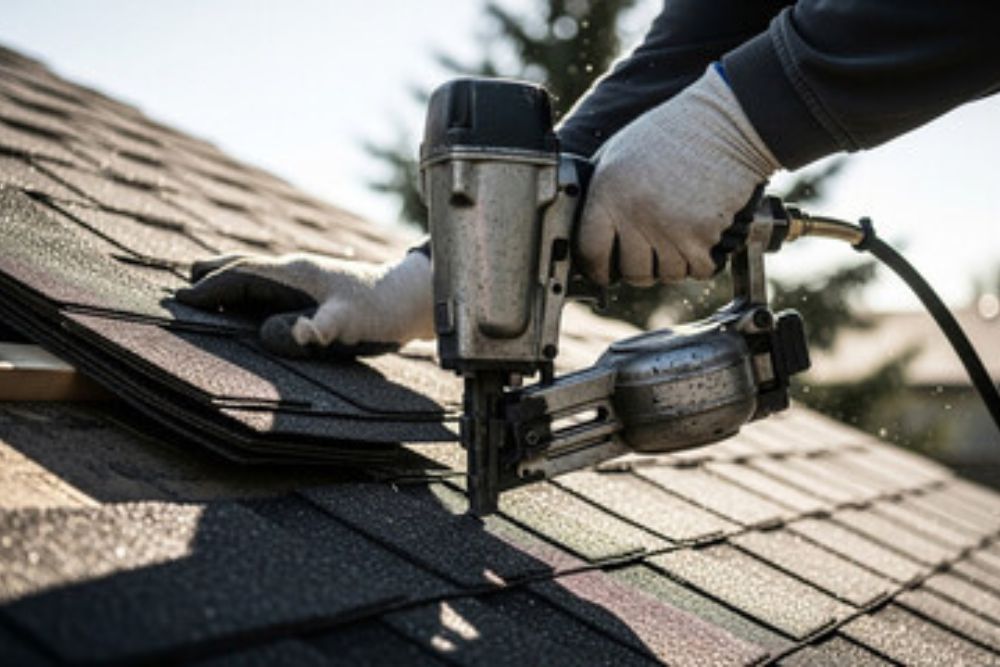
TPO roofing material has become one of the most trusted and widely used roofing solutions in today’s construction industry. With its balance of durability, energy efficiency, and affordability, TPO has earned a strong reputation among property owners and roofing professionals. As buildings move toward modern, sustainable, and cost-effective designs, TPO stands out as a roofing system that delivers long-term protection without high maintenance costs.
Whether you are planning a new roof installation or searching for a reliable replacement option, understanding how TPO roofing material works can help you make a confident decision. Companies like United Developers prefer TPO because it offers proven performance in both commercial and residential settings. This complete guide explains everything you need to know from its composition and benefits to installation methods, lifespan, and maintenance tips.
What Is TPO Roofing Material?
TPO stands for Thermoplastic Polyolefin, a single-ply membrane used primarily on flat and low-slope roofs. It is made from a blend of polypropylene and ethylene-propylene rubber, giving it strong flexibility, heat resistance, and long-lasting durability.
TPO membranes are commonly white or light-colored, which helps reflect sunlight and reduce heat absorption. This makes TPO one of the most energy-efficient roofing systems available.
Why TPO Roofing Material Is Popular
Property owners and roofing professionals prefer TPO for several reasons:
1. Energy Savings
The bright white surface of TPO reflects UV rays, helping reduce the need for air conditioning in hot weather. This is especially valuable for commercial buildings where energy usage is high.
2. Cost-Effective
Compared to other roofing systems, TPO offers excellent performance at an affordable price. It costs less than PVC and delivers similar benefits.
3. Durable and Weather-Resistant
TPO roofing material is designed to resist:
- Heat and sun exposure
- Rain and standing water
- Wind damage
- Tears and punctures
This durability makes it ideal for buildings in regions with extreme weather.
4. Easy Installation
The membrane is lightweight and flexible, which makes installation faster. A quicker installation means lower labor costs and less disruption to your property.
5. Environmentally Friendly
TPO roofing is recyclable and free from harmful chemicals, making it a greener choice for modern construction.
Main Components of TPO Roofing Material
To understand its performance, it helps to know the layers of a TPO roof:
- Top ply: UV-resistant and weather-resistant surface
- Scrim layer: Reinforced fabric that strengthens the membrane
- Bottom ply: Heat-weldable material that bonds during installation
This three-layer structure makes TPO strong and dependable.
TPO Roofing Material Specifications
Here is a quick comparison of common TPO membrane thicknesses:
| TPO Thickness | Durability Level | Best For | Expected Lifespan |
|---|---|---|---|
| 45 mil | Standard durability | Small commercial roofs, budget installs | 12–15 years |
| 60 mil | High durability | Most commercial buildings | 15–20 years |
| 80 mil | Premium durability | Large facilities, high-traffic roofs | 20–30 years |
Thicker membranes offer better resistance to punctures and wear, but the right choice depends on your project budget and building needs.
How TPO Roofing Material Is Installed
Professional installation is essential. Companies like United Developers follow industry best practices to ensure a long-lasting and secure roof.
Here’s an overview of the installation process:
1. Preparing the Roof Surface
The roof must be clean, smooth, and free from debris. Any old material is removed or repaired to create a solid base.
2. Installing the Insulation
Rigid insulation boards, such as polyiso or EPS, are placed to improve energy performance. The insulation layer also provides a stable foundation.
3. Laying the TPO Membrane
The TPO membrane is rolled out across the roof. Installers ensure it is laid flat with no wrinkles or gaps.
4. Securing the Membrane
There are three main installation methods:
- Fully adhered: Membrane glued to the insulation
- Mechanically attached: Screws and plates secure the membrane
- Ballasted: Weighted materials like stones hold it in place
Each method has advantages, depending on building conditions.
5. Heat-Welding the Seams
This is a key step. A hot-air welder melts the edges to create a strong, watertight bond. Welded seams are more durable than glued seams used in older roofing systems.
6. Final Inspection
Installers check all seams, edges, and connections to ensure proper bonding. A thorough inspection guarantees long-term performance.
Advantages of TPO Roofing Material
- 1. Excellent Waterproof Protection: With its heat-welded seams, TPO prevents leaks even during heavy rainfall.
- 2. Resistant to Mold and Dirt: The smooth surface does not trap moisture or allow mold to grow, keeping the roof clean for longer.
- 3. Reduced Energy Bills: TPO reflects heat, lowering cooling costs and improving indoor comfort.
- 4. Low Maintenance: TPO roofs require minimal upkeep. Simple cleaning and annual inspections help extend their lifespan.
- 5. Strong Against Punctures: Reinforced TPO membranes resist impact damage, making them ideal for foot traffic areas.
Disadvantages of TPO Roofing Material
While TPO is a great option, it is important to consider some limitations:
- 1. Quality Varies by Manufacturer: Not all TPO membranes are equal. Choosing professional installers, like United Developers, ensures you get high-quality material.
- 2. Can Shrink Over Time: Lower-quality TPO may shrink, leading to seam pulling. This is why expert installation is essential.
- 3. Not Ideal for Very Steep Roofs: TPO works best on flat or low-slope roofs, not high-pitch residential styles.
How Long Does TPO Roofing Material Last?
With proper installation and maintenance, a TPO roof can last 15 to 30 years. Choosing the right membrane thickness, conducting routine inspections, and hiring experienced professionals can extend its lifespan significantly.
Is TPO Roofing Material the Right Choice for Your Building?
You should consider TPO if you want:
- A durable, protective roofing system
- Strong heat and UV resistance
- Low maintenance
- Affordable installation
- Excellent energy savings
- A modern, eco-friendly solution
TPO remains one of the best choices for commercial facilities, industrial buildings, retail properties, and even certain residential structures.
Why Work With Professional Roofing Contractors
Because TPO relies heavily on proper welding and installation techniques, choosing trained roofing professionals is crucial. Experts like United Developers ensure:
- Accurate measurements
- High-quality membrane selection
- Skilled heat-welding techniques
- Proper insulation setup
- Thorough inspections for long-term reliability
Working with professionals ensures your TPO roofing performs exactly as expected.
Final Thoughts
TPO roofing material has become a top choice for modern roofing due to its durability, cost-effectiveness, and impressive energy efficiency. Its strong weather resistance, long lifespan, and low maintenance requirements make it ideal for businesses and residential properties alike. When installed by skilled professionals such as United Developers, TPO roofs deliver years of reliable protection and exceptional value.
If you want a roofing system that combines modern performance with long-term savings, TPO is one of the smartest options available today.
READY TO TRANSFORM YOUR SPACE?
Discover top-rated construction, remodeling, and renovation services tailored to your needs.



Trusted by 50+ businesses across Maryland & Virginia.