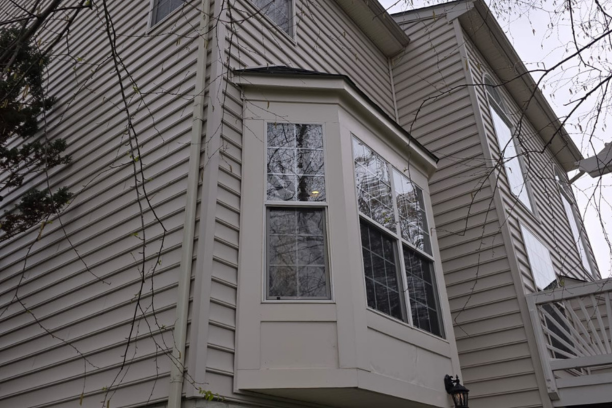
Choosing the right exterior siding is one of the most important decisions homeowners make when improving or building a house. Siding does more than enhance the appearance of your property, it also protects the structure from weather damage, improves energy efficiency, and contributes to the overall durability of the home. When homeowners begin researching types of siding, they often want to understand the differences between materials and determine which option provides the best balance of performance, durability, and aesthetics.
Today, there are many types of siding for homes, each designed with unique characteristics and benefits. Some materials focus on durability, while others emphasize design flexibility or minimal maintenance. Understanding the most common exterior siding materials can help homeowners make an informed decision that suits their home, climate, and long-term maintenance expectations.
This guide explains the most popular house siding options, their key advantages, and how to choose the best siding for your home.
Why Choosing the Right Siding Matters
Exterior siding plays a crucial role in protecting the structure of a home. Quality siding creates a barrier that shields the house from moisture, wind, and environmental wear. Without durable siding, homes may experience issues such as water intrusion, structural damage, or energy loss.
In addition to protection, siding also affects the overall appearance of the home. The right siding material can significantly improve curb appeal and increase property value. Many homeowners choose modern siding solutions that combine long-lasting durability with contemporary exterior design.
When evaluating different types of siding, homeowners should consider several important factors:
- Weather resistance
- Maintenance requirements
- Durability and lifespan
- Visual style and design compatibility
- Energy efficiency
Understanding these factors helps homeowners select a siding material that performs well over time.
Most Popular Types of Siding for Homes
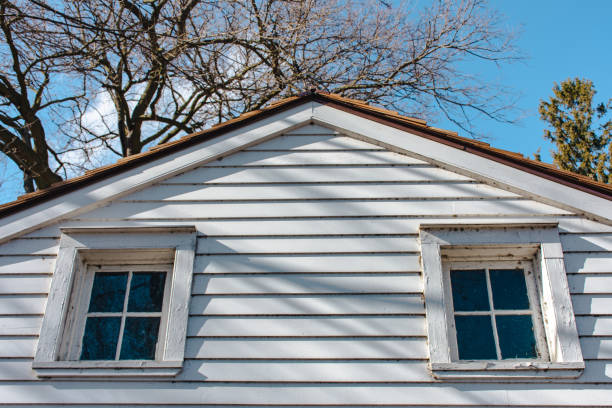
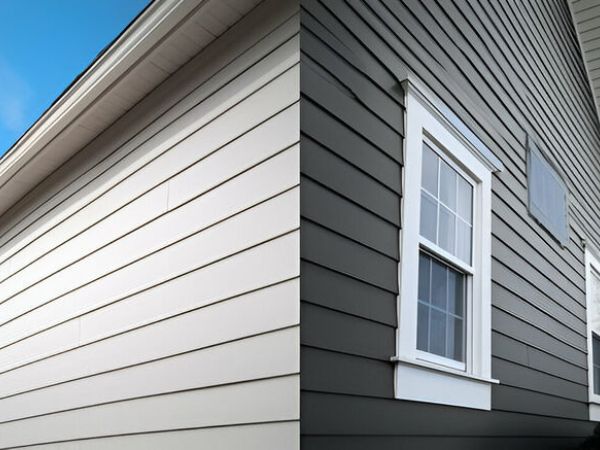
There are several common siding materials used in residential construction today. Each siding type offers distinct advantages depending on the needs of the homeowner and the style of the property.
Vinyl Siding
Vinyl siding is one of the most widely used siding materials in residential construction. Known for its durability and low maintenance requirements, vinyl siding is a popular choice for homeowners looking for a practical and cost-effective exterior solution.
Vinyl siding is manufactured from PVC material designed to withstand exposure to moisture, sunlight, and temperature changes. Because it does not require painting or frequent maintenance, it remains one of the most convenient siding options.
Key benefits of vinyl siding include:
- Low maintenance requirements
- Strong resistance to moisture and pests
- Wide variety of colors and styles
- Lightweight and efficient installation
Many modern homes use vinyl siding installation because it offers a balance between appearance and durability.
Clapboard Siding
Clapboard siding is one of the most traditional and widely recognized exterior siding styles used in residential homes. This siding style features long, horizontal wooden boards that overlap each other, creating a layered design that effectively sheds water away from the structure.
Clapboard siding is commonly associated with classic American architecture and is often seen on colonial-style homes. While traditionally made from wood, modern versions are also available in materials such as vinyl and fiber cement, offering improved durability and lower maintenance.
Key advantages of clapboard siding include:
- Timeless and traditional appearance
- Effective water drainage due to overlapping design
- Available in multiple materials such as wood, vinyl, and fiber cement
- Suitable for a wide range of architectural styles
Because of its classic look, clapboard siding remains a popular choice among homeowners seeking a clean and elegant exterior design.
Dutch Lap Siding
Dutch lap siding is a variation of traditional horizontal siding but with a distinctive decorative profile. Each board features a curved edge at the top, creating a shadow line between panels that adds visual depth to the exterior of a home.
This style of siding is commonly available in vinyl siding systems, making it a durable and low-maintenance option for homeowners. Dutch lap siding is especially popular because it combines the durability of vinyl with a more decorative exterior appearance.
Benefits of Dutch lap siding include:
- Attractive shadow lines that enhance curb appeal
- Strong weather resistance
- Low maintenance compared to wood siding
- Widely available in modern vinyl siding products
Many homeowners choose Dutch lap siding when they want a siding design that adds more visual character than standard horizontal siding.
Board and Batten Siding
Board and batten siding is a vertical siding style that has become increasingly popular in modern home designs. This siding pattern consists of wide vertical boards installed side by side, with narrow strips called battens placed over the seams between the boards.
This design creates a bold vertical appearance that can make homes look taller and more modern. Historically used on barns and agricultural buildings, board and batten siding is now widely used in residential architecture.
Common materials used for board and batten siding include:
- Wood
- Vinyl
- Fiber cement
- Engineered wood
Advantages of board and batten siding include:
- Distinctive vertical architectural style
- Strong durability and structural performance
- Modern farmhouse aesthetic
- Suitable for contemporary home designs
Because of its unique appearance, board and batten siding is often chosen by homeowners who want a modern exterior style with strong visual impact.
Comparison of Common Siding Materials
The table below compares several popular types of siding used for residential homes, helping homeowners understand how each siding option differs in durability, maintenance requirements, and overall appearance.
| Siding Type | Durability | Maintenance | Appearance |
|---|---|---|---|
| Vinyl Siding | High | Low | Clean, modern look with many color options |
| Clapboard Siding | Moderate to High | Moderate | Classic horizontal siding style with traditional appeal |
| Dutch Lap Siding | High | Low | Decorative horizontal siding with shadow lines |
| Board and Batten Siding | High | Moderate | Vertical siding style with modern farmhouse appearance |
This comparison makes it easier for homeowners to evaluate different types of siding for homes and understand which siding style may best match their design preferences and maintenance expectations.
How to Choose the Best Type of Siding for Your Home
With many different types of siding available, choosing the right material can feel overwhelming. However, evaluating a few key considerations can simplify the decision.
Climate and Environmental Conditions
Weather conditions can influence how siding materials perform over time. Homes located in regions with frequent storms or humidity may require siding materials with strong moisture resistance.
Maintenance Expectations
Some siding materials require more upkeep than others. Homeowners who prefer minimal maintenance often choose siding materials designed for durability and long-term performance.
Architectural Style
The design of the home should complement the siding material. Certain siding styles work better with traditional homes, while others enhance modern architectural designs.
Long-Term Durability
Durability is an important factor when evaluating types of house siding. Investing in quality siding materials can help protect the home and reduce the need for frequent repairs.
Professional Siding Installation Matters
Regardless of which siding material you choose, proper installation is essential for long-term performance. Incorrect installation can lead to moisture problems, structural issues, and reduced siding lifespan.
Working with experienced siding professionals ensures that the siding system is installed correctly and provides reliable protection for the home.
Homeowners in Maryland and Virginia often seek professional siding contractors to ensure their siding installation meets building standards and performs well in local climate conditions.
What are the different types of siding?
There are several types of siding used for homes, each offering different benefits in terms of durability, appearance, and maintenance. Common types of siding include vinyl siding, clapboard siding, Dutch lap siding, board and batten siding, fiber cement siding, wood siding, and metal siding. Homeowners choose siding materials based on design preference, weather resistance, and long-term performance.
What are the three major types of board siding?
The three common types of board siding styles include:
- Clapboard siding – horizontal boards that overlap to create a traditional exterior design.
- Board and batten siding – vertical boards with narrow battens covering the seams between boards.
- Dutch lap siding – horizontal siding with a curved edge that creates shadow lines for added visual depth.
These styles are widely used in modern and traditional residential architecture.
What is D4 and D5 siding?
D4 and D5 siding refer to the size of vinyl siding panels.
- D4 siding (Double 4) means two panels that are each 4 inches high.
- D5 siding (Double 5) means two panels that are each 5 inches high.
Both profiles are commonly used in vinyl siding installation. The main difference is the width of the panel, which affects the overall appearance of the home exterior.
What is double 5 siding?
Double 5 siding (D5 siding) is a vinyl siding profile with two horizontal panels, each 5 inches high. It creates a wider, traditional siding appearance on residential homes.
Final Thoughts
Understanding the types of siding available today helps homeowners make informed decisions when upgrading or building a home. From low-maintenance vinyl siding to durable fiber cement and natural wood options, each siding material offers unique benefits.
Selecting the best siding depends on the homeowner’s priorities, including durability, appearance, maintenance expectations, and environmental conditions.
By carefully evaluating the most common types of siding for homes, homeowners can choose an exterior siding solution that enhances curb appeal, protects the structure, and provides long-term value for the property.
READY TO TRANSFORM YOUR SPACE?
Discover top-rated construction, remodeling, and renovation services tailored to your needs.



Trusted by 50+ businesses across Maryland & Virginia.