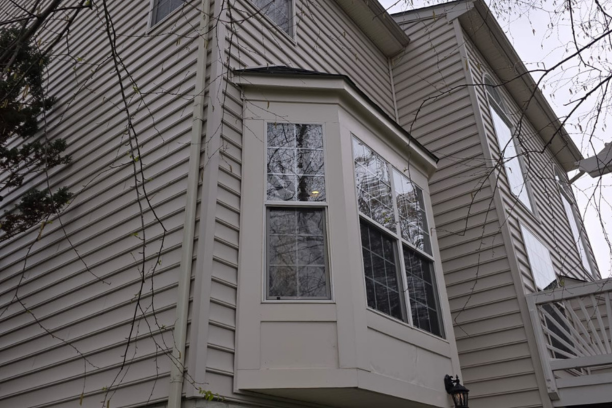
Board and batten metal siding has become one of the most reliable exterior cladding systems in modern construction because it combines architectural beauty with long-term durability. Unlike traditional wood siding, it does not rot, warp, or demand constant repainting, making it a preferred choice for both homeowners and contractors working on residential and light commercial projects.
In regions with changing weather conditions such as Maryland and Virginia, this siding style is especially popular due to its ability to handle humidity, rain, and seasonal temperature shifts without losing structural integrity or appearance.
This guide explains everything you need to know—from design styles and installation methods to real-world contractor insights used by firms like United Developers.
What Is Board and Batten Metal Siding?
Board and batten metal siding is a vertical exterior cladding system made from wide metal panels (“boards”) and narrow covering strips (“battens”) that hide seams between panels.
Unlike wood board and batten, which requires regular maintenance, the metal version is engineered for performance. It is usually made from galvanized steel or aluminum and coated with protective finishes such as PVDF or SMP paint systems for long-term color stability.
Key characteristics:
- Vertical panel orientation for height enhancement
- Seam-covered batten strips for clean aesthetics
- High resistance to moisture, fire, and pests
- Long service life (often 30–50+ years depending on system)
Popular Styles of Board and Batten Metal Siding
Different design approaches can completely change the look of a building. Below are the most common styles used in residential and commercial construction.
1. Traditional Vertical Board and Batten
This is the classic style with evenly spaced battens over flat metal panels. It creates a farmhouse-inspired look that remains timeless.
2. Modern Minimalist Panels
This style uses wider panels and thinner battens for a cleaner, more streamlined appearance. It is often used in contemporary homes.
3. Mixed Material Design
Board and batten metal siding is combined with stone, brick, or wood accents to create contrast and depth.
4. Industrial Style Finish
Uses darker tones like charcoal, black, or deep gray metal for a bold, industrial look often seen in urban architecture.
5. Textured or Wood-Grain Metal Panels
These mimic natural wood while offering the durability of metal, making them ideal for homeowners who want warmth without maintenance.
Comparison of Board and Batten Metal Siding Options
| Style Type | Visual Appearance | Maintenance Level | Best For | Design Impact |
|---|---|---|---|---|
| Traditional Vertical | Classic farmhouse look | Very Low | Residential homes | Warm and familiar |
| Modern Minimalist | Clean and sleek | Very Low | Modern architecture | High-end contemporary |
| Mixed Material | Textured and layered | Low | Custom builds | High visual contrast |
| Industrial Finish | Bold and dark tones | Very Low | Urban/commercial spaces | Strong architectural |
| Wood-Grain Metal | Natural wood look | Very Low | Suburban homes | Warm and natural feel |
Learn more about alternative materials in our board and batten vinyl siding blog.
Design Ideas That Actually Work in Real Projects
In real-world projects, architects and builders often focus on balance, proportion, and material contrast. Board and batten metal siding gives homeowners a practical way to create a clean, modern exterior while still maintaining a timeless architectural look.
1. Vertical Height Enhancement
Using board and batten metal siding on full elevations can make a home appear taller, more structured, and visually balanced. This works especially well on gables, front elevations, and multi-story homes.
2. Two-Tone Exterior Systems
Combining light siding with dark trim creates depth and modern contrast. For example, white or light gray vertical panels paired with black windows, fascia, or trim can give the exterior a sharp, contemporary appearance.
3. Entryway Emphasis
Board and batten metal siding can also be used around doors, porches, or entryways to highlight key architectural features. This helps create a stronger focal point without overwhelming the entire exterior.
4. Mixed Texture Balance
Pairing metal siding with stone bases, brick accents, or natural wood elements prevents the exterior from looking flat. The contrast between smooth metal panels and textured materials creates a more complete, high-end finish.
5. Modern Farmhouse Integration
Blending vertical metal siding with wood beams, dark trim, and clean rooflines creates a balanced rustic-modern style. This approach is especially popular for homeowners who want a farmhouse-inspired look with better durability and lower maintenance.
Explore more design options on our board and batten siding page.
Installation Overview and Process
Proper installation is critical for performance and longevity. While professional installation is recommended, understanding the process helps homeowners make better decisions.
Step 1: Surface Preparation
The wall surface must be clean, dry, and structurally sound. A weather-resistant barrier is typically installed beneath the siding.
Step 2: Measuring and Layout
Accurate spacing is marked to ensure battens are evenly aligned. Misalignment can affect the entire visual structure.
Step 3: Installing Metal Panels
Wide vertical metal panels are fixed to the exterior frame using corrosion-resistant fasteners.
Step 4: Adding Battens
Narrow strips (battens) are placed over seams to create the signature board-and-batten look.
Step 5: Sealing and Finishing
Edges and joints are sealed to prevent moisture intrusion and improve durability.
In professional construction projects, contractors often rely on standardized installation methods to ensure siding performs well under varying seasonal conditions.
Common Contractor Mistakes
Most siding failures are not material-related—they are installation-related.
Mistakes to avoid:
- Incorrect batten spacing causing uneven visuals
- Skipping moisture barrier installation
- Using non-compatible fasteners (causes corrosion)
- Poor alignment on uneven wall surfaces
- Weak sealing at joints and edges
In professional markets, experienced contractors avoid these issues through pre-layout planning and standardized installation methods.
Maintenance and Long-Term Care
One of the strongest benefits of metal siding is its low maintenance requirement.
Basic care includes:
- Occasional washing with mild soap and water
- Inspecting fasteners annually
- Checking sealants after extreme weather
- Removing debris from siding edges
Unlike wood siding, it does not require repainting or anti-rot treatments, making it cost-effective over time.
Real-World Use Cases
Board and batten metal siding is widely used across residential, commercial, and renovation projects due to its durability, clean lines, and design flexibility.
Residential Homes
Commonly used in modern farmhouse and contemporary architecture, this siding style enhances curb appeal with strong vertical lines and a clean, structured appearance. It works particularly well on full elevations, gables, and accent walls where homeowners want a modern yet timeless look.
Commercial Buildings
In retail spaces, offices, and mixed-use developments, board and batten metal siding is often used to create a bold architectural identity. Its sharp vertical rhythm helps buildings stand out while maintaining a professional and modern finish.
Renovation Projects
For remodeling older homes, this siding system provides a cost-effective way to upgrade exterior aesthetics without altering the existing structural framework. It can completely transform outdated wood or vinyl exteriors into a more durable and contemporary façade.
FAQ
Is board and batten metal siding better than wood?
Yes, in terms of durability and maintenance. Wood offers natural charm, but metal lasts longer with less upkeep.
How long does metal board and batten siding last?
Typically 30–50+ years depending on coating and installation quality.
Can it be installed over existing siding?
In some cases yes, but it depends on wall condition and local building codes.
Final Thoughts
Board and batten metal siding is more than just a design trend—it is a long-term exterior solution that combines durability, modern aesthetics, and low maintenance performance. When properly designed and installed, it enhances both residential and commercial buildings with a clean vertical architectural identity.
For regions like Maryland and Virginia, it offers reliable performance against climate challenges while maintaining visual appeal over decades.
With careful planning and professional execution by experienced teams like United Developers, this siding system becomes a strong investment in both style and structural protection.
Ready to Transform Your Space?
Contact Us Today!
Get in touch with our team today for trusted service.




Trusted by 50+ businesses across Maryland & Virginia.