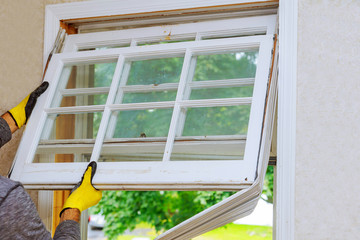
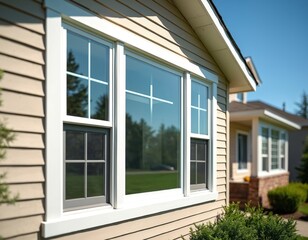
Vinyl windows have become one of the most preferred choices for homeowners in modern construction and renovation projects. Whether you are upgrading an old home or building a new one in Maryland or Virginia, understanding vinyl windows can help you make a smarter, long-term investment.
In this guide, we’ll break down what vinyl window are, how they work, their key features, different types, and why they are widely used in residential properties today.
What Are Vinyl Windows?
Vinyl windows are made primarily from a material called PVC (polyvinyl chloride). This material is strong, weather-resistant, and requires very little maintenance compared to traditional wood or aluminum frames.
The main purpose of vinyl window is to provide:
- Better insulation
- Long-lasting durability
- Energy efficiency
- Low maintenance performance
Unlike older window materials, vinyl does not rot, rust, or peel. That’s why many homeowners in Maryland and Virginia prefer vinyl windows for both new installations and replacements.
How Vinyl Windows Work
To understand how vinyl window function, it helps to look at their structure. A vinyl window is designed with multiple layers that work together to control heat, airflow, and noise.
Key working principle:
These chambers reduce heat transfer by trapping air inside the frame. When combined with double or triple-pane glass, they help maintain indoor temperature more efficiently.
This results in:
- Reduced heat gain in summer
- Reduced heat loss in winter
- Lower energy consumption for heating and cooling
Modern residential projects, including those handled by UD Roofing, often use energy-efficient window systems to improve indoor comfort throughout the year.
Types of Vinyl Windows
Different homes require different styles. Below are the most common vinyl window types used in residential properties:
1. Double-Hung Vinyl Windows
Double-hung windows have two movable sashes that slide vertically. You can open the top, bottom, or both sections for airflow control. They are also easy to clean and maintain.
Best for bedrooms and living rooms with traditional home designs.
2. Sliding Vinyl Windows
Sliding windows move horizontally along a track for smooth operation. They are ideal for wide openings where space is limited. Their design allows more glass area and natural light.
Perfect for modern homes and kitchens.
3. Casement Vinyl Window
Casement windows open outward using a side hinge and crank system. They provide excellent ventilation and a tight seal when closed. This helps improve energy efficiency and indoor comfort.
Ideal for kitchens and bathrooms needing strong airflow.
4. Awning Windows
Awning windows are hinged at the top and open outward from the bottom. They allow airflow even during light rain without letting water inside. Their design is compact and practical.
Commonly used in bathrooms and basements.
5. Picture Windows
Picture windows are fixed and do not open, offering clear outdoor views. They allow maximum natural light into the room. Their sealed design improves insulation and energy performance.
Best for living rooms and scenic areas.
Features of Vinyl Windows
Vinyl window are known for combining practicality with performance. Below are some key features that make them a top choice for homeowners.
Energy Efficiency
One of the biggest advantages of vinyl window is energy performance. Multi-chamber frames and insulated glass help reduce energy loss, making homes more efficient.
Low Maintenance
Unlike wood, vinyl does not need painting or sealing. A simple cleaning routine is enough to keep them in good condition.
Durability
Vinyl is resistant to moisture, corrosion, and harsh weather conditions. This makes it especially useful for climates like Maryland and Virginia, where weather can change quickly.
Noise Reduction
Modern vinyl window systems help reduce outside noise, making indoor spaces more peaceful.
Design Flexibility
Vinyl windows are available in various styles, colors, and finishes, allowing homeowners to match them with modern or traditional home designs.
Comparison of Vinyl Windows Types
Here’s a simple table to help you understand how different vinyl window types compare:
| Window Type | Best For | Ventilation | Maintenance | Appearance Style |
|---|---|---|---|---|
| Double-Hung | Bedrooms, Living rooms | Medium | Easy | Traditional |
| Sliding | Wide wall openings | Good | Easy | Modern |
| Casement | Kitchens, Bathrooms | Excellent | Easy | Clean & sleek |
| Awning | Small spaces | Good | Easy | Functional |
| Picture | Scenic views | None | Very Easy | Minimal |
Benefits of Vinyl Windows for Homeowners
Choosing vinyl window is not just about looks — it’s about long-term value and comfort.
1. Better Energy Control
Vinyl windows help maintain indoor temperature, reducing dependency on HVAC systems.
2. Cost-Effective Long-Term Solution
Even though the upfront investment may vary, vinyl windows save money over time due to lower maintenance and energy bills.
3. Weather Resistance
Homes in Maryland and Virginia experience seasonal changes. Vinyl windows perform well in both hot summers and cold winters.
4. Increased Home Value
Upgrading to modern vinyl windows improves curb appeal and can increase property value.
5. Eco-Friendly Choice
Because they improve energy efficiency, vinyl windows help reduce overall energy consumption.
Vinyl Window vs Other Window Materials
Homeowners often compare vinyl with wood or aluminum windows before making a decision.
- Wood windows look traditional but require high maintenance
- Aluminum windows are strong but less energy efficient
- Vinyl windows balance durability, insulation, and affordability
This balance is the main reason vinyl windows have become the preferred choice for modern homes.
Installation and Performance
Proper installation plays a major role in how vinyl windows perform over time. Poor installation can lead to air leaks, moisture issues, and reduced energy efficiency.
Professional installation ensures:
- Tight sealing
- Proper alignment
- Long-term durability
Companies like UD Roofing in Maryland and Virginia provide professional window services, ensuring proper installation and quality workmanship to maximize the performance and efficiency of window systems.
Maintenance Tips for Vinyl Windows
One of the biggest advantages of vinyl window is easy maintenance. Here are simple tips:
- Clean with mild soap and water
- Avoid harsh chemicals
- Check seals once a year
- Lubricate moving parts if needed
- Remove dust from tracks regularly
With minimal effort, vinyl windows can last for decades.
Final Thoughts
Vinyl windows have become a reliable solution for homeowners looking for durability, energy efficiency, and modern design. From different styles like double-hung and casement to advanced insulation features, they offer a complete package for residential properties.
For homeowners in Maryland and Virginia, choosing high-quality vinyl windows can improve comfort, reduce energy usage, and enhance overall property value.
If you’re planning a window upgrade, understanding vinyl window types, features, and how they work is the first step toward making a smart investment for your home.
Ready to Transform Your Space?
Contact Us Today!
Get in touch with our team today for trusted service.




Trusted by 50+ businesses across Maryland & Virginia.