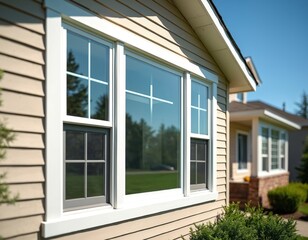
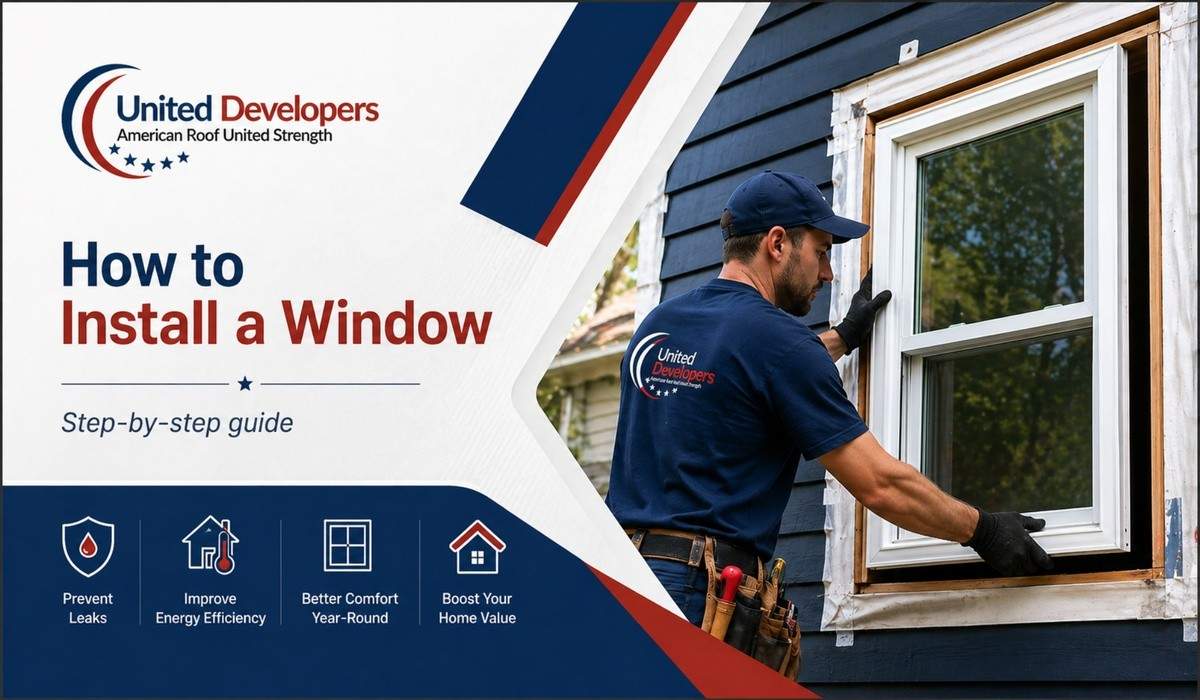
Window replacement means removing old, damaged, drafty, or poorly sealed windows and installing new ones that improve home comfort, weather protection, energy performance, and curb appeal. For homeowners in Maryland and Virginia, the right windows can help protect your home through humidity, rain, storms, heat, and winter drafts.
Your windows are part of your home’s exterior protection system. When they stop sealing correctly, the issue is not always limited to the glass. Weak frames, damaged trim, failed seals, and poor installation can affect comfort, siding, insulation, and nearby interior walls.
What Is Window Replacement?
Window replacement is the process of removing an existing window and installing a new window in the same opening. A contractor may also inspect the frame, trim, flashing, sealant, insulation, and surrounding exterior materials.
A good replacement project is not only about making the window look new. It should help the window open and close properly, reduce drafts, keep moisture out, and match the style of the home.
Older windows can slowly lose performance because of weather exposure, moisture, aging seals, and regular use. When that happens, replacement may be the better long-term option.
Clear Signs You May Need Window Replacement
Some window problems are easy to notice, while others slowly affect comfort, insulation, and protection. If several signs appear together, it may be time to speak with a professional window contractor.
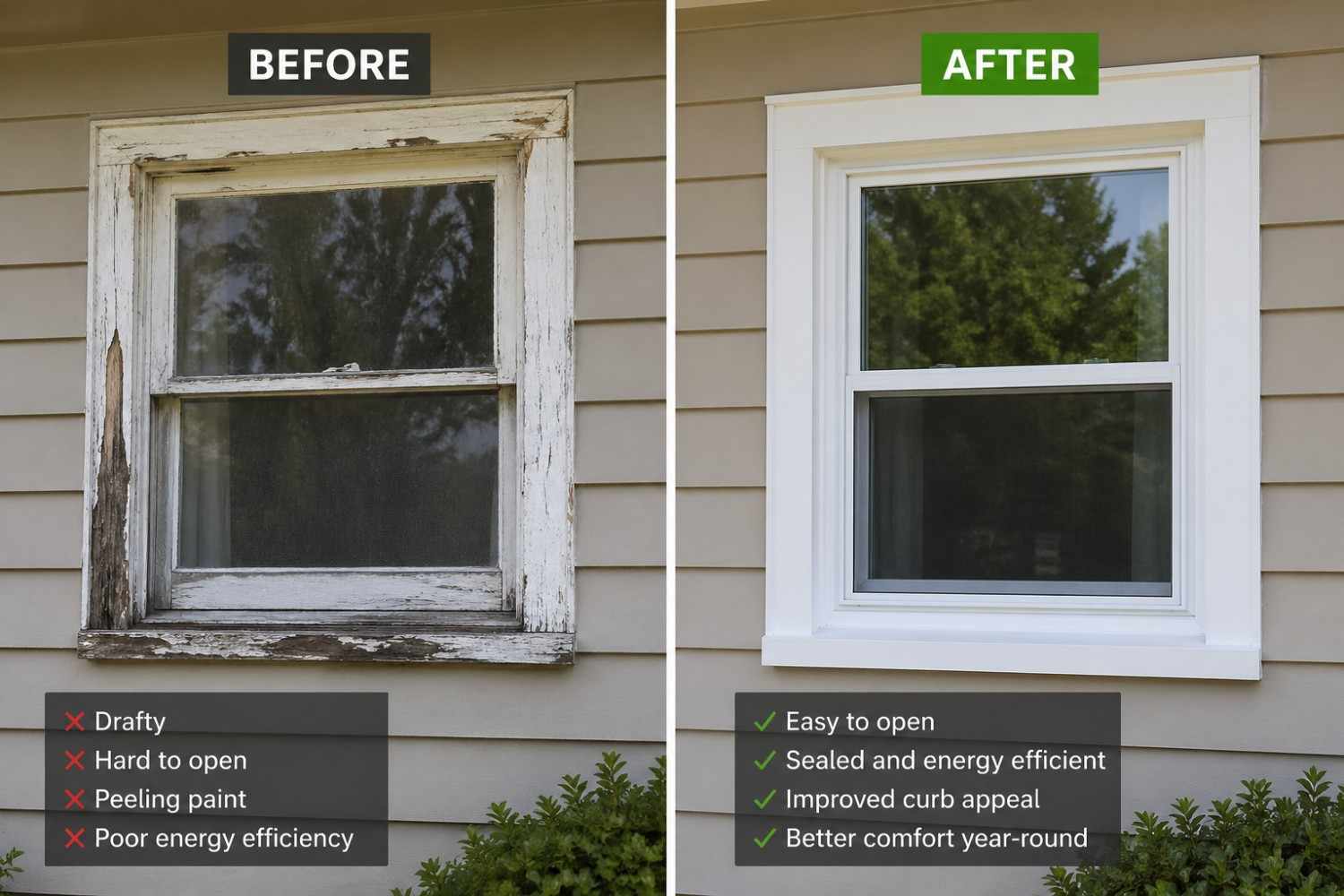
You may need window replacement if you notice:
- Drafts or air leaks
- Fog or moisture between panes
- Cracked, chipped, or loose glass
- Windows that stick or jam
- Soft, rotten, or warped frames
- Water stains around the window
- More outdoor noise inside
- Rooms that feel too hot or cold
Window Replacement vs Window Repair
Repair can work for small, isolated problems. Replacement is usually better when the window has repeated issues, seal failure, frame damage, or poor overall performance.
| Window Issue | Repair May Work | Replacement May Be Better |
|---|---|---|
| Loose handle or lock | Hardware is the only problem | Window does not close securely |
| Minor sticking | Cleaning or adjustment fixes it | Frame is warped or swollen |
| Small draft | New sealing solves it | Air leaks keep returning |
| Surface condensation | Moisture is outside the glass | Fog is trapped between panes |
| Minor trim damage | Frame is still solid | Frame is soft, rotten, or cracked |
| Cracked glass | Damage is isolated | Glass, seal, and frame are failing |
A professional window contractor can inspect the full opening, not just the glass, before recommending the right solution.
Why Window Replacement Matters for Local Homes
Homes in Maryland and Virginia can face humid summers, cold winters, rain, wind, and seasonal storms. These conditions can expose weak windows quickly, especially if the seals, trim, or frame are already worn.
Poorly sealed windows may allow air and moisture to move around the opening. Over time, this can affect the window frame, nearby drywall, insulation, siding edges, or interior trim.
Good replacement windows can help improve comfort, reduce unwanted air movement, and protect the home from moisture around vulnerable openings. They also improve curb appeal when they match your siding, roofing, trim, and exterior design.
The Window Replacement Process
A proper window replacement project should be organized and easy for the homeowner to understand. The process usually starts with inspection and ends with a final check after installation.
1. Window and Exterior Inspection
The contractor checks the glass, frame, trim, seals, sill, and nearby exterior areas. They may also look for moisture stains, loose caulking, damaged siding, or signs of water entry.
This step is important because the visible window problem may be connected to a larger exterior issue.
2. Accurate Measurement
Correct measurement is critical. A window that is too loose, too tight, or misaligned can lead to drafts, leaks, and difficult operation.
Professional measurement helps the replacement window fit properly and perform better after installation.
3. Choosing the Right Window
The homeowner selects the style, material, glass type, and features. This choice should fit the room, home design, and local weather conditions.
A contractor can help compare options based on durability, appearance, ventilation, and maintenance needs.
4. Installation and Final Check
The old window is removed carefully. The opening is prepared, and the replacement window is installed, aligned, sealed, and insulated.
After installation, the contractor should test the window, check the seal, clean the area, and review the finished result.
Best Window Replacement Options
The best replacement window depends on your home’s style, maintenance needs, and performance goals. Different materials and glass types offer different benefits.
Vinyl windows
Vinyl windows are a popular low-maintenance option for many homeowners. They resist moisture, do not need painting, and can work well in different rooms throughout the home.
Fiberglass windows
Fiberglass windows are known for strength and durability. They handle temperature changes well, making them a good choice for homeowners who want long-term performance with less maintenance.
Wood windows
Wood windows offer a classic and natural appearance that suits traditional home designs. They can add warmth and character, but they usually need more care than vinyl or fiberglass options.
Double-pane windows
Double-pane windows have two layers of glass that help support better insulation and indoor comfort. They are useful for reducing drafts and helping rooms feel more stable through seasonal changes.
Energy-efficient glass
Energy-efficient glass helps manage heat, sunlight, and temperature transfer. It can be a smart option for rooms that feel too hot in summer, too cold in winter, or exposed to strong sunlight.
Popular Window Styles
Different window styles offer different benefits. Some improve airflow, while others improve natural light, outdoor views, or curb appeal.
- Bay and bow windows: Bay and bow windows can add character, depth, and curb appeal to a home. They can also make a room feel larger and more visually interesting.
- Double-hung windows: Double-hung windows are common in bedrooms, living rooms, and traditional homes. They are practical, familiar, and easy for many homeowners to use.
- Casement windows: Casement windows open outward and offer strong ventilation. They can work well in rooms where airflow is important, such as kitchens, bedrooms, or living areas.
- Sliding windows: Sliding windows are easy to use and work well for wider openings. They are a simple option for homeowners who want smooth operation and a clean look.
- Picture windows: Picture windows are best for natural light and outdoor views. They do not open, but they can make a room feel brighter and more open.
How to Choose the Right Replacement Windows
The right window should match the room, the home exterior, and the way you use the space. A bathroom window may need privacy and moisture resistance. A living room may need more light. A bedroom may need easy operation and ventilation.
| What to Check | Why It Matters |
| Frame material | Affects durability and maintenance |
| Glass type | Supports comfort and insulation |
| Window style | Impacts ventilation and appearance |
| Seal quality | Helps reduce drafts and moisture |
| Exterior match | Keeps the home looking consistent |
| Installer experience | Affects long-term performance |
Do not choose windows only by appearance. A window can look good but still perform poorly if the material, glass, or installation is not right for the home.
Why Professional Window Installation Matters
Even a quality window can fail if it is installed poorly. Bad installation can leave gaps, weak seals, water entry points, and operation problems.
A professional window contractor understands how windows connect with siding, trim, insulation, flashing, and exterior protection. These details matter because windows are part of the larger home exterior system.
Before replacing a window, the contractor should check the surrounding frame, trim, sealant, and moisture signs. This helps avoid covering up a deeper problem that may return later.
Window Replacement Mistakes to Avoid
Before starting a project, avoid these common mistakes:
- Ignoring moisture stains around the window
- Choosing windows only because they look attractive
- Skipping a frame and trim inspection
- Using poor measurements
- Overlooking energy-efficient glass options
- Hiring an inexperienced installer
- Waiting too long after drafts or fogging appear
Window replacement should improve comfort, protection, and long-term performance. Taking time to inspect the full window area helps homeowners make a better decision.
When Should You Call a Window Contractor?
You should call a window contractor when your windows are drafty, foggy, cracked, hard to open, or showing frame damage. You should also schedule an inspection if you notice water stains, swollen trim, or rooms that feel uncomfortable near the windows.
A professional inspection can help determine whether your window issue is simple or connected to a larger exterior problem. UD Roofing / United Developers can help review your windows and recommend the right next step.
Is window replacement better than window repair?
Repair may work for minor hardware or sealing issues. Replacement may be better when the glass seal, frame, or overall window performance has failed.
What replacement windows are best for homes?
Vinyl, fiberglass, wood, double-pane, and energy-efficient windows are common options. The best choice depends on the home style, room needs, and maintenance preference.
Why is professional installation important?
Professional installation helps with accurate measurement, sealing, insulation, water protection, and smooth window operation.
When should I call a window contractor?
You should call a window contractor when you notice drafts, foggy glass, frame damage, water stains, or windows that no longer open and close properly.
Final Thoughts
Window replacement is about more than updating the look of your home. It helps protect against drafts, moisture, poor comfort, and long-term exterior damage.
If your windows show signs of air leaks, foggy glass, cracked frames, or water damage, it may be time to speak with a professional. The right contractor can help you choose replacement windows that fit your home, local weather, and long-term comfort needs.
Ready to Transform Your Space?
Contact Us Today!
Get in touch with our team today for trusted service.




Trusted by 50+ businesses across Maryland & Virginia.