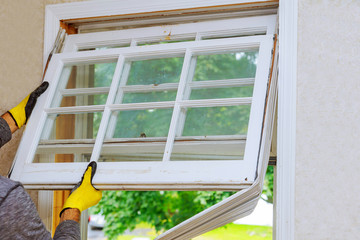
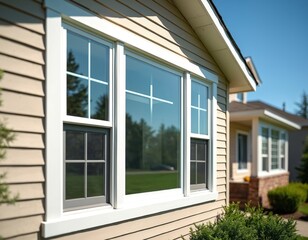
Windows usually last 15 to 30 years, but the exact lifespan depends on the material, installation quality, maintenance, and local weather. If you are wondering how long do windows last, the answer is different for vinyl, wood, aluminum, fiberglass, double-pane, and wood-clad windows.
For homeowners in Maryland and Virginia, humidity, rain, winter cold, and summer heat can slowly affect window frames, glass seals, and exterior caulking.
This guide explains the average lifespan of windows by type, common signs you need new windows, and when repair or replacement makes more sense.
Quick Answer: How Long Do Windows Last?
Most residential windows last 15 to 30 years.
- Vinyl windows: 20 to 30 years
- Wood windows: 15 to 30+ years
- Aluminum windows: 15 to 25 years
- Fiberglass windows: 30 to 40 years
- Double-pane windows: 15 to 25 years
- Wood-clad windows: 20 to 30 years
Poor installation, failed seals, water intrusion, and lack of maintenance can shorten the average lifespan of windows.
Average Window Lifespan by Window Type
Different window types age in different ways. Some materials are better for low maintenance. Some offer better insulation. Some cost more upfront but last longer.
| Window Type | Average Lifespan | Best For | Common Issues |
|---|---|---|---|
| Vinyl Windows | 20 to 30 years | Affordable replacement windows | Warping, fading, seal failure |
| Wood Windows | 15 to 30+ years | Classic homes and insulation | Rot, peeling paint, moisture damage |
| Aluminum Windows | 15 to 25 years | Strength and slim frames | Condensation, corrosion, heat transfer |
| Fiberglass Windows | 30 to 40 years | Long-term durability | Higher upfront cost |
| Double-Pane Windows | 15 to 25 years | Energy-efficient windows | Foggy glass, failed seals |
| Wood-Clad Windows | 20 to 30 years | Wood look with exterior protection | Hidden moisture, cladding issues |
So, how long do windows last by material? Vinyl and fiberglass usually offer the strongest long-term value, while wood windows can last for decades when they are properly sealed, painted, and protected from moisture.
1. Vinyl Windows
Vinyl is one of the most popular choices for home window replacement because it is affordable, energy efficient, and easy to maintain. It does not rot like wood and does not need regular painting.
Vinyl windows work well for many Maryland and Virginia homes, especially in areas with humidity and seasonal weather changes. The main issues to watch for are frame warping, fading, drafts, seal failure, and fog between panes.
2. Wood Windows
Wood windows offer a classic look and strong insulation, but they need more maintenance than vinyl, aluminum, or fiberglass. With proper care, they can last for decades.
The biggest risk is moisture. If paint or sealant breaks down, water can enter the frame and cause rot, swelling, insect damage, or soft spots around the window trim.
3. Aluminum Windows
Aluminum windows are strong, lightweight, and often used when homeowners want slim frames or a modern appearance. They can perform well, but they are not always the best option for energy efficiency.
Aluminum transfers heat and cold more easily than other window materials. Over time, homeowners may notice condensation, worn seals, loose hardware, corrosion, or drafts near the frame.
4. Fiberglass Windows
Fiberglass is one of the longest-lasting window materials. It is strong, stable, and resistant to warping, which helps protect the frame and seals over time.
Fiberglass replacement windows usually cost more upfront, but they offer strong long-term value. They are a good option for homeowners who want durability, low maintenance, and better energy performance.
5. Double-Pane Windows
Double-pane windows are designed with two panes of glass and a sealed space between them. This helps improve insulation, reduce outside noise, and support indoor comfort.
The most common problem is insulated glass seal failure. When the seal fails, moisture can enter between the panes and cause foggy glass, cloudy spots, condensation, and reduced energy performance.
6. Wood-Clad Windows
Wood-clad windows have a wood interior and a protective exterior layer, often made from aluminum, vinyl, or fiberglass. They give homeowners the look of wood with better exterior protection.
The main concern is hidden moisture. If water gets behind the cladding, damage may not show right away. Over time, this can lead to rot, seal failure, or frame damage.
How Long Do Replacement Windows Last?
Replacement windows usually last 15 to 30 years, depending on the material, installation quality, and maintenance. High-quality vinyl and fiberglass replacement windows often last longer when installed correctly.
The installation matters as much as the window itself. Poor sealing, weak flashing, or gaps around the frame can lead to air leakage, water intrusion, foggy glass, and early performance issues.
If you are replacing old windows, choose materials that match your home’s climate, maintenance needs, and energy-efficiency goals.
Key Factors That Affect Window Lifespan
Improved Key Factors Opening
When homeowners ask how long do windows last, the answer is not only about the window material. Installation quality, Maryland and Virginia weather, regular maintenance, glass seal condition, and frame damage all affect how long your windows continue to perform well.
1. Installation Quality
Poor installation can shorten window lifespan, even when the window itself is high quality. Weak flashing, bad caulking, gaps around the frame, and poor alignment can lead to drafts, leaks, and early damage.
2. Maryland and Virginia Climate
Windows in Maryland and Virginia face humidity, rain, summer heat, winter cold, and seasonal temperature changes. These conditions can slowly affect seals, exterior caulking, frames, and insulated glass units.
3. Regular Maintenance
Regular maintenance helps windows last longer. Checking caulking, weatherstripping, tracks, locks, peeling paint, water stains, and fog between panes can help catch problems early.
4. Glass and Seal Quality
Modern windows use insulated glass units, Low-E glass, and seal systems to improve comfort and energy efficiency. When seals fail, fog, condensation, and energy loss often follow.
5. Frame Condition
A window is only as strong as the frame around it. If windows stick, leak air, or stop locking properly, the issue may involve frame movement, moisture damage, or worn exterior trim.
Signs You Need New Windows
Knowing how long do windows last is helpful, but warning signs matter more. A window may still be within its expected lifespan and still need replacement if it is drafty, foggy, leaking, or difficult to operate.
1. Drafts and Air Leaks
If you feel air around a closed window, the seal may be failing. Drafty windows reduce comfort and make your heating and cooling system work harder.
2. Rising Energy Bills
Old windows can increase energy costs by allowing heat to escape in winter and enter in summer. This is common with single-pane windows, failed seals, and poorly sealed frames.
3. Condensation Between Glass Panes
Condensation between panes is a strong sign of insulated glass seal failure. This moisture cannot be wiped away from inside or outside.
4. Difficulty Opening or Closing
Windows should open, close, and lock smoothly. If they stick, jam, or refuse to stay open, the frame may be warped, swollen, or damaged.
5. Water Damage or Rot
Water damage should never be ignored. Peeling paint, soft wood, dark stains, mold, swelling, or discoloration around the frame can point to moisture intrusion.
6. Outside Noise Feels Louder
Modern windows help reduce outdoor noise. If traffic, wind, or neighborhood sounds seem louder than before, your windows may not be sealing properly.
Should You Repair or Replace Old Windows?
Not every window problem requires full replacement. Sometimes repair is enough. Other times, replacement is the smarter long-term choice.
When Window Repair Makes Sense
Repair may work if the window frame is still strong and the issue is small.
Repair may be enough for:
- Worn caulking
- Damaged weatherstripping
- Loose hardware
- Broken screens
- Minor glass damage
- Small air leaks
- Track cleaning or adjustment
If the window still seals well and has no serious frame damage, repair can be a practical option.
When Window Replacement Is Better
Replacement is usually better when the window has major performance problems.
Consider replacement if you notice:
- Failed glass seals
- Rotting frames
- Water leaks
- Major drafts
- Repeated repairs
- Poor energy efficiency
- Broken locks
- Fog between panes
- Outdated single-pane glass
If the same window keeps causing problems, replacement may save more money over time.
Window Replacement in Maryland and Virginia
Homeowners searching for window replacement in Maryland or window replacement in Virginia should look beyond age alone. Drafts, foggy glass, worn caulking, water stains, and damaged frames can all point to deeper performance issues.
Before replacing windows, inspect the area around the frame, including trim, flashing, siding edges, and possible water entry points. UD Roofing helps homeowners review these exterior signs and decide whether the issue needs repair or full replacement.
Why Replacing Old Windows Can Be Worth It
Replacing old windows can improve comfort, energy efficiency, and long-term home performance. It can also reduce maintenance problems when older frames, seals, or hardware keep failing.
Key benefits include:
- Better indoor comfort
- Lower air leakage
- Improved energy efficiency
- Reduced drafts
- Better curb appeal
- Stronger locks and security
- Less maintenance
- Better protection from moisture
New energy-efficient windows can also help reduce strain on your heating and cooling system, especially when old windows are drafty or poorly sealed.
Final Thoughts
So, how long do windows last in most homes? The average range is useful, but your window’s real condition depends on performance, not age alone.
If they are drafty, foggy, leaking, difficult to open, or causing higher energy bills, it may be time to consider replacement. This is especially important for older homes in Maryland and Virginia, where humidity, rain, cold, heat, and storm exposure can speed up wear around seals, frames, caulking, and flashing.
A regular window inspection can help you catch problems early and protect your home’s comfort, efficiency, and long-term value.
FAQs
How long do windows last in most homes?
Most windows last around 15 to 30 years, but performance matters more than age. Drafts, leaks, foggy glass, and damaged frames are signs that your windows may be reaching the end of their lifespan.
What is the average lifespan of windows?
The average lifespan of windows depends on the material. Vinyl and wood windows commonly last for decades, while fiberglass windows often last the longest when installed and maintained properly.
How long do replacement windows last?
Replacement windows usually last 15 to 30 years. Their lifespan depends on the material, installation quality, weather exposure, and maintenance.
What type of window lasts the longest?
Fiberglass windows usually last the longest because they resist warping, moisture, and seasonal frame movement better than many other materials.
How do I know if I need new windows?
You may need new windows if you notice drafts, fog between panes, water leaks, higher energy bills, rotting frames, or windows that are hard to open and close.
Should I repair or replace old windows?
Repair is best for small issues like worn caulk, damaged hardware, or minor drafts. Replacement is better for failed seals, rotting frames, leaks, repeated repairs, and poor energy efficiency.
Ready to Transform Your Space?
Contact Us Today!
Get in touch with our team today for trusted service.




Trusted by 50+ businesses across Maryland & Virginia.