Your roof is one of the most important parts of your home, but many homeowners do not think about it until signs of damage start to appear. A common question property owners ask is: how long does a roof last? The answer depends on several factors, including the roofing material, installation quality, weather exposure, ventilation, and long-term maintenance.
Understanding the expected lifespan of different roofing materials helps homeowners plan ahead, protect their investment, and make better decisions when considering a roof replacement. In areas like Maryland and Virginia, where homes experience heavy rain, humidity, seasonal storms, high winds, and winter weather, roof performance can vary based on the material installed and how well the roofing system is maintained.
In this guide, we explain the average roof lifespan by material, what affects roof longevity, and how to know when it may be time to replace your roof.
Why Roof Lifespan Matters
A roof is not designed to last forever. Even high-quality roofing systems eventually wear down due to age and constant exposure to the elements. Knowing the expected lifespan of your roof helps you:
- plan for future roof replacement
- prevent costly structural damage
- protect your home’s interior from leaks and moisture
- maintain curb appeal and property value
- choose the right material for long-term performance
A roof that is near the end of its service life may still look acceptable from the ground, but hidden deterioration can lead to water intrusion, mold growth, insulation problems, and damage to the roof deck.
How Long Does a Roof Last on Average?
The average lifespan of a roof depends primarily on the type of material used. Some roofing systems are built for long-term durability, while others offer reliable protection for a shorter period.
Here is a general overview of the average roof lifespan by material.
| Roofing Material | Average Lifespan | Common Benefits | Best Known For |
|---|---|---|---|
| Asphalt shingles | 20 to 30 years | Popular, versatile, widely used | Residential homes |
| Architectural shingles | 25 to 30+ years | Better durability and appearance | Enhanced curb appeal |
| Metal roofing | 40 to 70 years | Long-lasting, durable, low maintenance | Long-term performance |
| Flat roofing systems | 15 to 30 years | Suitable for low-slope roofs | Modern and commercial-style structures |
| Slate roofing | 50 to 100 years or more | Extremely durable and premium | Exceptional longevity |
| Wood shingles or shakes | 20 to 30 years | Natural appearance | Traditional home styles |
| Tile roofing | 50 years or more | Strong, weather resistant | Long lifespan and character |
These estimates are general ranges. The actual lifespan of a roof depends on installation quality, attic ventilation, local climate, maintenance history, and material grade.
Asphalt Shingle Roof Lifespan
Asphalt shingles are the most common residential roofing material in the United States. They are widely used because they provide solid performance, attractive design options, and compatibility with many home styles.
A standard asphalt shingle roof typically lasts 20 to 30 years. Higher-quality shingles and better installation practices can help extend that lifespan.
Factors that affect asphalt shingle longevity
- quality of the shingles
- roof slope and drainage
- sun exposure
- attic ventilation
- storm and wind exposure
- routine inspections and maintenance
In Maryland and Virginia, asphalt shingle roofs can perform well, but moisture, humidity, and storm exposure may shorten lifespan if the roof is not properly ventilated and maintained.
Architectural Shingle Roof Lifespan
Architectural shingles, also called dimensional shingles, are a higher-grade version of traditional asphalt shingles. They are thicker, more durable, and often designed to create a more textured, premium look. An architectural shingle roof generally lasts 25 to 30 years or longer depending on the product quality and installation.
Homeowners often choose architectural shingles because they offer:
- improved durability
- stronger wind resistance
- enhanced curb appeal
- better long-term performance than basic 3-tab shingles
For many residential properties, architectural shingles offer a strong balance between appearance, durability, and overall roof lifespan.
Metal Roof Lifespan
When homeowners compare roofing materials, metal roofing is often recognized for its exceptional longevity. A professionally installed metal roof can last 40 to 70 years, and in some cases even longer with proper maintenance.
Metal roofs are designed to resist many of the issues that affect other roofing materials, such as cracking, shrinking, and excessive moisture absorption.
Benefits of metal roofing longevity
- excellent resistance to wind and weather
- low maintenance requirements
- strong performance in rain and snow
- long-term structural durability
- energy-efficient reflective properties
For homeowners in Maryland and Virginia, metal roofs can be an excellent option because they hold up well against changing seasonal conditions and offer long-term peace of mind.
Flat Roof Lifespan
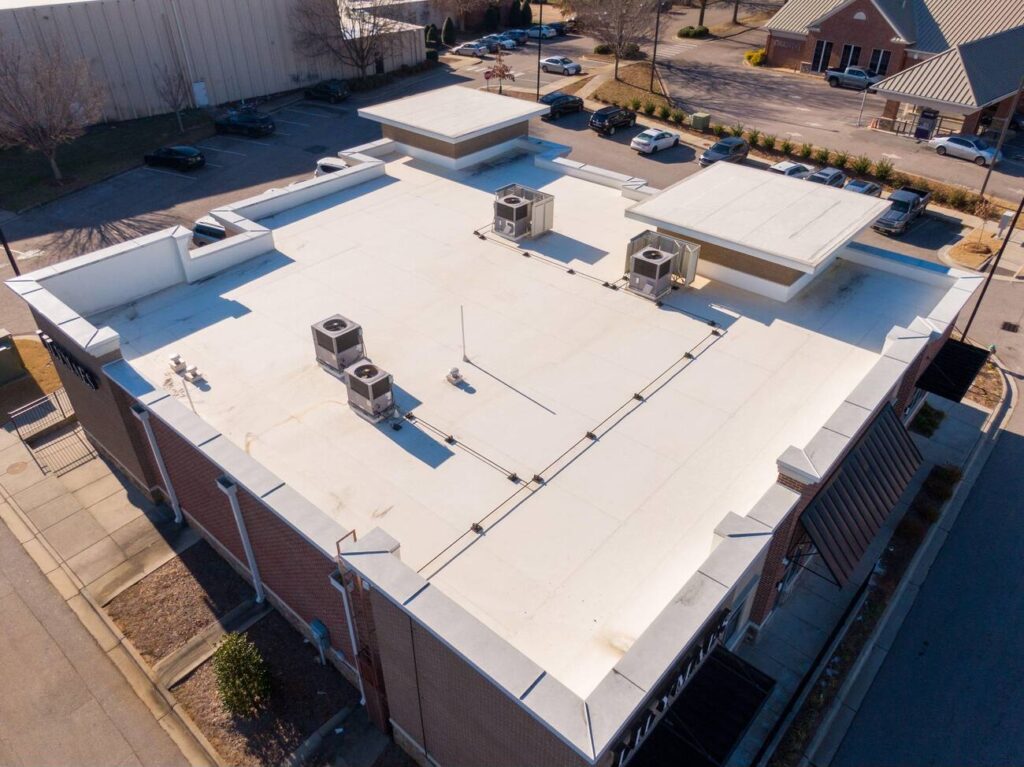
A flat roof or low-slope roofing system is common on certain residential designs, additions, garages, and many commercial buildings. The lifespan of a flat roof varies significantly depending on the material used. Most flat roofing systems last 15 to 30 years.
Common flat roofing materials include:
- modified bitumen
- EPDM roofing
- TPO roofing
- built-up roofing systems
Flat roofs require careful installation and ongoing maintenance because water drains more slowly on low-slope surfaces. If drainage issues are ignored, premature wear can occur.
Proper sealing, flashing, and inspection are especially important for flat roof longevity.
Factors That Affect Roof Lifespan
While roofing material is a major factor in roof durability, several other elements can influence how long a roof lasts.
Installation Quality
Professional roof installation plays a critical role in determining how long a roof will perform effectively. Improper installation can lead to premature damage, leaks, and structural issues.
Experienced roofing contractors ensure that the roofing system is installed correctly with proper flashing, ventilation, and underlayment.
Climate and Weather Conditions
Environmental exposure significantly affects roof longevity. Homes in areas with frequent storms, heavy rainfall, strong winds, or intense sunlight may experience faster roofing wear. For homeowners, roofing systems must be able to withstand a combination of seasonal storms, humidity, and temperature changes.
Selecting the right roofing material helps ensure long-term durability in these conditions.
Roof Ventilation
Proper roof ventilation is essential for maintaining the health of the roofing system. Poor ventilation can trap heat and moisture in the attic, which may cause roofing materials to deteriorate faster.
Effective ventilation helps regulate temperature and prevents moisture buildup that can damage roofing structures.
Maintenance and Roof Inspections
Routine roof maintenance can significantly extend the lifespan of your roof. Regular inspections allow homeowners to identify minor issues before they develop into major problems.
Common maintenance tasks include:
- Inspecting shingles for damage
- Checking flashing and seals
- Removing debris from roof surfaces
- Ensuring gutters are functioning properly
Professional roofing inspections can help maintain roof performance over time.
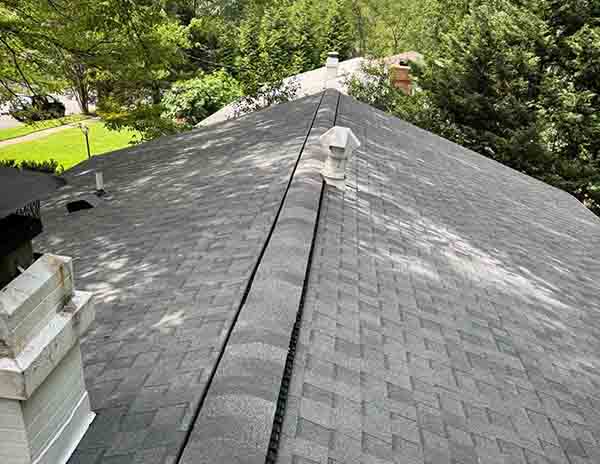
Signs Your Roof May Need Replacement
Even the most durable roofing systems eventually reach the end of their lifespan. Homeowners should be aware of common signs that indicate a roof may require replacement.
Some of the most common indicators include:
- Missing or damaged shingles
- Curling or cracked roofing materials
- Water stains on ceilings or walls
- Sagging roof structure
- Frequent roof leaks
If these issues appear, it may be time to consult a professional roofing contractor for a full roof evaluation.
Roof Lifespan Comparison: Which Material Lasts the Longest?
Homeowners often want to know which roofing material offers the best lifespan. Here is a simple breakdown.
Best for long-term durability
- metal roofing
- slate roofing
- tile roofing
Best for traditional residential use
- asphalt shingles
- architectural shingles
Best for low-slope applications
- TPO roofing
- EPDM roofing
- modified bitumen systems
Each material has strengths, and the best choice depends on your home, climate, structural design, and long-term goals.
How to Extend the Life of Your Roof
Homeowners can take several steps to help maximize roof lifespan.
- Schedule regular inspections: Professional roof inspections can identify wear, loose materials, drainage issues, and flashing problems before they worsen.
- Keep gutters clean: Clogged gutters can cause water backup, which may damage roofing materials and fascia.
- Address small problems early: Minor issues like a few damaged shingles or loose flashing can become much larger if ignored.
- Maintain attic ventilation: Balanced airflow helps reduce heat and moisture buildup that can damage roofing components.
- Choose professional installation: Hiring an experienced roofing contractor is one of the most important decisions you can make for roof performance and long-term durability.
How often should a roof be inspected?
Most roofing experts recommend inspecting your roof at least once a year and after major storms.
Can a roof last longer than its expected lifespan?
Yes. Proper installation, good attic ventilation, and regular maintenance can help extend the lifespan of many roofing materials.
Does weather affect how long a roof lasts?
Yes. Heavy rain, strong winds, humidity, snow, and temperature changes can all affect roof lifespan. Homes in Maryland and Virginia need roofing materials that can handle seasonal weather conditions.
Is it better to replace a roof before it starts leaking?
Yes. Replacing a roof before major leaks develop can help prevent water damage, mold growth, insulation problems, and structural issues inside the home.
Final Thoughts
So, how long does a roof last? The answer depends on the material, the quality of installation, and how well the roofing system is maintained over time.
In general:
- asphalt shingles last about 20 to 30 years
- architectural shingles last about 25 to 30+ years
- metal roofs last about 40 to 70 years
- flat roofs last about 15 to 30 years
- slate and tile roofs can last 50 years or more
A roof is a long-term investment in the protection, safety, and value of your home. Understanding the expected lifespan of roofing materials helps homeowners make informed decisions and prepare for future roofing needs with confidence.
For homeowners in Maryland and Virginia, working with an experienced roofing contractor is essential to ensure your roofing system is designed and installed to perform well in the local climate for years to come.
READY TO TRANSFORM YOUR SPACE?
Discover top-rated construction, remodeling, and renovation services tailored to your needs.



Trusted by 50+ businesses across Maryland & Virginia.