Severe storms can cause significant damage to residential roofing systems. High winds, heavy rain, hail, and falling debris can weaken roofing materials and expose your home to further structural problems. For homeowners, understanding how to respond to roof storm damage is essential for protecting the safety of the property and preventing long-term issues.
Many homeowners only notice roof damage when a leak appears inside the home. However, storm damage can occur in several ways that are not always immediately visible. Knowing what to check after a storm and when to consult a professional roofing contractor can help prevent serious structural damage.
This guide explains what homeowners should do after a storm hits their roof, how to identify common storm damage to roof structures, and when a roof replacement may be necessary.
How Storms Cause Roof Damage
Storms can impact roofs in different ways depending on the severity of the weather and the condition of the roofing system. Strong winds, hail, and heavy rainfall are some of the most common causes of roof damage after a storm.
Wind can lift or loosen shingles, exposing the underlayment and roof deck. Once the protective outer layer is compromised, moisture can enter the roofing system. Over time, this can lead to leaks, structural weakening, or mold growth.
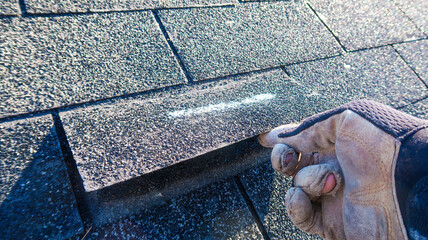
Hail can also damage roofing materials by cracking shingles or removing protective granules. Even if damage appears minor at first, repeated storms can accelerate wear and shorten the lifespan of the roof.
Understanding how storms affect roofing systems helps homeowners recognize the early signs of severe weather roof damage.
Common Signs of Roof Storm Damage
After a major storm, it is important to visually inspect your home for potential roof damage. While some issues are obvious, others require careful observation.
Missing or Loose Shingles
One of the most common signs of storm damaged roof shingles is missing or loose shingles. High winds can lift shingles from the roof surface, leaving vulnerable areas exposed.
If shingles are missing or displaced, water can enter the roofing system and damage the structure beneath.
Shingle Granule Loss
Asphalt shingles are coated with protective granules that shield the roof from UV rays and environmental exposure. Hail and strong winds can knock these granules loose.
If you notice granules collecting in gutters or downspouts after a storm, this may indicate hail damage roof issues.
Debris on the Roof
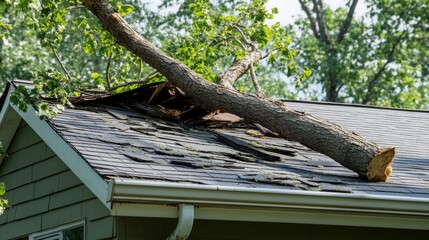
Storms can blow branches, leaves, or other debris onto the roof. Heavy debris can damage shingles, dent metal roofing panels, or block drainage systems. Even small branches can scrape roofing surfaces and weaken the material over time.
Water Stains Inside the Home
One of the most concerning signs of roof storm damage is water entering the home. If you notice stains on ceilings or walls after a storm, it may indicate that water has penetrated the roofing system. Water intrusion should be addressed quickly because it can lead to mold growth and structural deterioration.
Damaged Flashing or Roof Components
Flashing protects areas where the roof meets chimneys, vents, and skylights. Storm winds can loosen or bend flashing, allowing water to enter the roof structure. Checking these areas after a storm helps identify potential vulnerabilities in the roofing system.
What to Do Immediately After a Storm
When a severe storm passes through your area, taking the right steps can help prevent further damage to your home.
Conduct a Visual Inspection
Start by examining your property from the ground. Look for obvious signs of storm damage to roof structures, such as missing shingles, fallen branches, or visible debris.
Avoid climbing onto the roof yourself, especially if the structure may be unstable.
Check Gutters and Drainage Systems
Storm debris often accumulates in gutters and downspouts. Blocked drainage systems can cause water to pool on the roof, increasing the risk of moisture damage.
Clearing debris helps maintain proper drainage and protects the roofing system.
Document Visible Damage
If you notice potential storm damage, take photos of affected areas. Documentation can be helpful when discussing the condition of the roof with a professional contractor.
Images provide a clear record of the damage and help roofing specialists evaluate the situation.
Schedule a Professional Roof Inspection
A professional inspection is the most reliable way to assess the extent of roof storm damage. Experienced roofing contractors can identify issues that may not be visible from the ground.
A thorough inspection evaluates the condition of shingles, flashing, underlayment, and other structural components of the roofing system.
Why Roof Inspections Are Important After Severe Weather
Storm damage is not always obvious. Some roofing issues develop gradually and may not become visible until months later. A professional roof inspection helps detect hidden damage and ensures that the roof remains structurally sound.
During an inspection, roofing specialists typically examine:
- Roofing shingles and surface materials
- Flashing around vents and chimneys
- Roof ventilation systems
- Gutters and drainage pathways
- Structural integrity of the roof deck
Early detection allows homeowners to make informed decisions about the condition of their roof.
When Storm Damage Leads to Roof Replacement
In some cases, storm damage can compromise large sections of the roofing system. When the structural integrity of the roof is affected, replacement may be the most reliable solution.
A roof replacement after storm damage may be recommended if the roofing materials have been severely weakened or if multiple areas of the roof are damaged.
Replacing a damaged roof provides several long-term benefits:
- Restores structural protection for the home
- Improves resistance to future storms
- Enhances overall property value
- Provides updated roofing materials designed for durability
A new roofing system can offer stronger protection against extreme weather conditions.
Preventing Future Storm Damage
While storms cannot be avoided, homeowners can take steps to improve the durability of their roofing system.
Regular Roof Inspections
Scheduling periodic roof inspections allows contractors to identify small issues before they become serious problems. Routine maintenance helps maintain the integrity of the roof over time.
Maintain Gutters and Drainage
Keeping gutters clean ensures proper water flow during heavy rain. Proper drainage prevents water buildup that could damage roofing materials.
Trim Nearby Trees
Overhanging branches can break during storms and fall onto the roof. Trimming trees near the house reduces the risk of debris damage.
Invest in Durable Roofing Materials
Modern roofing materials are designed to withstand extreme weather conditions. Upgrading to stronger roofing systems can provide improved protection against wind and hail.
Professional Roofing Services for Storm Damage
After a severe storm, consulting an experienced roofing contractor is one of the most important steps homeowners can take. Professional roofing specialists understand how storms affect roofing systems and can evaluate whether the roof requires replacement.
UD Roofing provides professional roofing solutions designed to protect homes from severe weather conditions. Our team focuses on high-quality roof installation and roof replacement services using durable materials that improve long-term performance.
Homeowners in Maryland and Virginia often experience unpredictable storms that can affect roofing structures. Working with experienced roofing professionals ensures that your home remains protected and structurally sound.
Protecting Your Home After a Storm
Storms can cause unexpected damage to residential roofs, but taking the right steps after severe weather can help prevent further problems. Identifying signs of roof storm damage, scheduling professional inspections, and addressing structural issues early are essential for maintaining the safety of your home.
A strong roofing system is the first line of defense against severe weather. By understanding how storms affect roofs and knowing when to seek professional help, homeowners can protect their property and maintain the long-term durability of their roofing system.
If your home has recently experienced a severe storm, evaluating the condition of your roof can help ensure that it continues to provide reliable protection for years to come.
READY TO TRANSFORM YOUR SPACE?
Discover top-rated construction, remodeling, and renovation services tailored to your needs.



Trusted by 50+ businesses across Maryland & Virginia.