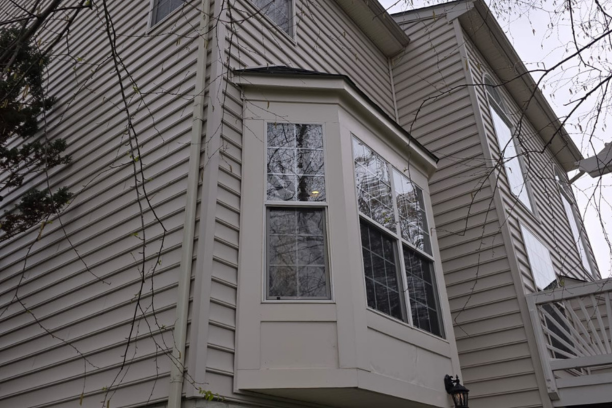
Choosing the right exterior siding is one of the most important decisions a homeowner can make. Your siding not only defines your home’s appearance but also plays a critical role in protecting it from weather, moisture, and long-term structural damage.
Among today’s most popular options, Engineered Wood Siding stands out for its ability to combine the natural look of wood with enhanced durability and performance. For homeowners looking to upgrade their exterior without the challenges of traditional wood, this material offers a practical and modern solution.
This complete guide will help you understand everything about Engineered Wood Siding, including its benefits, limitations, styles, and whether it’s the right fit for your home.
What Is Engineered Wood Siding?
Engineered Wood Siding is a manufactured siding product made from wood strands or fibers that are bonded together using resins and treated with protective coatings. This process creates a strong, stable material designed to withstand environmental stress better than natural wood.
Unlike traditional wood siding, engineered wood is specifically designed to:
- Resist moisture infiltration
- Minimize expansion and contraction
- Reduce the risk of rot, fungal growth, and pest damage
The result is a siding product that delivers the appearance of real wood with improved structural performance.
Why Engineered Wood Siding Is Gaining Popularity
Modern homeowners are increasingly looking for siding solutions that balance aesthetics, durability, and maintenance requirements. Engineered wood siding meets these expectations by offering:
- A realistic wood-grain finish
- Consistent performance in varying weather conditions
- Versatility in design and installation
- A more stable alternative to natural wood
In regions like Maryland and Virginia, where homes experience humidity, seasonal temperature changes, and occasional storms, engineered wood siding provides dependable protection while maintaining curb appeal.
Key Benefits of Engineered Wood Siding
1. Authentic Wood Appearance
Engineered wood siding is designed to replicate the texture and depth of real wood. It delivers a clean, high-end finish that enhances the overall look of your home.
2. Enhanced Durability
Through advanced manufacturing processes, engineered wood siding is built to withstand:
- Impact from debris or weather events
- Warping and cracking
- Daily environmental exposure
This makes it a reliable long-term exterior solution.
3. Improved Moisture Resistance
One of the biggest advantages over traditional wood is its ability to resist moisture. Properly installed engineered wood siding helps reduce risks such as:
- Water infiltration
- Mold and mildew growth
- Structural deterioration
4. Versatility in Design
Engineered wood siding is available in multiple styles, allowing homeowners to achieve different architectural looks without compromising performance.
5. Efficient Installation
Compared to heavier materials like fiber cement, engineered wood siding is easier to handle and install, allowing for a smoother installation process when done by professionals.
Potential Drawbacks to Consider
While Engineered Wood Siding offers many advantages, it’s important to understand its limitations.
1. Installation Quality Is Critical
Improper installation can lead to moisture-related issues. Sealing, flashing, and correct spacing must be handled professionally.
2. Requires Ongoing Maintenance
Although less demanding than natural wood, it still requires:
- Periodic repainting or refinishing
- Routine inspections
3. Moisture Exposure Must Be Managed
Continuous exposure to standing water or poor drainage conditions can affect long-term performance.
4. Product Quality Matters
Different manufacturers offer varying levels of quality. Choosing a trusted product and experienced installer is essential.
Types of Engineered Wood Siding
Engineered wood siding is available in a variety of styles, allowing homeowners to choose an option that complements their home’s architecture and design preferences.
Lap Siding
Lap siding features horizontally installed boards that create a clean, classic appearance. It is one of the most widely used siding styles and works well for traditional and modern residential homes.
Panel Siding
Panel siding consists of large vertical sections that provide a smooth and contemporary look. This style is ideal for homeowners seeking a modern aesthetic while also benefiting from efficient installation.
Board and Batten
Board and batten siding combines vertical boards with narrow accent strips (battens) covering the seams. This design adds depth and character, making it a popular choice for farmhouse and contemporary-style homes.
Shingle or Shake Style
Shingle or shake-style siding is designed to replicate the natural look of cedar shingles. It enhances visual texture and detail, making it an excellent option for adding architectural interest to a home’s exterior.
Comparison of Engineered Wood Siding with Other Materials
The table below highlights how engineered wood siding compares to other common siding options.
| Siding Type | Durability | Maintenance | Appearance | Weather Resistance |
|---|---|---|---|---|
| Engineered Wood Siding | High | Moderate | Natural wood look | High |
| Vinyl Siding | Moderate | Low | Basic finish | Very High |
| Fiber Cement Siding | Very High | Moderate | Wood-like texture | Very High |
| Natural Wood Siding | Moderate | High | Authentic wood | Moderate |
This comparison shows that Engineered Wood Siding offers a strong balance between aesthetics and performance, making it a preferred choice for many homeowners.
Is Engineered Wood Siding the Right Choice for You?
Engineered wood siding is an excellent option if you are looking for:
- A natural wood appearance without high maintenance
- Reliable performance in changing weather conditions
- A durable and modern siding solution
- Flexibility in design and style
However, it may not be ideal if you prefer:
- Completely maintenance-free materials
- Siding solutions for areas with constant water exposure
How long does engineered wood siding last?
With proper installation and maintenance, engineered wood siding can last for decades.
Is engineered wood siding better than traditional wood?
It offers better durability and moisture resistance while maintaining a similar appearance.
Does engineered wood siding perform well in different climates?
Yes, it is designed to handle varying weather conditions, making it suitable for many regions.
The Importance of Professional Installation
No matter how high-quality the siding material is, installation plays a critical role in its long-term performance.
Proper installation ensures:
- Effective moisture barriers
- Accurate alignment and spacing
- Secure fastening
- Long-lasting durability
Homeowners who invest in professional installation typically experience fewer issues over time. Working with experienced contractors like UD Roofing ensures that engineered wood siding is installed according to industry best practices.
Final Thoughts
Engineered Wood Siding is a practical and visually appealing solution for homeowners who want the warmth of wood without the challenges of traditional materials. It provides a reliable combination of durability, design flexibility, and manageable maintenance.
For homeowners in Maryland and Virginia, choosing the right siding and ensuring professional installation can significantly improve both the appearance and performance of your home’s exterior.
By working with experienced professionals like UD Roofing, you can ensure your siding investment delivers long-term protection and value.
READY TO TRANSFORM YOUR SPACE?
Discover top-rated construction, remodeling, and renovation services tailored to your needs.



Trusted by 50+ businesses across Maryland & Virginia.