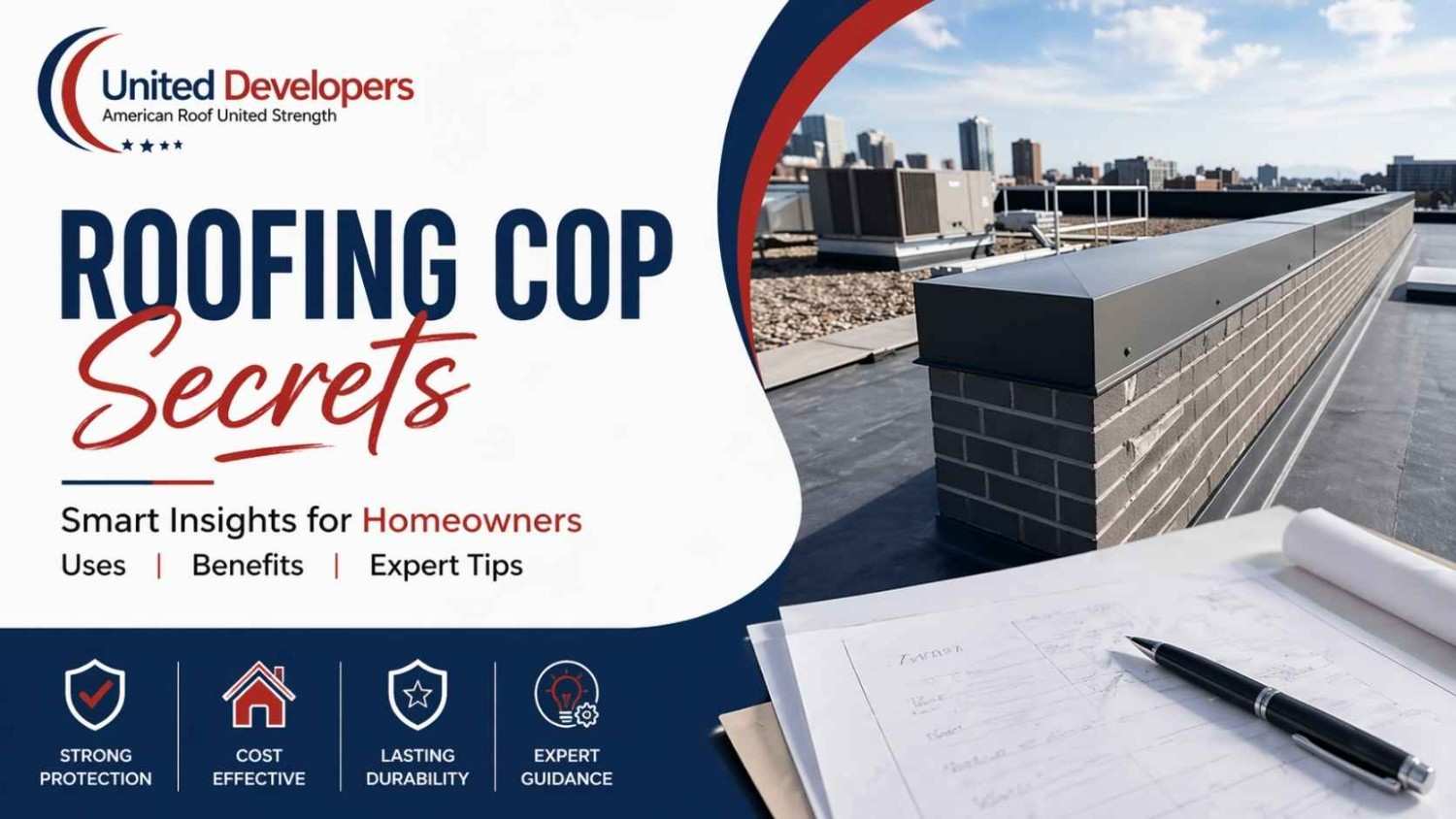
Flat Roof Replacement is a major project for any property owner. Whether you manage a commercial building or own a residential property, replacing a flat roof requires planning, technical understanding, and the right installation strategy. A well-executed replacement improves structural protection, enhances energy performance, and extends the life of your building envelope.
This complete guide explains the flat roof replacement process, materials, preparation steps, installation methods, structural considerations, and long-term benefits. If you want clarity and professional-level insight, this article will give you exactly that.
Understanding Flat Roofing Systems
Before starting a Flat Roof Replacement, it’s important to understand how flat roofing systems function.
Despite the name, flat roofs are not completely flat. They are designed with a slight slope, typically ¼ inch per foot, to allow proper water drainage. Without adequate slope and drainage, ponding water can weaken roofing membranes and reduce lifespan.
Most modern flat roofing systems include:
- Roof deck (wood, steel, or concrete)
- Vapor barrier (when required)
- Insulation board
- Roofing membrane
- Flashing components
- Drainage system (internal drains, scuppers, or gutters)
During a flat roof replacement, each of these components may need inspection, modification, or full replacement depending on the condition of the existing structure.
Signs a Flat Roof Needs Replacement
Property owners often overlook subtle warning signs. Knowing what to watch for can prevent structural issues.
Common indicators include:
- Persistent ponding water
- Cracked or blistered membrane
- Visible seam separation
- Interior ceiling stains
- Mold growth near roof edges
- Soft or spongy roof areas
- Frequent patchwork history
If your flat roofing system has reached the end of its service life, typically 20 to 30 years depending on material, a complete Flat Roof Replacement becomes the most effective long-term solution.
The Flat Roof Replacement Process
Flat Roof Replacement follows a structured process to ensure durability and long-term waterproof protection. Professional contractors handle each stage carefully to maintain structural integrity and roofing performance.
1. Roof Inspection and Assessment
The process begins with a detailed inspection of the existing roofing system. Contractors examine the membrane condition, insulation performance, roof deck stability, drainage system, and flashing areas. Moisture detection tools may be used to identify hidden water beneath the surface. This step determines the overall scope of the flat roof replacement.
2. Removal of Existing Materials
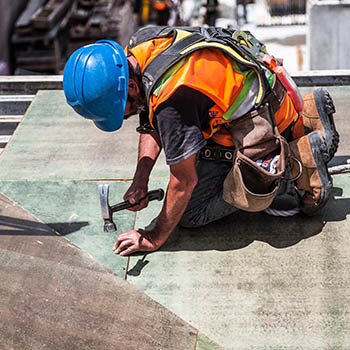
In most cases, the old roofing membrane and damaged insulation are removed completely. A full tear-off allows direct inspection of the roof deck and prevents future moisture issues. Starting with a clean structural base ensures better performance for the new system.
3. Roof Deck Preparation
After removal, the roof deck is cleaned and repaired where necessary. Steel, concrete, or wood decking is reinforced if needed to provide a solid and even foundation. Proper preparation is essential for long-term roofing stability.
4. Insulation Installation
New insulation boards are installed to improve thermal performance and energy efficiency. In many systems, tapered insulation is added to enhance drainage and reduce the risk of ponding water.
5. Membrane Application
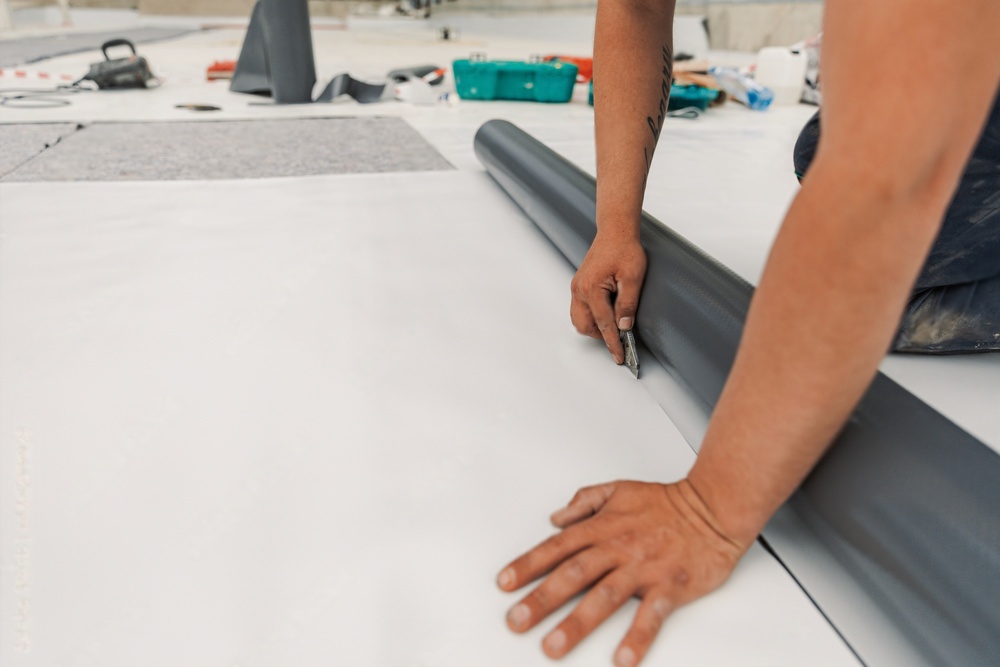
The selected flat roofing membrane is installed using approved methods such as fully adhered or mechanically fastened systems. Seams are sealed carefully to create a watertight barrier that protects the building from moisture intrusion.
6. Flashing and Edge Work
Flashing is installed around parapet walls, penetrations, and roof edges to secure vulnerable areas. Proper edge detailing strengthens waterproof protection and prevents wind-related damage.
7. Final Inspection
The final step includes checking seam integrity, drainage flow, fastening security, and overall waterproof performance. Once verified, the flat roof replacement is considered complete.
Types of Flat Roofing Materials
Selecting the right membrane is essential during a Flat Roof Replacement. Modern single-ply roofing systems such as TPO, EPDM, and PVC are engineered for durability, weather resistance, and long-term performance. Each material offers distinct advantages depending on the building structure and environmental exposure.
EPDM Roofing (Rubber Roofing)
EPDM is a synthetic rubber membrane known for flexibility and long-lasting performance. It performs well in varying climates and handles thermal expansion without cracking. This makes it a reliable option for both residential and commercial flat roofing systems.
Key Benefits:
- Strong weather resistance
- Excellent flexibility in temperature changes
- Proven long-term durability
TPO Roofing (Thermoplastic Polyolefin)
TPO is a single-ply roofing membrane recognized for energy efficiency and seam strength. Its heat-welded seams create a continuous waterproof barrier across the roof surface. TPO is widely used in modern flat roof replacement projects due to its balanced performance.
Key Benefits:
- Reflective surface improves energy efficiency
- Heat-welded seams for strong waterproofing
- Resistant to algae and debris buildup
PVC Roofing (Polyvinyl Chloride)
PVC roofing is commonly installed on commercial and industrial properties. It offers strong resistance to chemicals, fire exposure, and environmental wear. The membrane forms durable welded seams that enhance long-term waterproof protection.
Key Benefits:
- Fire-resistant material
- Excellent chemical resistance
- Durable and long-lasting seam performance
Choosing between TPO, EPDM, and PVC depends on building use, roof traffic, and climate conditions.
Drainage and Slope Considerations
Water management is critical in any flat roofing system. During flat roof replacement, contractors evaluate drainage design to prevent ponding water.
Improvements may include:
- Tapered insulation installation
- Internal drain adjustments
- Scupper installation
- Gutter alignment
Proper drainage protects the membrane from premature wear and supports long-term waterproof performance.
Energy Efficiency and Building Performance
A modern flat roof replacement can significantly improve building performance. Energy-efficient roofing systems reduce heat transfer and improve indoor temperature stability. Reflective membranes, such as TPO or PVC, can reduce surface heat absorption.
Benefits include:
- Lower indoor temperature fluctuations
- Reduced HVAC strain
- Improved insulation R-value
- Enhanced overall energy performance
For commercial properties, this can lead to improved building efficiency and sustainability compliance.
Structural Considerations
Flat roofs often support mechanical equipment, solar panels, and foot traffic. During replacement, contractors evaluate load-bearing capacity to ensure the structure can support current and future weight demands.
Structural reinforcement may be necessary if the deck shows signs of weakening. Addressing these concerns during flat roof replacement prevents long-term stability issues.
Maintenance After Flat Roof Replacement
Even a new roof requires routine care. Preventative maintenance extends lifespan and preserves waterproof integrity.
Recommended practices include:
- Semi-annual inspections
- Drain cleaning
- Debris removal
- Flashing checks
- Seam monitoring
Consistent maintenance ensures the flat roofing system performs efficiently for decades.
Final Thoughts
Flat Roof Replacement is a comprehensive structural upgrade that enhances durability, energy efficiency, and long-term building protection. From inspection and deck preparation to insulation installation and membrane application, each step plays a critical role in overall performance.
Selecting high-quality materials such as TPO, EPDM, or PVC and ensuring professional installation provides reliable waterproofing and structural integrity. When handled correctly, flat roof replacement strengthens your property, protects your investment, and delivers long-term peace of mind.
READY TO TRANSFORM YOUR SPACE?
Discover top-rated construction, remodeling, and renovation services tailored to your needs.



Trusted by 50+ businesses across Maryland & Virginia.