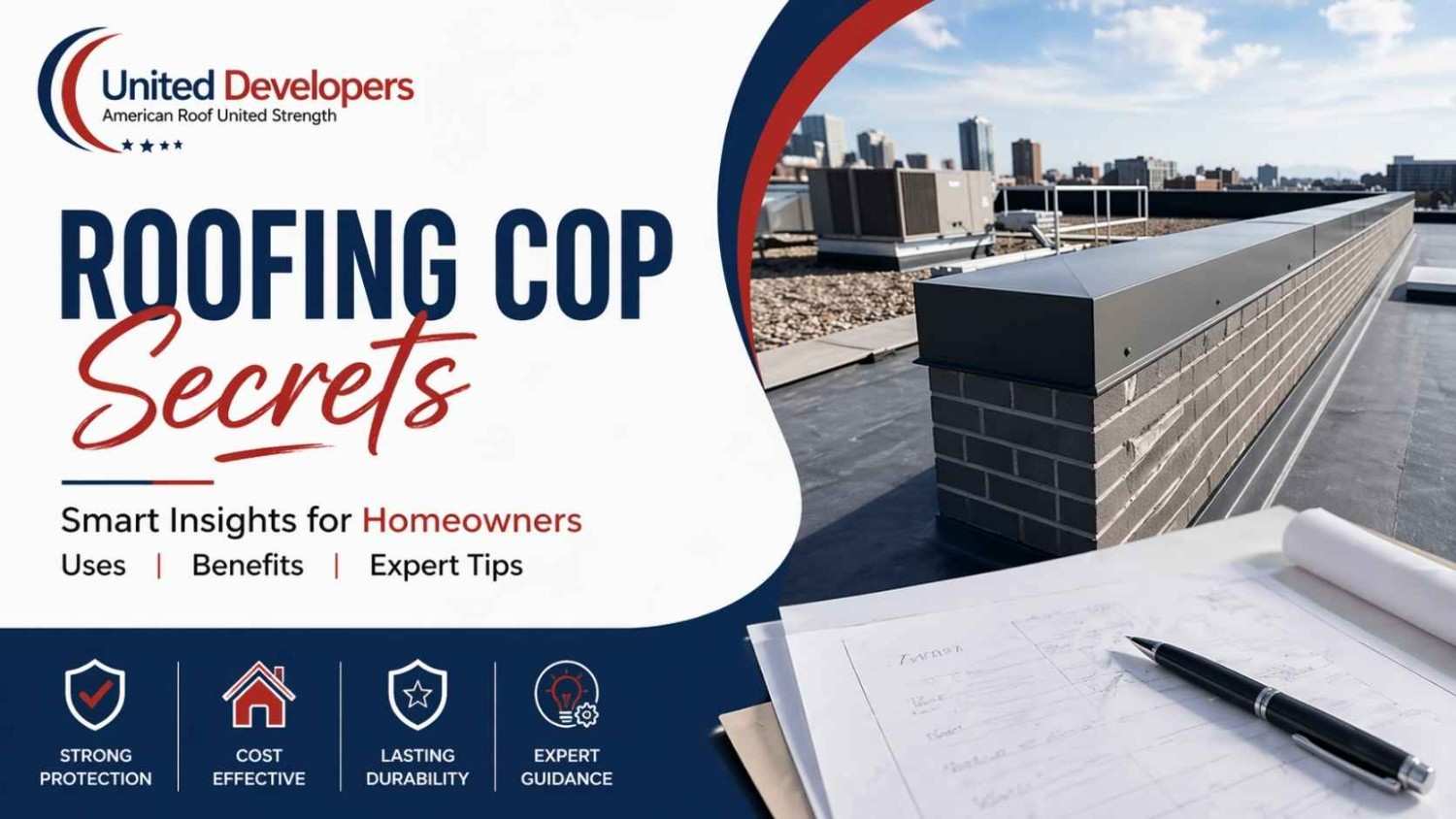
Flat roof installation has become one of the most dependable roofing options for both modern homes and commercial buildings. Its clean appearance, practical design, and cost-effective construction make it an excellent choice for homeowners looking for long-lasting protection. If you’re planning a new roofing project or replacing an older system, understanding how flat roof installation works will help you make better decisions, avoid costly mistakes, and ensure your roof performs well for years.
This guide explains the best flat roofing materials, the complete installation process, expected costs, maintenance tips, and common problems you can avoid with a properly built flat roof.
Understanding Flat Roof Installation
A flat roof is not completely flat. It is designed with a slight slope usually between 1% and 2% to direct water toward drains or scuppers. Flat roof installation involves applying a waterproof membrane system over a prepared roof deck, along with insulation, flashing, and drainage components.
Unlike pitched roofs, flat roofs rely heavily on membrane integrity and proper detailing. This makes professional installation critical to long-term performance.
Flat roofs are commonly used on:
- Modern residential homes
- Porches, garages, and rooftop additions
- Commercial and industrial buildings
- Apartment complexes and multi-family housing
Best Flat Roof Materials (Comparison Table Included)
Choosing the correct material is the most important step of the entire installation. Every roofing membrane has different strengths, costs, and lifespans. Here is a simple comparison to help you choose confidently:
Flat Roof Material Comparison
| Material | Lifespan | Durability | Cost Level | Best Use Case |
|---|---|---|---|---|
| EPDM Rubber | 20–30 years | High | Low | Homes & small commercial |
| TPO | 15–25 years | Very High | Medium | High energy efficiency |
| PVC | 20–30 years | Excellent | High | Heat, chemicals, industrial |
| Modified Bitumen | 15–25 years | Moderate | Low–Medium | Budget-friendly installations |
| Built-Up Roof (BUR) | 20–30 years | Very High | Medium–High | Maximum waterproofing |
Now let’s break each material down further.
EPDM Roofing(Rubber Membrane)
Ethylene Propylene Diene Monomer (EPDM) is one of the most popular flat roofing materials because it is flexible, weather-resistant, and relatively affordable. Properly installed EPDM can last 20–30 years.
Pros: Easy to install, cost-effective, durable
Cons: Seams are glued and can be more difficult to repair
TPO Roofing(Thermoplastic Olefin)
TPO systems are lightweight, reflective, and energy-efficient. They are frequently chosen for commercial structures due to strong seam welding and resistance to UV damage.
Pros: Reflective surface reduces cooling costs, strong seam integrity
Cons: Quality varies by manufacturer
PVC Roofing(Polyvinyl Chloride)
PVC membranes provide excellent chemical resistance and long lifespans, often between 20 and 30+ years. They are ideal for buildings exposed to harsh conditions or grease.
Pros: High durability, strong moisture resistance
Cons: Higher upfront cost
Modified Bitumen
Modified bitumen is applied in multiple layers, providing flexibility and good weather resistance. It is often the go-to choice for homeowners seeking an affordable yet dependable flat roof.
Why homeowners choose it:
- Performs well in cold climates
- Budget-friendly
- Easy to maintain
Built-Up Roofing (BUR)
BUR, also known as “tar and gravel roofing,” is a traditional option with excellent waterproofing and durability.
Advantages of BUR:
- Thick, layered protection
- Strong resistance to foot traffic
- Long lifespan with proper maintenance
How Flat Roof Installation Works – Step-by-Step
A successful flat roof installation requires attention to detail and a structured approach. Here’s a clear breakdown of the full process:
Step 1 – Initial Inspection and Roof Evaluation
Before installation begins, a detailed inspection identifies structural needs, existing moisture issues, and drainage requirements. Local building codes often require specific slope and drainage solutions.
This planning phase determines whether additional support, insulation, or tear-out is needed before new materials can be applied.
Step 2 – Removing Old Roofing Material
If replacing an existing roof, installers remove old membranes, damaged insulation, and worn-out flashing. This helps expose hidden problems like rot or water damage that must be fixed before installation.
Step 3 – Preparing and Repairing the Roof Deck
The roof deck must be strong enough to support the new roofing system. Any weak or rotten plywood is replaced. A slight slope (usually 1/4 inch per foot) is added to help water drain toward scuppers or drains.
Step 4 – Installing Insulation Boards
Insulation is essential for energy efficiency and indoor comfort. Common insulation types include:
- Polyiso boards
- Extruded polystyrene
- Rigid foam
The insulation also helps create a smooth base for the membrane.
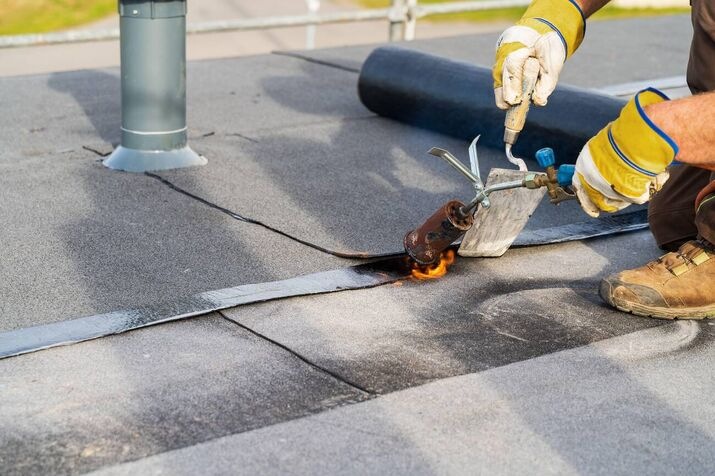
Step 5 – Applying the Waterproof Membrane
This is the core protective layer of the flat roof installation. Depending on the chosen material, contractors either:
- Heat-weld
- Fully adhere
- Mechanically fasten
the roofing membrane.
A high-quality membrane prevents leaks, blocks UV rays, and withstands storms.
Step 6 – Installing Flashing and Edge Protection
Flashings are installed around chimneys, skylights, vents, and roof edges. Proper flashing seals every potential entry point for water, making this one of the most important steps.
Step 7 – Final Inspection and Quality Assurance
Once the installation is complete, a final inspection is performed. Contractors check seams, flashing, drainage flow, and overall installation quality to ensure a long-lasting finish.
Typical Costs of Flat Roof Installation
Understanding flat roof installation costs helps owners set realistic budgets and compare material options before requesting contractor quotes.
Cost Per Square Foot
Most flat roofing systems fall into a range depending on the materials chosen and the complexity of the project:
- Basic single-ply systems: $4–$8 per square foot
- Mid-range materials such as EPDM or TPO: $5–$13 per square foot
- Premium systems like PVC or high-end membrane: $7–$16+ per square foot
These figures include both materials and labor but can vary based on regional labor rates, project size, and accessibility.
Total Installation Estimates
For a typical flat roof project:
- A 1,000 sq. ft. roof may cost $4,000–$14,000+
- Larger roofs naturally require more material and labor, increasing the total estimate proportionally
Keep in mind that these are general ranges — actual pricing depends on material choice, site conditions, and whether existing roofing materials need removal before installation.
Key Factors That Influence Flat Roof Costs
Several elements affect how much a flat roof job will cost overall:
Roof Size & Complexity
A larger surface area requires more membrane and insulation, which increases both material and labor costs. Roofing systems with multiple penetrations, skylights, or mechanical equipment also add complexity and time.
Material Type
Different roofing materials carry different price tags and performance expectations. For example:
- Fiberglass/GRP tends to be on the lower end
- EPDM and TPO fall within mid-range pricing
- PVC and metal systems are higher cost but offer long lifespans
Labor & Local Rates
Roofing crews charge based on local labor markets, job difficulty, and installation expertise. In many cases, labor can make up 20–50% of the total project cost.
Removal & Repairs
If an existing roof must be stripped off or decking needs repair, the price increases. Old materials need safe disposal, which adds labor and disposal fees to your estimate.
Maintenance Tips for a Long-Lasting Flat Roof
A flat roof can last decades with the right care. These simple tips help protect your investment:
- Inspect your roof twice a year: Look for cracks, blisters, or loose seams.
- Keep drains clear: Proper drainage prevents water pooling.
- Remove debris quickly: Leaves and branches may trap moisture.
- Schedule professional maintenance: Annual checkups catch small issues before they become expensive repairs.
Importance of Professional Flat Roof Installation
Flat roofs require specialized expertise. Improper installation can result in:
- Ponding water
- Chronic leaks
- Insulation failure
- Voided manufacturer warranties
Working with an experienced contractor ensures correct material selection, proper drainage design, and adherence to local codes. Professional roofing companies such as UD Roofing in Maryland understand regional climate challenges and install systems designed for long-term performance.
Final Thoughts
Flat roof installation is a practical, modern, and cost-effective roofing option that offers homeowners durability, versatility, and long-term value. By understanding materials, installation steps, drainage requirements, and maintenance needs, you can confidently select the best roofing system for your home. A well-installed flat roof not only protects your property but also enhances energy efficiency and improves the overall functionality of your living space.
Whether you’re installing a new flat roof or replacing an aging one, choosing the right professionals makes all the difference. With the expertise of UD Roofing, homeowners gain peace of mind knowing their roofing system is built with precision, high-quality materials, and long-term performance in mind.
READY TO TRANSFORM YOUR SPACE?
Discover top-rated construction, remodeling, and renovation services tailored to your needs.



Trusted by 50+ businesses across Maryland & Virginia.