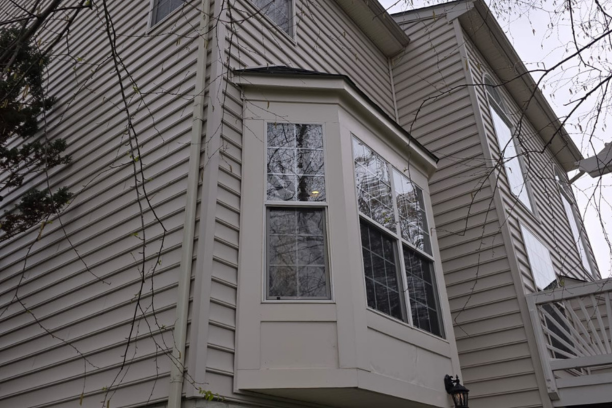
Vinyl siding is one of the most popular exterior cladding materials used in residential construction today. It provides long-lasting protection, improves curb appeal, and requires minimal maintenance compared to traditional siding materials. For homeowners in Maryland and Virginia, where seasonal weather can bring heavy rain, humidity, and temperature changes, properly installed vinyl siding plays an important role in protecting the structure of a home.
Understanding how to install vinyl siding helps homeowners make informed decisions about exterior upgrades and ensures the siding system performs effectively for many years. While some homeowners explore DIY installation, professional installation ensures proper moisture protection, alignment, and durability.
This guide explains the vinyl siding installation process, including preparation, tools, installation steps, and important considerations for long-term performance.
What Is Vinyl Siding?
Vinyl siding is an exterior wall covering made from polyvinyl chloride (PVC) designed to protect homes from weather exposure while improving appearance. It is widely used because it is durable, lightweight, and resistant to moisture, insects, and rot.
Modern vinyl siding panels come in a wide range of colors, textures, and profiles that can replicate traditional wood siding while offering significantly lower maintenance.
Common types of vinyl siding include:
- Horizontal lap siding
- Dutch lap siding
- Board and batten siding
- Insulated vinyl siding
These options allow homeowners to choose a style that complements their home’s architecture while maintaining strong weather protection.
Tools and Materials Needed
Here’s a quick checklist before starting your siding project:
| Tools | Materials |
|---|---|
| Tape measure | Vinyl siding panels |
| Level and chalk line | Starter strips |
| Utility knife or tin snips | J-channels and corner posts |
| Hammer or nail gun | Nails or screws |
| Ladder or scaffolding | Soffit and fascia trim pieces |
Always ensure safety gear, such as gloves and goggles, is used throughout the process.
Step-by-Step Vinyl Siding Installation Process
Before learning how to install vinyl siding, contractors first prepare the exterior walls and ensure the surface is smooth and structurally sound. Proper preparation helps the siding panels align correctly and improves long-term durability.
1. Prepare the Exterior Wall Surface
Proper preparation is essential before installing vinyl siding. Contractors begin by inspecting the exterior walls and removing any existing damaged siding, nails, or debris. The wall surface must be smooth and structurally sound. Any damaged sheathing or framing should be repaired before installation begins.
A house wrap or weather-resistant barrier is then installed to protect the home from moisture infiltration and improve energy efficiency.
2. Install the Starter Strip
The starter strip is the foundation of vinyl siding installation. It is installed at the base of the wall and ensures the first row of siding panels is aligned correctly.
Contractors use a level or chalk line to ensure the starter strip is perfectly straight. If the starter strip is not level, the entire siding installation will appear uneven.
3. Install Corner Posts
Corner posts are installed on all exterior corners of the home. These posts provide a clean edge and allow siding panels to connect properly. Proper spacing must be maintained at the top and bottom of the corner posts to allow for natural expansion and contraction caused by temperature changes.
4. Install J-Channels Around Openings
J-channels are installed around windows, doors, and other openings. These channels hold the edges of siding panels and create a finished appearance. They also help guide water away from the openings, improving moisture protection.
Proper flashing should also be installed around windows and doors to prevent water intrusion.
5. Install the First Row of Vinyl Siding Panels
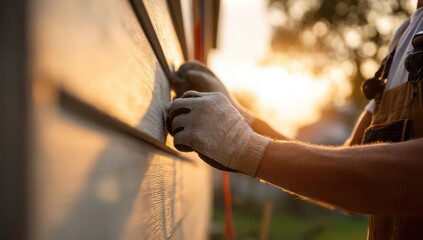
The first row of siding panels is attached to the starter strip and secured with nails along the top flange. When installing vinyl siding, nails should not be driven too tightly. Vinyl siding must have room to expand and contract as temperatures change.
Panels are overlapped according to manufacturer guidelines to create a continuous weather-resistant surface.
6. Continue Installing Additional Siding Panels
Once the first row is installed, additional siding panels are added one row at a time. Each panel locks into the panel below it, creating a secure connection. Contractors ensure that:
- Panels remain level across the wall
- Overlaps are consistent
- Nail placement allows movement for expansion
Maintaining proper alignment throughout the installation ensures the siding looks clean and professional.
7. Install Trim and Finishing Pieces
The final step in the vinyl siding installation process is installing finishing trim pieces along the top edges of the wall and beneath rooflines. Trim pieces such as F-channels and utility trim secure the final siding panels and provide a finished appearance.
Once installation is complete, contractors inspect the siding system to ensure panels move freely and all edges are properly secured.

Benefits of Vinyl Siding for Homes
Installing vinyl siding provides several long-term benefits for homeowners.
Durable Weather Protection
Vinyl siding creates a protective barrier that shields the home from rain, wind, and moisture. This protection helps reduce the risk of structural damage and water intrusion.
Low Maintenance Exterior
Unlike wood siding, vinyl siding does not require painting or staining. Occasional cleaning with water and mild detergent helps maintain its appearance.
Improved Energy Efficiency
Insulated vinyl siding can improve thermal performance by reducing heat loss through exterior walls.
Increased Curb Appeal
Vinyl siding is available in many colors and textures, allowing homeowners to update the appearance of their property without major renovation.
Long Lifespan
Properly installed vinyl siding can last 20 to 40 years, making it a reliable exterior improvement for residential properties.
When homeowners understand how to install vinyl siding, they can better appreciate the importance of proper preparation and professional installation.
Common Mistakes to Avoid When Installing Vinyl Siding
Proper installation is critical for long-term performance. Some common mistakes include:
- Nailing siding panels too tightly
- Failing to allow for expansion gaps
- Improper flashing around windows and doors
- Installing panels without proper alignment
- Skipping moisture barriers or house wrap
These mistakes can lead to water damage, warped panels, and reduced siding lifespan.
Professional Vinyl Siding Installation in Maryland and Virginia
While some homeowners attempt DIY siding projects, professional installation ensures the siding system performs correctly and protects the home from weather damage. Experienced contractors understand proper installation techniques, local building codes, and climate considerations that affect siding performance.
At UD Roofing, professional contractors provide vinyl siding installation services in Maryland and Virginia, helping homeowners improve their home’s exterior durability and appearance. From selecting high-quality siding materials to ensuring precise installation, experienced professionals focus on delivering siding solutions designed for long-term protection and performance.
Final Thoughts
Understanding how to install vinyl siding helps homeowners appreciate the importance of proper preparation, accurate installation, and quality materials. Vinyl siding offers a durable and low-maintenance exterior solution that enhances both the appearance and protection of a home.
Whether replacing old siding or installing new siding during a renovation project, working with experienced contractors ensures the siding system is installed correctly and performs reliably for many years.
READY TO TRANSFORM YOUR SPACE?
Discover top-rated construction, remodeling, and renovation services tailored to your needs.



Trusted by 50+ businesses across Maryland & Virginia.