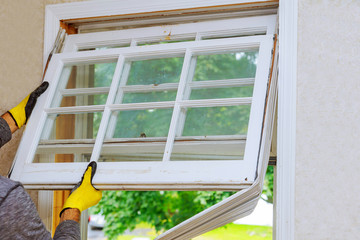
Windows play a big role in how comfortable your home feels throughout the year. If they are not sealed well, they can let heat escape in winter and allow hot air inside during summer. That makes your rooms less comfortable and can increase energy bills. Learning How to Insulate Windows is one of the simplest ways to improve indoor comfort, lower heating and cooling loss, and make your home more energy efficient without a full window replacement.
Many homeowners think window insulation is only useful in cold weather, but that is not true. Good insulation helps in every season. It keeps warm air inside when temperatures drop and blocks heat gain when the weather turns hot. For homes in Maryland and Virginia, this matters because the seasons change throughout the year, and indoor comfort depends on keeping your windows sealed and efficient.
This guide explains How to Insulate Windows using practical methods that match real user needs. Whether you want a low-cost DIY fix, better energy efficiency, or long-term comfort, these steps can help.
Why Window Insulation Matters All Year
Insulating windows offers numerous benefits throughout the year. Whether you want to keep your home cooler in summer or warmer in winter, window insulation makes a difference. Here’s why:
- Energy Efficiency: Insulating your windows helps maintain the indoor temperature, reducing the need for constant heating or cooling. This means you’ll save on energy costs.
- Comfort: Proper insulation minimizes drafts, making your home feel more comfortable.
- Noise Reduction: Insulating windows can also reduce external noise, helping you maintain a quiet indoor environment.
- Increased Lifespan of HVAC System: By reducing the strain on your heating and cooling system, window insulation can prolong its life.
In short, learning how to insulate windows is a smart way to increase home comfort while saving money.
Signs Your Windows Need Insulation
Before choosing a method, check whether your windows are losing energy. Some common signs include:
- Drafts near the window frame
- Rooms that feel colder or hotter than others
- High heating or cooling bills
- Condensation near the glass
- Rattling windows in windy weather
- Visible cracks or gaps around the frame
If you notice any of these issues, it’s a good time to look into how to insulate windows for better energy efficiency.
Best Ways to Insulate Windows for All Seasons
There are several methods to insulate your windows, each with its own benefits. Some options are temporary, while others provide long-term solutions. Below are the most effective methods for how to insulate windows in every season:
1. Seal Air Gaps with Caulk
Caulking is one of the most cost-effective methods for sealing gaps in your windows. Over time, cracks and gaps can form where the window frame meets the wall. By applying caulk to these gaps, you can significantly reduce air leakage. This is a great way to start learning how to insulate windows without much effort or expense.
2. Add Weatherstripping
Weatherstripping is useful for parts of the window that open and close. It seals moving sections without blocking window use. This makes it a practical choice for double-hung windows, sliding windows, and casement windows.
There are different types of weatherstripping, including foam tape, V-strip, and rubber seals. The right option depends on the window style and the size of the gap.
If you are researching How to Insulate Windows without replacing them, weatherstripping is one of the easiest and most affordable methods to start with.
3. Use Window Insulation Film
Insulation film is a popular seasonal solution, but it can also support year-round efficiency. It is usually applied to the inside of the window and shrunk tight with heat for a clear finish. This creates an extra barrier that reduces drafts and improves thermal performance.
Window film is especially helpful for older windows with single-pane glass or poor sealing. It is a budget-friendly option for homeowners who need fast results.
Although it is often used in colder months, some insulating films also help reduce heat transfer in warmer weather.
4. Install Thermal Curtains or Insulated Drapes
Thermal curtains add another layer between your room and the window. They help block heat during summer and reduce heat loss during winter. They are also useful for reducing glare and improving privacy.
This option works best when combined with proper sealing. Curtains alone cannot stop air leaks around the frame, but they can improve comfort and reduce solar heat gain.
For bedrooms, living rooms, and large windows, insulated curtains can be a practical part of a complete window insulation plan.
5. Apply Window Draft Stoppers
Draft stoppers are usually placed along the bottom of windows to block air movement. They are simple, affordable, and easy to install. While they are not a full insulation solution, they can help in problem areas where drafts are noticeable.
They work well as a quick fix, especially in older homes where small gaps are common.
6. Consider Cellular Shades
Cellular shades (also known as honeycomb shades) are a great option if you want an effective and modern solution for insulating windows. These shades create small pockets of air that act as a barrier against temperature changes. They are an excellent choice for reducing heat transfer in all seasons, and they offer a clean, modern look that doesn’t compromise aesthetics.
7. Upgrade to Storm Windows
Storm windows add an additional layer of protection to your existing windows, increasing insulation and energy efficiency. This method is especially beneficial for older homes with single-pane windows. While installing storm windows requires more effort and cost, it provides long-term value for those looking for permanent solutions on how to insulate windows.
Window Insulation Methods at a Glance
| Insulation Method | Best For | Cost Level | Seasonal Benefit | Long-Term Value |
|---|---|---|---|---|
| Caulking | Sealing fixed cracks around frames | Low | All seasons | High |
| Weatherstripping | Openable windows with air leaks | Low | All seasons | High |
| Window insulation film | Drafty older windows | Low | Best in winter, useful year-round | Medium |
| Thermal curtains | Extra indoor comfort and light control | Medium | All seasons | Medium |
| Draft stoppers | Small gaps at bottom edges | Low | All seasons | Low |
| Cellular shades | Better insulation with modern appearance | Medium | All seasons | High |
| Storm windows | Older homes needing stronger protection | Higher | All seasons | High |
How to Choose the Right Insulation Method
If you want the best results, match the method to the problem.
If the issue is air leakage, focus on caulk and weatherstripping first.
If the issue is heat gain from sunlight, thermal curtains or cellular shades may help more.
If the issue is older glass with weak performance, insulation film or storm windows may be the better choice.
In many homes, the best result comes from combining more than one method. For example, sealing gaps with caulk and adding insulated curtains can improve both comfort and energy efficiency.
Step-by-Step Approach for Homeowners
If you are not sure where to begin, follow this simple order:
- Inspect the Window Area Look for visible cracks, worn seals, or loose trim. Check around the frame and test for drafts with your hand on a windy day.
- Seal What You Can First Start with the most obvious gaps. Caulk fixed cracks and add weatherstripping where the sash moves.
- Add an Interior Insulation Layer After sealing leaks, use curtains, shades, or film to improve the thermal barrier.
- Review Window Condition If the windows are very old or damaged, short-term insulation may help, but a larger upgrade may be worth considering later.
Final Thoughts
Properly insulating your windows is one of the most effective ways to reduce energy consumption and improve home comfort. Whether you’re tackling drafts in winter or preventing heat gain in summer, learning how to insulate windows will pay off in the long run.
By using a combination of these methods, you can ensure your home stays comfortable year-round, while also saving money on heating and cooling costs. For Maryland and Virginia homeowners, who experience all four seasons, window insulation is an investment that makes a big difference in how your home feels.
If you want to ensure that your home remains energy-efficient, consider starting with easy fixes like sealing gaps and applying weatherstripping. However, for long-term results, storm windows and professional services from experts like UD Roofing may be a better choice.
READY TO TRANSFORM YOUR SPACE?
Discover top-rated construction, remodeling, and renovation services tailored to your needs.



Trusted by 50+ businesses across Maryland & Virginia.