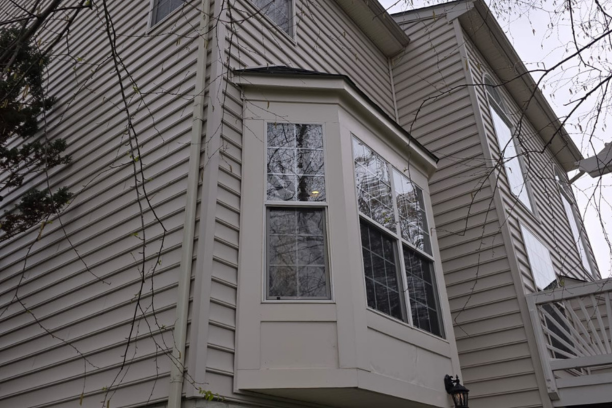
How to Paint Vinyl Siding starts with one important rule: the surface must be clean, sound, and painted with the right vinyl-safe exterior paint. You can refresh faded vinyl siding, improve curb appeal, and change your home’s exterior color without full replacement, but poor prep or the wrong paint can lead to peeling, warping, or uneven coverage. Before painting, inspect the siding, wash away dirt and mildew, repair loose or damaged panels, choose a flexible exterior acrylic paint, and paint in mild weather.
Quick Answer:
How to Paint Vinyl Siding correctly means cleaning the siding, repairing damage, choosing vinyl-safe paint, and applying thin, even coats in suitable weather. Painting works best when the siding is faded but still solid. If the panels are cracked, warped, brittle, or loose, replacement or professional repair may be the better choice.
Can You Paint Vinyl Siding?
Yes, you can paint vinyl siding when the panels are still in good condition. Vinyl is not like wood or brick because it expands and contracts with temperature changes. That means the paint must stay flexible and bond well to a smooth exterior surface.
Many homeowners search How to Paint Vinyl Siding because their siding still works but looks faded, chalky, or outdated. In that case, painting can be a smart exterior improvement. It gives the home a cleaner look and can delay the cost of siding replacement.
Painting is not the right fix for badly damaged siding. If the panels are buckled, cracked, loose, or allowing moisture behind the wall, those problems should be corrected first.
When Is Painting Vinyl Siding a Good Choice?
Painting is a good choice when the siding is mainly faded or discolored, not structurally damaged. It is also useful when you want to update your home’s exterior color without replacing the full siding system.
| Siding Condition | Paint or Replace? | Best Next Step |
|---|---|---|
| Faded but solid siding | Paint | Clean and use vinyl-safe paint |
| Mild staining or mildew | Paint after cleaning | Wash and dry fully first |
| Loose panels | Repair first | Secure panels before painting |
| Cracked or brittle siding | Replace damaged areas | Do not paint over failure |
| Warped or buckled siding | Replace | Painting will not fix shape issues |
For homes in Maryland and Virginia, weather matters. Humidity, rain, sun exposure, and seasonal temperature changes can affect how paint dries and how long the finish lasts. A local exterior painting contractor can help choose the right product and timing.
What Paint Should You Use on Vinyl Siding?
The best paint for vinyl siding is a high-quality vinyl-safe exterior paint. Many professionals use exterior acrylic or urethane-acrylic paint because it can move with the siding and resist peeling better than basic coatings.
Color choice is also important. Dark colors absorb more heat. On vinyl siding, too much heat can increase the risk of warping. If you want a darker color, choose a paint line specifically made for vinyl and follow the manufacturer’s approved color range.
When learning How to Paint Vinyl Siding, remember that paint quality is not the place to cut corners. Cheap paint may look acceptable at first but can fade, peel, or fail sooner.
How to Paint Vinyl Siding Step by Step
This is the practical process most homeowners should understand before starting.
1. Inspect the Siding Carefully
Walk around the home and check every side of the exterior. Look for loose panels, cracks, dents, warping, open seams, mildew, chalky residue, and trim damage.
Pay extra attention to sunny walls, lower panels near landscaping, and areas around windows, doors, and corners. If you find serious damage, call a siding contractor before painting.
2. Clean the Surface Properly
Paint will not bond well to dirt, mildew, pollen, or chalky siding. Wash the surface with a mild cleaner, soft brush, and garden hose. A pressure washer can be used carefully, but avoid forcing water behind the siding.
Let the siding dry fully before painting. Moisture trapped behind paint can lead to poor adhesion and an uneven finish.
3. Protect the Exterior Around the Work Area
Cover windows, doors, lights, outlets, brick, decks, plants, and walkways. Use painter’s tape, plastic sheeting, and drop cloths where needed.
Professional-looking exterior house painting depends heavily on preparation. Clean edges and protected surfaces make the finished project look much better.
4. Prime Only If Needed
Not every vinyl siding project needs primer. If the siding is clean, smooth, and in good condition, vinyl-safe paint may be enough.
Primer may be helpful if the siding is very chalky, stained, faded, or uneven. Use a primer that is compatible with vinyl siding and exterior paint. The wrong primer can cause more problems than it solves.
5. Apply Thin, Even Coats
Apply paint in thin, even layers. A sprayer can create a smooth finish on large areas, while rollers and brushes are useful for edges, corners, and smaller sections.
Avoid heavy coats. Thick paint may dry unevenly and may not flex properly with the siding. Two light coats usually create a cleaner and more durable result than one heavy coat.
6. Paint in the Right Weather
Do not paint vinyl siding in extreme heat, direct harsh sunlight, rain, heavy wind, or cold conditions. Mild, dry weather is best.
For Maryland and Virginia homes, spring and fall often provide better painting conditions than very hot summer afternoons. Always check the paint label for recommended temperature and drying requirements.
DIY vs Hiring a Professional
Homeowners can handle How to Paint Vinyl Siding as a DIY project if the home is one story, the siding is in good condition, and access is safe. However, larger homes, steep lots, tall walls, and damaged siding usually require professional help.
A local exterior painter or siding contractor can inspect the surface, recommend the right vinyl-safe paint, handle prep work, and apply the finish evenly. They can also identify when painting is not the best solution.
If you are comparing DIY and professional painting, consider more than the paint cost. Think about ladders, safety equipment, cleaning supplies, repairs, weather timing, surface protection, and cleanup.
Common Mistakes to Avoid
The biggest mistake is painting over dirty siding. Even expensive paint can fail if the surface is not properly cleaned.
Other common mistakes include choosing paint that is not vinyl-safe, using a color that is too dark, painting in direct sunlight, skipping damaged panels, ignoring moisture problems, and applying paint too thickly.
Another mistake is expecting paint to fix siding failure. If the siding is warped or brittle, painting may only hide the issue temporarily.
What Should a Professional Quote Include?
If you hire a local contractor, ask for a clear written estimate. A professional quote should include surface inspection, cleaning method, minor repairs, paint brand or type, number of coats, areas included, project timeline, cleanup, and warranty details.
A good quote for How to Paint Vinyl Siding should not be based only on the size of the home. The condition of the siding, height of the walls, trim details, access points, and preparation needs all affect the final result.
Final Thoughts
Learning How to Paint Vinyl Siding helps you decide whether painting is the right move for your home. If the siding is faded but still strong, painting can refresh the exterior and improve curb appeal. The best results come from careful inspection, proper cleaning, vinyl-safe paint, smart color selection, and suitable weather.
If the siding is cracked, warped, loose, or difficult to reach safely, speak with a local siding or exterior painting professional before starting. A good inspection can help you avoid wasted paint, poor results, and costly mistakes.
FAQs About How to Paint Vinyl Siding
1. Can vinyl siding really be painted?
Yes. Vinyl siding can be painted when it is clean, stable, and in good condition. The key is using vinyl-safe exterior paint that can expand and contract with the siding.
2. What is the best paint for vinyl siding?
The best option is high-quality vinyl-safe exterior acrylic or urethane-acrylic paint. It should be flexible, weather-resistant, and approved for vinyl surfaces.
3. Do I need primer before painting vinyl siding?
Primer is not always required. It may be useful if the siding is chalky, stained, heavily faded, or uneven. Clean, solid vinyl siding may not need primer.
4. Can dark paint warp vinyl siding?
Yes, very dark colors can absorb more heat and may increase the risk of warping. Use vinyl-safe colors and follow the paint manufacturer’s guidance.
5. Is painting vinyl siding better than replacing it?
Painting is better when the siding is faded but structurally sound. Replacement is better when the siding is cracked, warped, brittle, loose, or damaged beyond repair.
READY TO TRANSFORM YOUR SPACE?
Discover top-rated construction, remodeling, and renovation services tailored to your needs.



Trusted by 50+ businesses across Maryland & Virginia.