Choosing the right roofing system is one of the most important decisions for any homeowner. A roof is more than just a structure, it protects your family, your belongings, and your long-term property value. In recent years, metal roof installation has become one of the most trusted roofing solutions due to its strength, durability, and long-term savings.
In 2026, more homeowners are shifting from traditional asphalt shingles to metal roofing because it performs better in changing weather conditions and requires less maintenance. Whether you are building a new home or replacing an old roof, understanding how metal roofing works can help you make a smart and informed decision.
This guide explains the benefits, key features, and installation process of metal roofing in simple and professional terms.
What is Metal Roof Installation?
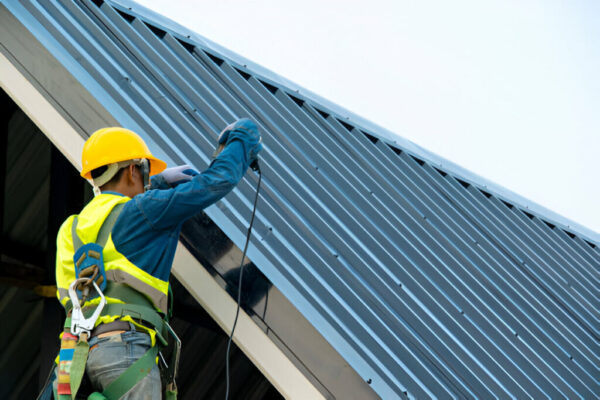
Metal roof installation is the process of installing roofing systems made from durable metals such as steel, aluminum, or zinc. These metal sheets or panels are carefully fixed onto the roof structure using advanced installation methods to ensure strength and weather resistance.
Unlike traditional roofing materials, metal roofs are designed to last for decades. They are built to handle rain, wind, heat, and other environmental challenges while maintaining their structure and appearance.
A properly installed metal roof is not just a covering, it is a complete protection system for your home.
Types of Metal Roofing Systems
1. Standing Seam Design
Standing seam metal roofs feature vertical panels with concealed fasteners. This design improves waterproofing and provides a clean, modern architectural appearance.
It is widely used in residential roofing due to its durability and low maintenance requirements.
2. Metal Shingles
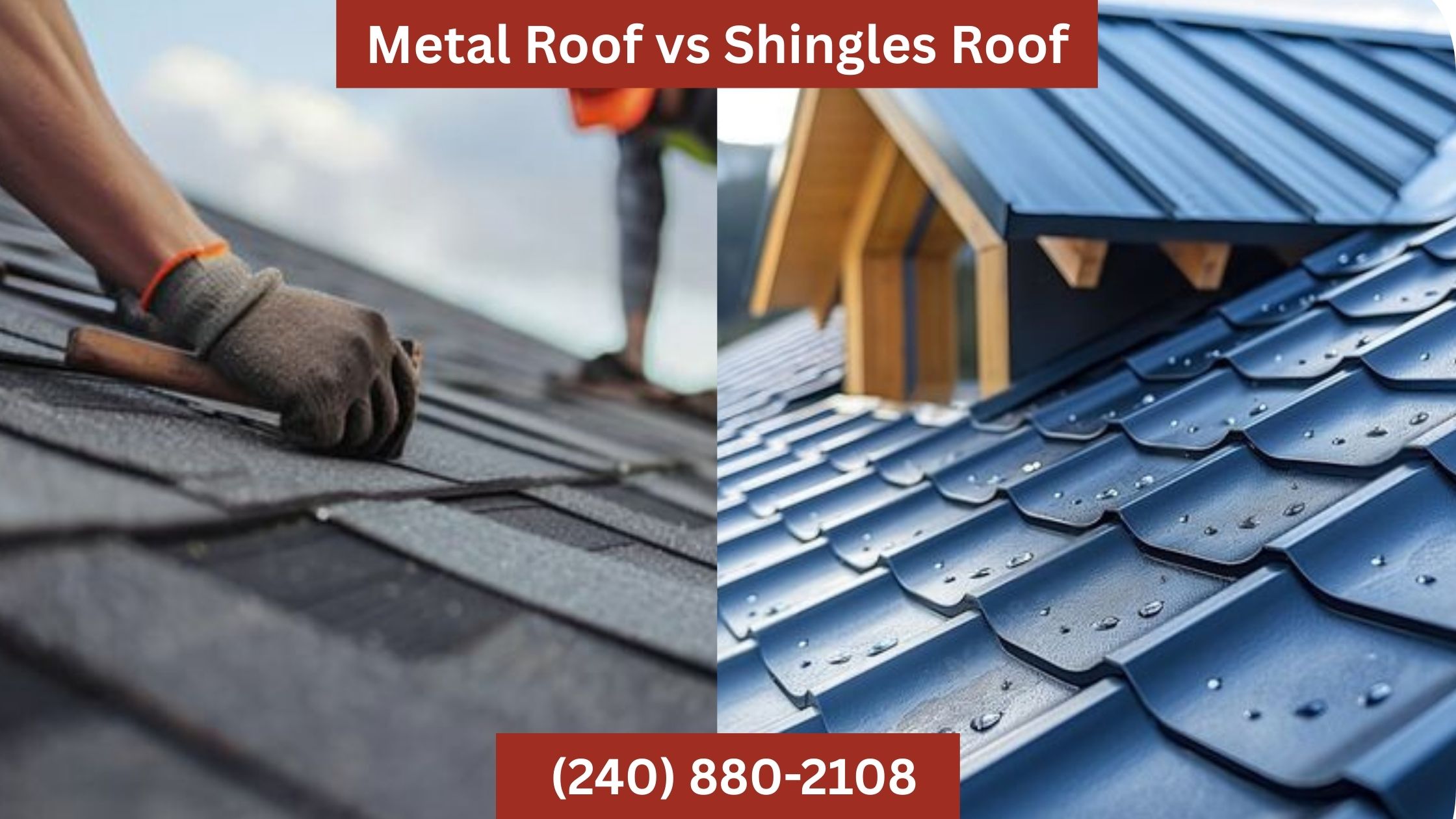
Metal shingles are designed to replicate the appearance of traditional roofing materials such as slate, wood, or clay tiles. They combine aesthetic appeal with the strength of metal construction.
This makes them a suitable choice for homeowners who want both style and performance.
3. Corrugated Metal Panels
Corrugated panels are characterized by their wave-like structure, which enhances strength and water drainage. They are commonly used due to their affordability and durability.
These panels are suitable for both residential and light commercial applications.
4. Protective Coatings
Modern metal roofs are treated with protective coatings to prevent corrosion, rust, and UV damage. Common coatings include:
- Galvanized zinc coating
- Galvalume coating
- Weather-resistant paint systems
These coatings significantly extend the lifespan of the roofing system while maintaining its visual appearance.
5. Thermal Insulation Support
Proper insulation is an essential component of metal roof installation. It helps regulate indoor temperatures by reducing heat transfer during summer and retaining warmth during winter.
This improves indoor comfort and enhances overall energy efficiency.
Benefits of Metal Roof Installation
1. Long-Term Durability
One of the most important advantages of metal roof installation is its exceptional durability. A professionally installed metal roof can last 40 to 70 years, depending on the material and maintenance level.
This long service life significantly reduces the need for frequent roof replacements, making it a cost-effective long-term investment for homeowners.
2. High Energy Efficiency
Metal roofing systems are highly energy efficient due to their ability to reflect solar radiation. Instead of absorbing heat, metal roofs reflect sunlight, which helps maintain a cooler indoor environment.
This reduces the load on cooling systems during hot seasons and contributes to lower energy consumption. Over time, homeowners can experience noticeable savings on electricity costs.
3. Strong Weather Resistance
Metal roofs are designed to perform well under extreme weather conditions. They provide reliable protection against:
- Heavy rainfall
- Strong wind pressure
- Hail impact
- Snow accumulation
This makes metal roof installation particularly suitable for regions like Maryland and Virginia, where seasonal weather changes can be severe. The structural strength of metal roofing helps prevent leaks and storm-related damage.
4. Fire Resistance and Safety
Metal roofing is non-combustible, meaning it does not ignite or contribute to the spread of fire. This feature significantly enhances the safety of residential properties.
Compared to traditional roofing materials, metal roofs offer a higher level of fire protection, making them a preferred choice for safety-conscious homeowners.
5. Low Maintenance Requirements
One of the practical advantages of metal roofing is its low maintenance needs. Unlike traditional roofing systems that may require frequent repairs, metal roofs remain stable with minimal upkeep.
Basic maintenance includes periodic inspections, cleaning debris, and checking fasteners after severe weather. This reduces long-term maintenance costs and effort for homeowners.
6. Environmentally Friendly Solution
Metal roofing is considered an eco-friendly option because many systems are made from recycled materials and are fully recyclable at the end of their lifespan.
This supports sustainable construction practices and reduces environmental impact, making metal roof installation a responsible choice for modern homeowners.
Metal Roof Installation Process
A professional installation process ensures long-term performance and structural reliability.
1. Roof Inspection
The installation process begins with a detailed inspection of the roof structure. This ensures that the surface is suitable for metal roofing and identifies any necessary repairs.
2. Underlayment Application
A protective underlayment layer is installed to provide moisture resistance and additional insulation. This layer acts as a secondary barrier against water penetration.
3. Measurement and Preparation
Metal panels are measured and prepared according to the roof dimensions. Accurate measurements are critical for proper alignment and installation quality.
4. Panel Installation
The metal panels are installed using specialized fastening systems. Proper installation ensures structural stability, wind resistance, and leak protection.
5. Sealing and Finishing
All joints, edges, and openings are carefully sealed to prevent water leakage. Final finishing ensures the roof is fully secured and ready for long-term performance.
A proper installation process is very important for long-lasting results. If you want to understand the full step-by-step method in detail, you can read our complete guide on how to install metal roofing.
Maintenance Guidelines
To maintain performance and extend roof lifespan, homeowners should follow basic maintenance practices:
- Clean gutters regularly
- Remove debris from roof surfaces
- Inspect after storms or heavy weather
- Check sealants and fasteners periodically
- Schedule professional inspections when needed
These simple steps help ensure long-term roof stability and performance.
Metal Roofing in Maryland and Virginia
In regions such as Maryland and Virginia, weather conditions can be unpredictable, including heavy rain, humidity, wind, and seasonal temperature changes.
Metal roofing provides a strong solution for these challenges due to its durability and weather resistance. As a result, more homeowners in these areas are adopting metal roof installation for long-term protection and reliability.
Importance of Professional Installation
The performance of a metal roof depends heavily on proper installation. Even high-quality materials can fail if not installed correctly.
Professional installation ensures correct alignment, secure fastening, and proper sealing. Companies like UD Roofing specialize in delivering reliable and precise metal roofing solutions that enhance long-term performance and durability.
Final Thoughts
Metal roof installation is a highly effective roofing solution for homeowners seeking long-term durability, energy efficiency, and strong weather protection. With a lifespan of several decades and minimal maintenance requirements, metal roofing offers excellent value over time.
It is a practical choice for modern residential properties, especially in regions with changing weather conditions. When installed professionally, a metal roof provides lasting protection, improved energy performance, and increased property value, making it one of the most dependable roofing systems available today.
READY TO TRANSFORM YOUR SPACE?
Discover top-rated construction, remodeling, and renovation services tailored to your needs.



Trusted by 50+ businesses across Maryland & Virginia.