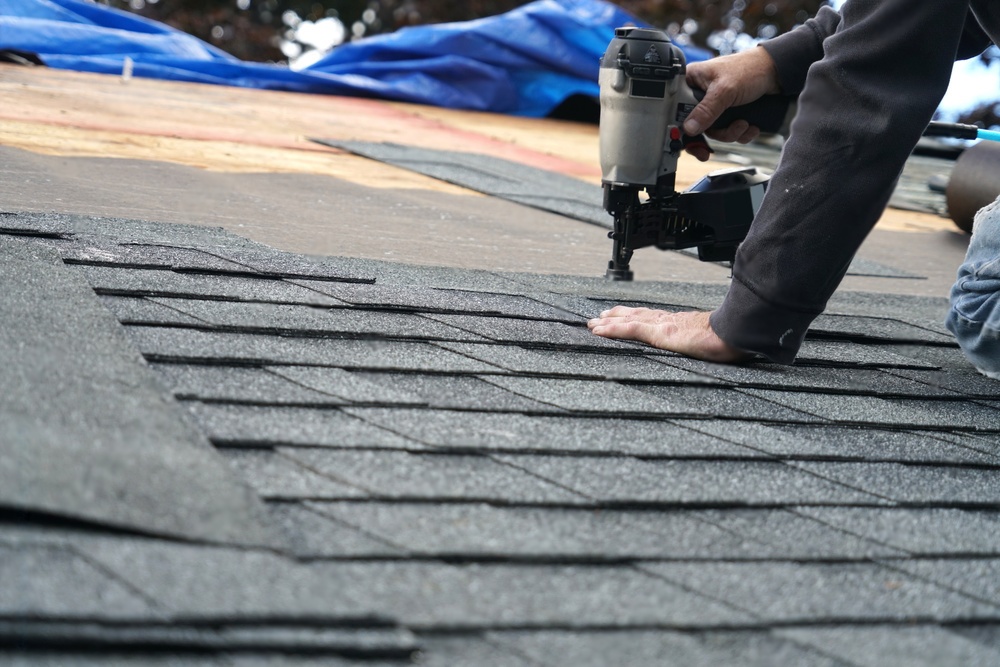
Roofing cop is a small detail, but it plays a big role in protecting a building from water damage. Installed along parapet walls and roof edges, it helps seal exposed areas, improve drainage, and reduce the risk of leaks, cracks, and structural wear over time.
For property owners, understanding roofing cop is important because roof damage often starts at the edges. When coping is installed correctly, it supports long-term roof performance and helps extend the life of the entire system.
At UD Roofing, we provide roofing solutions built to handle the weather conditions common across Maryland and Virginia, helping protect properties from unnecessary damage and repair costs.
What Is a Roofing COP?
A roofing cop, also known as coping, is a protective cap installed on top of parapet walls or along the edges of a roof. Its primary purpose is to seal and protect these exposed areas from water penetration.
Roof edges and wall tops are naturally vulnerable because they are directly exposed to rain, wind, and temperature fluctuations. Without proper protection, water can seep into these areas, causing hidden damage over time.
Why Is It Called Coping?
The term “coping” comes from construction terminology, referring to the top layer that “caps” or protects a wall. In roofing systems, it serves as the first line of defense against environmental exposure.
Why Roofing COP Matters
Many roofing failures begin at the edges, not in the middle of the roof. This makes roofing cop one of the most critical components for long-term performance.
Prevents Costly Water Damage
Even a small gap in roof edges can allow water to penetrate. Over time, this leads to:
- Interior leaks
- Damaged ceilings and walls
- Mold and mildew growth
These issues often remain hidden until significant damage has already occurred.
Protects Parapet Walls from Weather Exposure
Parapet walls are constantly exposed to harsh environmental conditions, including UV rays, rain, snow, and freeze-thaw cycles. Without coping, these walls can crack, deteriorate, and eventually fail.
Improves Drainage Efficiency
Standing water is one of the biggest threats to flat roofs. Proper coping ensures that water is directed toward drains or gutters, reducing stress on roofing materials.
Extends Roof Lifespan
By protecting critical areas, roofing cop reduces wear and tear on the entire system. This results in fewer repairs and a longer-lasting roof.
Key Functions of Roofing COP
Roofing cop protects some of the most exposed parts of a roof. It helps keep water out, supports drainage, and reduces the risk of long-term damage.
1. Protects Vulnerable Roof Edges
Roof edges and parapet walls are among the most exposed parts of a structure. Roofing cop creates a sealed barrier that prevents water from entering joints and seams.
2. Directs Water Away from the Structure
Most coping systems are slightly sloped or designed with drip edges. This allows water to flow away from the building instead of collecting on the roof surface or seeping into the structure.
3. Prevents Structural Damage
Water infiltration can damage insulation, weaken structural supports, and lead to mold growth. By blocking water entry, roofing cop preserves the integrity of the entire roofing system.
4. Enhances Overall Roof Performance
A well-installed coping system works alongside other roofing components to improve drainage, durability, and efficiency.
Types of Roofing COP
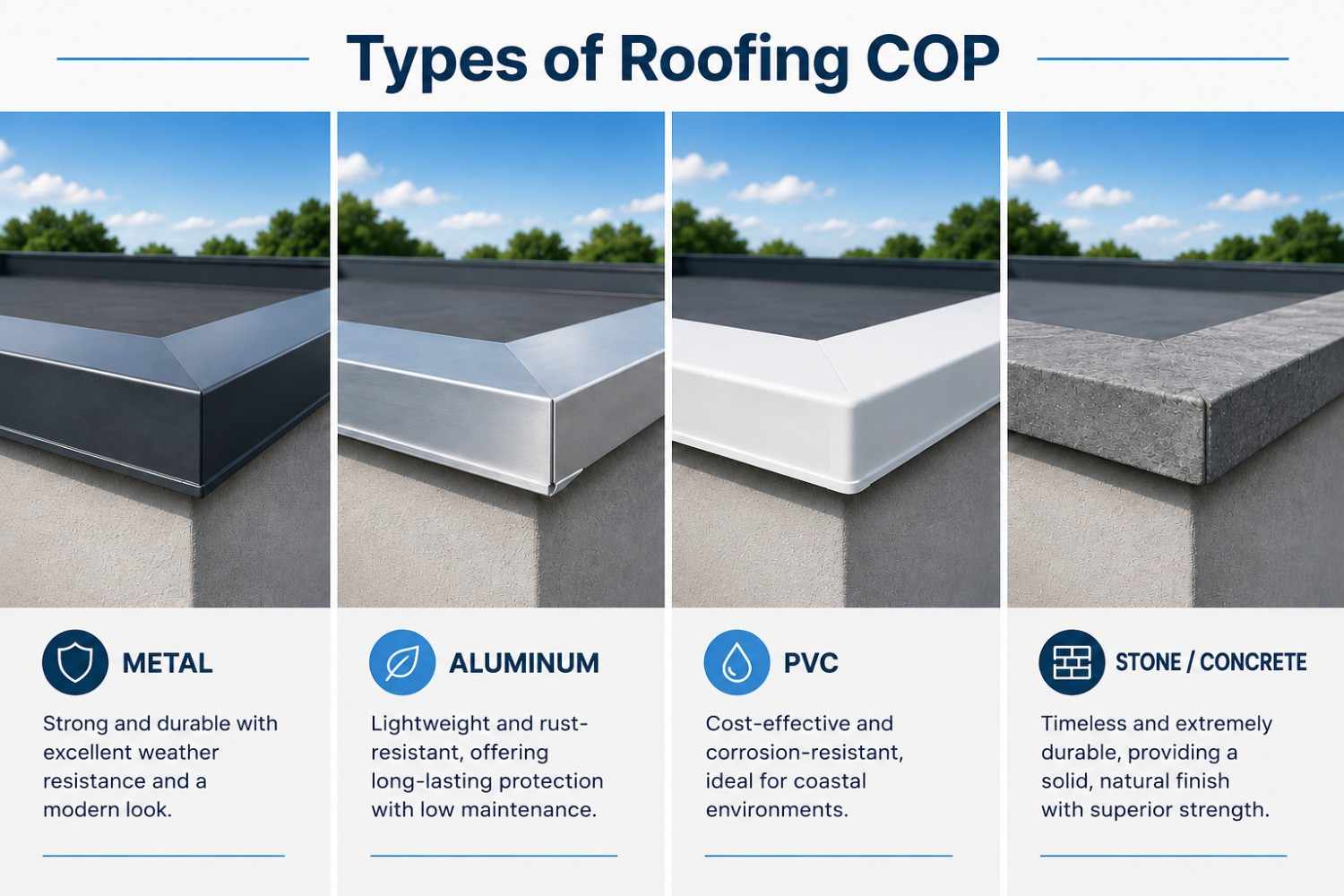
Roofing cop comes in different types, and the right choice depends on the roof design, local weather, budget, and maintenance needs. Each type offers a different level of durability, appearance, and protection for roof edges and parapet walls.
1. Metal Roofing Cop
Metal roofing cop is a popular choice because it is strong, durable, and built to handle different weather conditions. It is often made from steel or aluminum and is used on many modern roofing systems. This type is a good option when long-term protection is important.
2. Stone or Concrete Roofing Cop
Stone and concrete coping are often used on traditional or masonry buildings. They offer solid protection and a classic look. These materials are very durable, but they are also heavier, so they may need stronger support during installation.
3. PVC Roofing Cop
PVC roofing cop is a lighter and more affordable option. It is commonly used on flat roofs and is valued for easy installation and low maintenance. This makes it a practical choice for property owners who want simple roof-edge protection.
4. Composite Roofing Cop
Composite roofing cop is made from mixed materials designed to give a balance of strength, cost, and ease of care. It can be a smart choice for property owners who want reliable protection without the weight of stone or the higher cost of metal.
Which Type Is Best?
The best type of roofing cop depends on your roof style, climate, and budget. Metal is usually preferred for strength and long life, while PVC and composite options are often chosen for lighter weight and easier maintenance.
Roofing COP Material Comparison
| Material | Best Use Case | Durability Level | Maintenance Level | Key Advantages | Limitations |
|---|---|---|---|---|---|
| Metal (Steel/Copper) | Long-term, high-performance roofs | High | Moderate | Strong, weather-resistant, long lifespan | Higher cost, may require corrosion protection |
| Aluminum | Humid or coastal environments | Moderate-High | Low | Lightweight, rust-resistant, cost-effective | Can dent under impact |
| Stone/Concrete | Masonry and traditional buildings | Very High | Moderate-High | Extremely durable, classic appearance | Heavy, expensive, needs structural support |
| PVC/Composite | Budget and flat roofing systems | Moderate | Low | Affordable, low maintenance, easy installation | Shorter lifespan than metal |
Each material has its place depending on the building type, environmental conditions, and budget. Metal coping is often preferred for long-term durability, while PVC and aluminum are popular for cost-effective and low-maintenance solutions.
Where Roofing COP Is Installed
Roofing cop is used in several key areas where protection is most needed.
Parapet Walls
Installed along the top of parapet walls to prevent water from entering the masonry or roofing system.
Flat Roof Edges
Seals the perimeter where the roof membrane meets vertical surfaces, creating a continuous waterproof barrier.
Roof-to-Wall Transitions
Protects areas where the roof connects to walls or other structures, reducing the risk of leaks.
How to Choose the Right Roofing Cop
Selecting the most suitable roofing cop material for your property depends on a few key considerations:
Match the Material to Your Roof Type: Different roofing systems perform better with specific coping materials. For instance, PVC coping is commonly used with TPO roofing systems, while metal coping is more flexible and can be installed on most roof types.
Consider Your Local Climate: In humid or coastal regions, aluminum or PVC coping is often preferred because these materials resist rust and corrosion. In colder climates, it is important to choose materials that can handle freeze-thaw cycles without cracking, such as durable metal or composite options.
Factor in Long-Term Maintenance: Each material comes with different maintenance needs. Metal coping may require occasional repainting or resealing, while stone and concrete systems might need periodic repair of mortar joints. Aluminum and PVC options are generally easier to maintain.
Compare Quotes from Multiple Contractors: Always request detailed, itemized estimates from different contractors. This allows you to clearly understand costs, compare services, and avoid unexpected or hidden charges.
Signs Your Roofing COP Needs Replacement
Routine inspections can help identify issues before they become serious problems.
Common Warning Signs
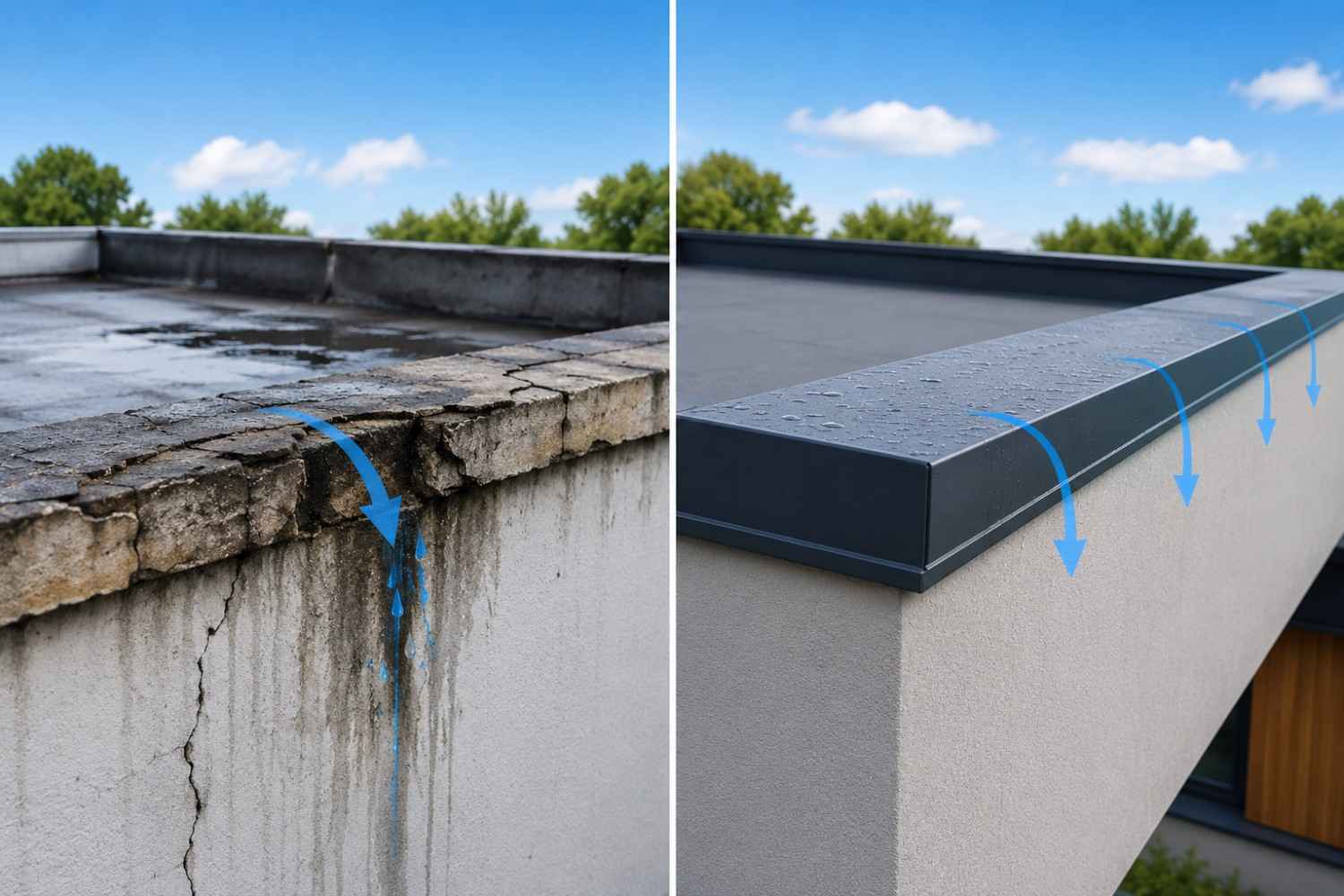
- Rust or Corrosion: Weakens metal coping and allows water entry
- Loose or Missing Sections: Creates gaps where water can seep in
- Water Stains: Indicates possible leaks near roof edges
- Cracks or Warping: Reduces the effectiveness of water drainage
If you notice any of these signs, it’s important to address them promptly.
Roofing COP vs Flashing: Understanding the Difference
Although both components are essential for waterproofing, they serve different purposes.
- Roofing COP: Covers the top of parapet walls and roof edges
- Flashing: Seals joints, seams, and intersections within the roof
Both must work together to create a fully protected roofing system.
Frequently Asked Questions
What is a roofing cop used for?
Roofing cop is used to protect parapet walls, roof edges, and other exposed areas from water penetration. It helps seal vulnerable points and supports proper drainage.
Is roofing cop necessary for all roofs?
Not every roof uses the same type of coping, but many flat and parapet roof systems benefit from it. It is especially useful where roof edges are exposed to rain and weather.
Which material is best for roofing cop?
The best material depends on the building type, climate, and budget. Metal is often chosen for durability, while aluminum and PVC are popular for lower maintenance.
Can damaged roofing cop cause leaks?
Yes. If roofing cop is loose, cracked, rusted, or missing, water can enter the roof edge or parapet wall and lead to leaks and hidden damage.
Conclusion
A roofing cop is a small but essential component that plays a major role in the performance and longevity of your roof. By protecting vulnerable edges, improving drainage, and preventing water infiltration, it helps maintain the structural integrity of your property.
Ignoring coping can lead to hidden damage, increased maintenance costs, and premature roof failure. On the other hand, selecting the right material and ensuring proper installation can provide long-term protection and peace of mind.
For property owners seeking reliable and professional roofing solutions, UD Roofing offers expert guidance and quality workmanship tailored to modern roofing needs.
Ready to Transform Your Space?
Contact Us Today!
Get in touch with our team today for trusted service.




Trusted by 50+ businesses across Maryland & Virginia.