When planning a home exterior upgrade, choosing the right siding style matters. Many homeowners compare dutch lap siding vs traditional siding because both options can improve curb appeal, protect the home, and create a fresh exterior look.
The main difference is appearance. Dutch lap siding has a curved groove that creates shadow and depth, while traditional siding has a flatter, cleaner profile. In this guide, we will compare dutch lap siding vs traditional siding by style, durability, maintenance, and overall value so you can choose the better option for your home.
What Is Traditional Siding?
Traditional siding, often called standard lap siding, is one of the most familiar siding styles used on homes. It is installed horizontally, with each panel slightly overlapping the panel below it.
This overlap helps shed rainwater and gives the home a clean, simple exterior finish. Traditional siding works well on many home styles, including colonial, ranch, farmhouse, and modern homes.
Key Features of Traditional Siding
- Flat and simple horizontal profile
- Clean and timeless appearance
- Works with many home designs
- Usually easy to install
- Often more budget-friendly
- Available in vinyl, wood, fiber cement, and engineered materials
What Is Dutch Lap Siding?
Dutch lap siding is also installed horizontally, but it has a curved groove or notch near the top of each panel. This small detail creates a shadow line across the wall.
Because of this shadow effect, Dutch lap siding looks more dimensional than standard siding. It gives the exterior a more shaped and polished appearance without making the home look too busy.
Key Features of Dutch Lap Siding
- Curved groove creates depth
- Stronger shadow lines
- More detailed exterior look
- Helps plain walls look more finished
- Popular for classic and upgraded home exteriors
- Available in vinyl and other siding materials
Dutch Lap Siding vs Traditional Siding: Quick Comparison
When comparing dutch lap siding vs traditional siding, the right choice depends on whether you want a more decorative exterior or a simpler classic finish.
| Feature | Dutch Lap Siding | Traditional Siding |
|---|---|---|
| Appearance | More depth and shadow | Flat, smooth, and simple |
| Curb Appeal | More eye-catching | Clean and classic |
| Best For | Homes needing more detail | Homes needing a simple finish |
| Style Feel | Polished and decorative | Timeless and balanced |
| Maintenance | Low, depending on material | Low, depending on material |
| Installation | Needs careful alignment | Usually more straightforward |
| Cost | Can be slightly higher | Often more affordable |
| Overall Choice | Best for added character | Best for simple elegance |
Visual Appeal: Which One Looks Better?
Appearance is usually the biggest reason homeowners compare Dutch lap siding vs traditional siding.
Traditional Siding Look
Traditional siding gives your home a smooth and familiar appearance. It is a good option if you want the exterior to look neat, simple, and balanced.
Dutch Lap Siding Look
Dutch lap siding adds more shadow and character. The curved groove catches light differently, which can make the exterior look richer and more detailed.
Best Choice for Curb Appeal
If your home exterior looks plain, Dutch lap siding can add more visual interest. If your home already has strong design features like stone, shutters, porches, or detailed trim, traditional siding can keep the exterior from looking too busy.
Material Options for Both Siding Styles
Both Dutch lap siding and traditional siding are available in different materials. The style affects the look, but the material affects durability, maintenance, and cost.
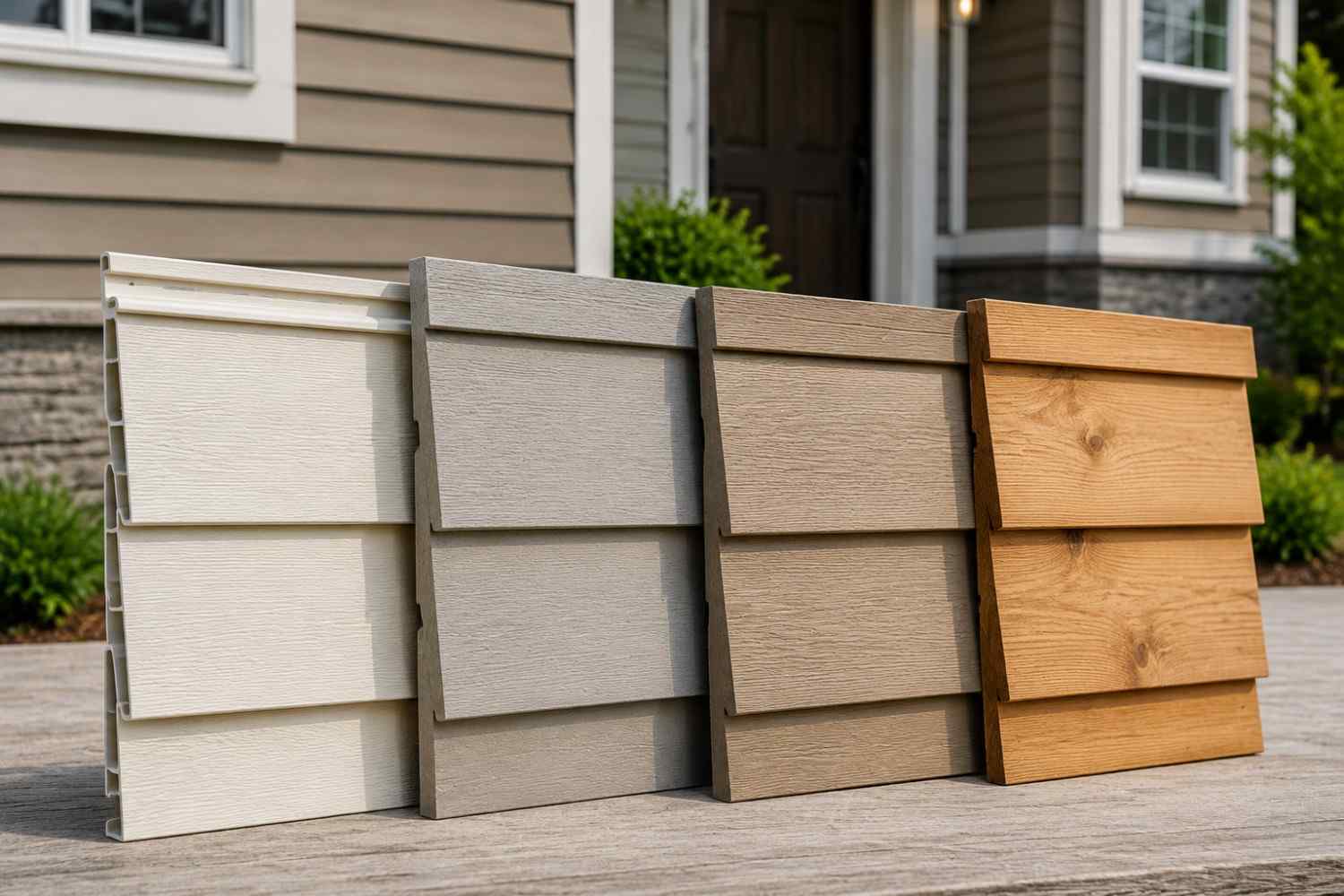
Common siding materials include:
- Vinyl siding
- Fiber cement siding
- Engineered wood siding
- Natural wood siding
Vinyl is often popular because it is affordable and low maintenance. Fiber cement is strong and long-lasting. Wood gives a natural look but needs more care.
Durability and Weather Protection
Both siding styles can protect your home well when installed correctly. The profile alone does not decide durability. Material quality and installation are more important.
Traditional Siding Durability
Traditional siding performs well when properly overlapped, sealed, and fastened. Its flatter surface is simple and dependable.
Dutch Lap Siding Durability
Dutch lap siding offers similar protection, but its groove can help hide small seams and minor surface imperfections. It still needs proper installation to avoid gaps and uneven lines.
For both styles, good siding installation helps protect the home from rain, wind, heat, and moisture damage.
Maintenance and Long-Term Care
Maintenance depends mostly on the siding material, not only the style.
Traditional siding may be slightly easier to clean because it has a flatter surface. Dutch lap siding may collect light dust near the groove, but normal washing is usually enough.
Simple Maintenance Tips
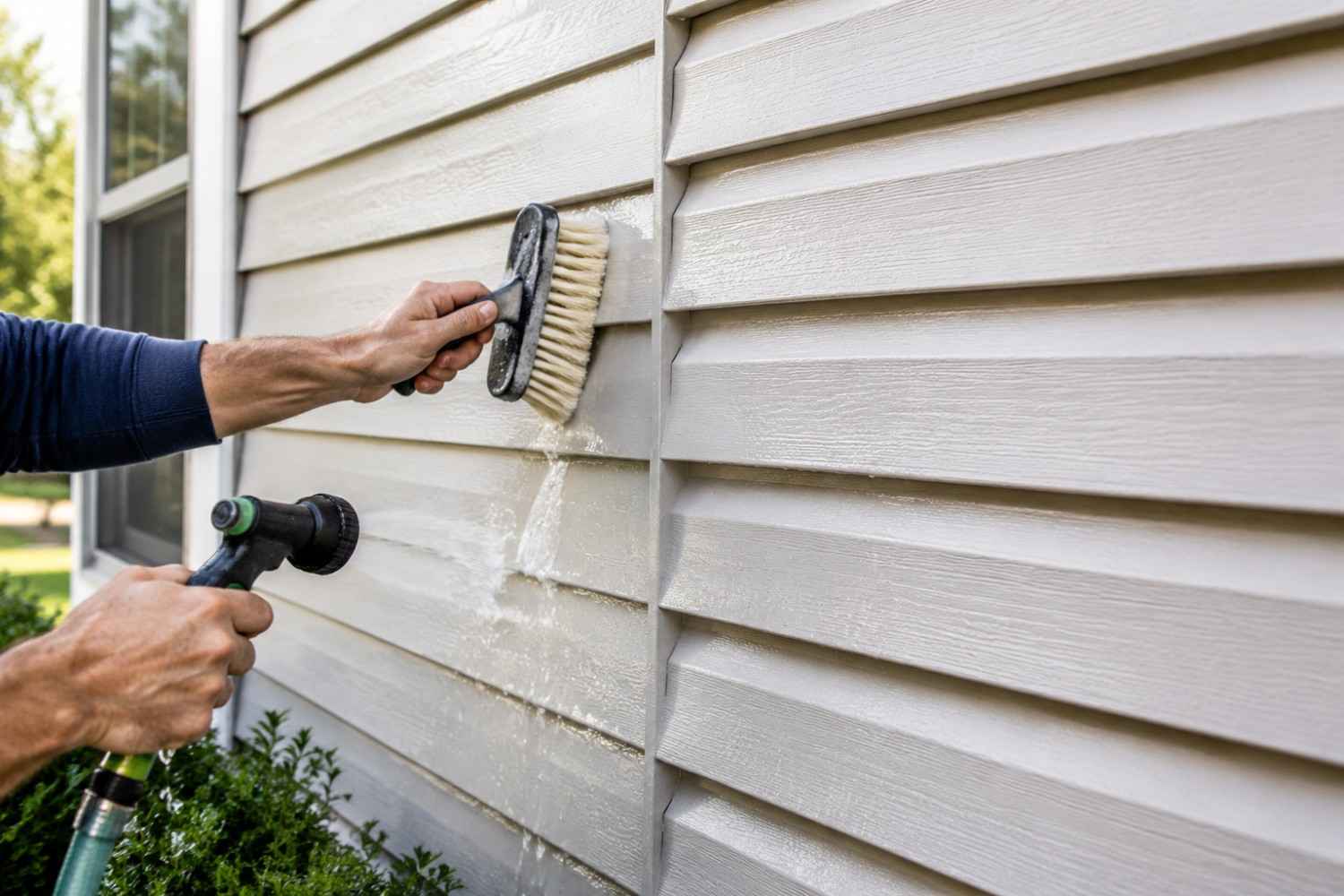
- Wash siding once or twice a year
- Check for loose or cracked panels
- Inspect siding after storms
- Keep gutters working properly
- Avoid harsh pressure washing
- Repair small issues early
With proper care, both siding styles can stay attractive for many years.
Installation Differences
Traditional siding is usually more straightforward to install because the panels are flatter. Dutch lap siding needs more attention because the shadow lines must stay even across the wall.
If Dutch lap siding is not aligned correctly, the exterior can look uneven. That is why professional siding installation is important, especially for homes with many windows, corners, doors, and trim details.
United Developers can help homeowners compare both siding styles and choose the right option based on home design, material preference, and long-term exterior goals.
Which Siding Style Is Better for Your Home?
There is no one-size-fits-all answer. The better choice depends on what you want your home to look like.
Choose Dutch Lap Siding If You Want:
- More depth and shadow
- Stronger curb appeal
- A more detailed exterior
- A premium-looking finish
- A style that makes plain walls more attractive
Choose Traditional Siding If You Want:
- A simple and clean look
- A classic exterior style
- A more budget-friendly option
- Easier cleaning
- A style that fits almost any home
Which One Adds More Home Value?
Both siding styles can improve home value when the siding is new, clean, and properly installed. However, Dutch lap siding may create a stronger first impression because it adds more shape and visual detail.
Traditional siding still has strong value because it is timeless and widely accepted. It is a safe choice for homeowners who want a classic exterior that will not look outdated quickly.
FAQs
What is the difference between Dutch lap siding and traditional siding?
The main difference in dutch lap siding vs traditional siding is the profile. Dutch lap siding has a curved groove that creates shadow and depth, while traditional siding has a flatter and simpler look.
Is Dutch lap siding better than traditional siding?
Dutch lap siding is better if you want more curb appeal, depth, and a polished exterior. Traditional siding is better if you want a clean, classic, and often more budget-friendly siding style.
Does Dutch lap siding cost more than traditional siding?
Dutch lap siding can cost slightly more than traditional siding because of its shaped profile and installation detail. The final cost depends on the siding material, home size, labor, and old siding removal.
Which siding is easier to maintain, Dutch lap or traditional siding?
Traditional siding is usually a little easier to clean because it has a flatter surface. Dutch lap siding may collect light dust near the groove, but regular washing is usually enough.
Does Dutch lap siding increase curb appeal?
Yes, Dutch lap siding can increase curb appeal because its shadow lines make the exterior look deeper and more finished. In a dutch lap siding vs traditional siding comparison, Dutch lap usually looks more decorative and eye-catching.
Final Thoughts
Dutch lap siding vs traditional siding comes down to style, budget, and curb appeal. Dutch lap siding is better if you want more depth, shadow, and a polished exterior look. Traditional siding is better if you want a clean, simple, and classic finish.
Both options can protect your home and improve its appearance. The best siding choice is the one that matches your home’s design and your long-term goals.
If you are planning a siding upgrade, United Developers can help you choose the right siding style and complete the installation with clean, professional workmanship.
Ready to Transform Your Space?
Contact Us Today!
Get in touch with our team today for trusted service.




Trusted by 50+ businesses across Maryland & Virginia.