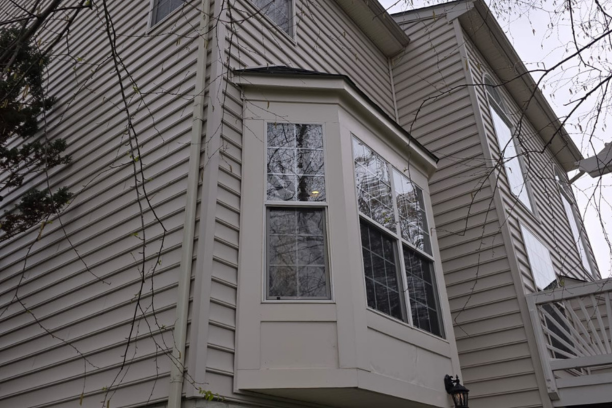
Vertical vinyl siding is a smart exterior option for homeowners who want a cleaner, taller, and more distinctive look without the maintenance that comes with wood siding. Instead of running side to side like traditional lap siding, vertical siding runs up and down, creating strong lines that can make a home feel more modern, structured, and visually balanced.
It is especially popular for gables, entryways, garages, dormers, farmhouse-style exteriors, and modern home upgrades. But like any siding choice, it has strengths and drawbacks. The final result depends on the quality of the material, the home’s design, and most importantly, the installation.
This guide explains the pros, cons, styles, comparison points, and practical tips homeowners should know before choosing vertical vinyl siding.
What Is Vertical Vinyl Siding?
Vertical vinyl siding is exterior siding installed in an up-and-down direction instead of the traditional horizontal layout. It protects the outside walls of a home while giving the exterior a taller, cleaner, and more defined look.
This style is often used on gables, dormers, entryways, garage fronts, and full exterior walls when homeowners want more visual interest. One of the most popular options is vertical board and batten vinyl siding, which has wide panels with narrow raised strips for a classic, textured appearance.
Homeowners choose vertical vinyl siding because it offers the look of traditional vertical boards with easier maintenance than wood. It can work well on farmhouse, craftsman, and modern homes, especially when the color, trim, and placement are planned carefully.
Is Vertical Vinyl Siding Worth It? Quick Answer
Vertical vinyl siding is worth it if you want a low-maintenance siding option that adds height, texture, and stronger visual character to your home. It works well for homeowners who want something more eye-catching than standard horizontal siding but still want the practical benefits of vinyl.
It is a strong choice when:
- Your home exterior looks flat or outdated
- You want a farmhouse, modern, or craftsman-style look
- You prefer low-maintenance siding over painted wood
- You want to highlight gables, garages, or entry areas
- You want a cleaner exterior design with stronger vertical lines
It may not be the best choice if your home’s shape does not suit vertical lines or if you want the deep natural texture of real wood. Vinyl siding can look clean and attractive, but it still has its own material appearance.
In most cases, vertical siding works best when the design is planned carefully. The goal is not just to install new siding. The goal is to make the whole exterior look intentional.
Pros of Vertical Vinyl Siding
Vertical vinyl siding is a good option for homeowners who want a cleaner exterior look with less maintenance than wood. It adds height, texture, and curb appeal while still helping protect the home’s exterior walls.
Adds Height and Curb Appeal
Because the panels run up and down, vertical vinyl siding can make a home look taller and more defined. It works especially well on front gables, garage walls, dormers, and entry areas where the exterior needs more visual interest.
Works Well as an Accent
Vertical siding does not have to cover the whole home. Many homeowners use it on selected areas to create contrast with horizontal siding, brick, stone, or shake siding. This gives the exterior a more custom and finished look.
Easier to Maintain Than Wood
Vertical vinyl siding gives a similar look to board and batten wood siding but with less upkeep. It does not need regular painting, staining, or sealing, and it can usually be cleaned with simple washing when needed.
Fits Many Home Styles
This siding style works well with farmhouse, craftsman, modern, and traditional homes. Lighter colors create a classic look, while darker shades like charcoal, navy, or deep green can make the exterior feel more modern.
Cons of Vertical Vinyl Siding
Vertical vinyl siding looks clean and modern, but it needs the right home design and proper installation to work well. If the panels are not aligned correctly, uneven lines can be easy to notice.
Installation Must Be Precise
Vertical siding needs careful installation around windows, doors, corners, seams, and rooflines. Poor trim work or weak water management can affect both appearance and performance.
It May Not Suit Every Home
Some homes look better with vertical siding as an accent rather than across the full exterior. On certain house styles, too much vertical siding can feel bold or visually narrow.
Vinyl Does Not Fully Match Real Wood
Vertical board and batten vinyl siding can give a similar look to wood, but it will not have the exact depth or natural texture of handcrafted wood siding. High-quality panels can still look sharp, but the finish remains vinyl.
Vertical Vinyl Siding vs Horizontal Siding: Quick Comparison
Both vertical and horizontal siding can protect a home and improve curb appeal. The better choice depends on the look you want, the structure of the home, and how much visual contrast you need.
| Feature | Vertical Vinyl Siding | Horizontal Vinyl Siding |
|---|---|---|
| Visual effect | Makes the home look taller and more distinctive | Makes the home look wider and more traditional |
| Best use | Gables, accents, garages, modern and farmhouse designs | Full-home coverage, traditional exteriors, simple designs |
| Style impact | Stronger architectural statement | Clean, familiar, and classic |
| Maintenance | Low maintenance when installed correctly | Low maintenance and widely used |
| Installation focus | Requires careful alignment and trim work | More common and familiar to most installers |
| Best for homeowners who want | A custom, updated exterior look | A timeless and simple siding style |
Neither option is automatically better. In many cases, the strongest design uses both. Horizontal siding can cover the main walls, while vertical siding creates contrast on selected sections.
Popular Styles and Design Options
Vertical vinyl siding comes in different looks, but most homeowners choose it for a cleaner, taller exterior style. It can be used on the full home or only on accent areas like gables, garages, and entryways.
Vertical Board and Batten Vinyl Siding
This is the most popular style. It has wide vertical panels with narrow raised strips, giving the home a classic board-and-batten look. It works well on farmhouse, craftsman, and modern exteriors.
Smooth Vertical Vinyl Siding Panels
Smooth vertical panels create a simpler and more modern appearance. This style is better if you want clean vertical lines without too much texture.
Mixed Exterior Designs
Vertical siding also looks good when paired with horizontal siding, brick, stone, or shake siding.
| Style Choice | Best For |
|---|---|
| Board and batten | Farmhouse and craftsman homes |
| Smooth vertical panels | Modern exterior designs |
| Vertical siding accents | Gables, garages, and entryways |
| Mixed siding design | A more custom exterior look |
Color Options
Light colors like white, cream, and gray feel classic. Dark colors like navy, charcoal, and deep green create a bolder modern look. Warm neutrals like beige or taupe give the home a softer style.
Practical Tips Before You Choose Vertical Vinyl Siding
Before choosing vertical siding, look at your home from the street and notice where your eye naturally goes. Those are often the best places to add vertical panels.
A few practical tips can help you make a better decision:
- Use vertical siding on accent areas if you want a safer design choice.
- Match the siding color with the roof, trim, gutters, and front door.
- Avoid using too many exterior materials in one small area.
- Choose an experienced siding installer, not just the cheapest option.
- Ask how corners, windows, seams, and flashing will be handled.
Also consider the age and condition of your current siding. If only one section looks outdated, an accent upgrade may be enough. If the siding is cracked, warped, loose, or faded across multiple sides, a larger replacement may make more sense.
For homeowners comparing vertical siding vinyl options, samples are helpful. A small color square does not always show how the siding will look across a full wall. Try to view larger samples or completed projects when possible.
It is also wise to think long-term. Trendy colors and styles can look exciting now, but your home should still feel attractive years later. A balanced design usually ages better than an overly busy one.
Final Thoughts
Vertical vinyl siding is worth considering if you want your home to look more updated, structured, and visually interesting. It offers the low-maintenance benefits of vinyl while giving the exterior a more custom appearance.
Its biggest strength is design impact. Used in the right place, it can make a home look taller, cleaner, and more polished. Its biggest weakness is that it depends heavily on good planning and proper installation.
For many homeowners, the best option is not choosing between vertical and horizontal siding. It is using them together in a way that fits the home. Vertical vinyl siding can be a full exterior choice, but it often shines brightest when used as an accent that gives the house character without overwhelming the design.
Ready to Transform Your Space?
Contact Us Today!
Get in touch with our team today for trusted service.




Trusted by 50+ businesses across Maryland & Virginia.