9 signs of storm damage on asphalt shingles
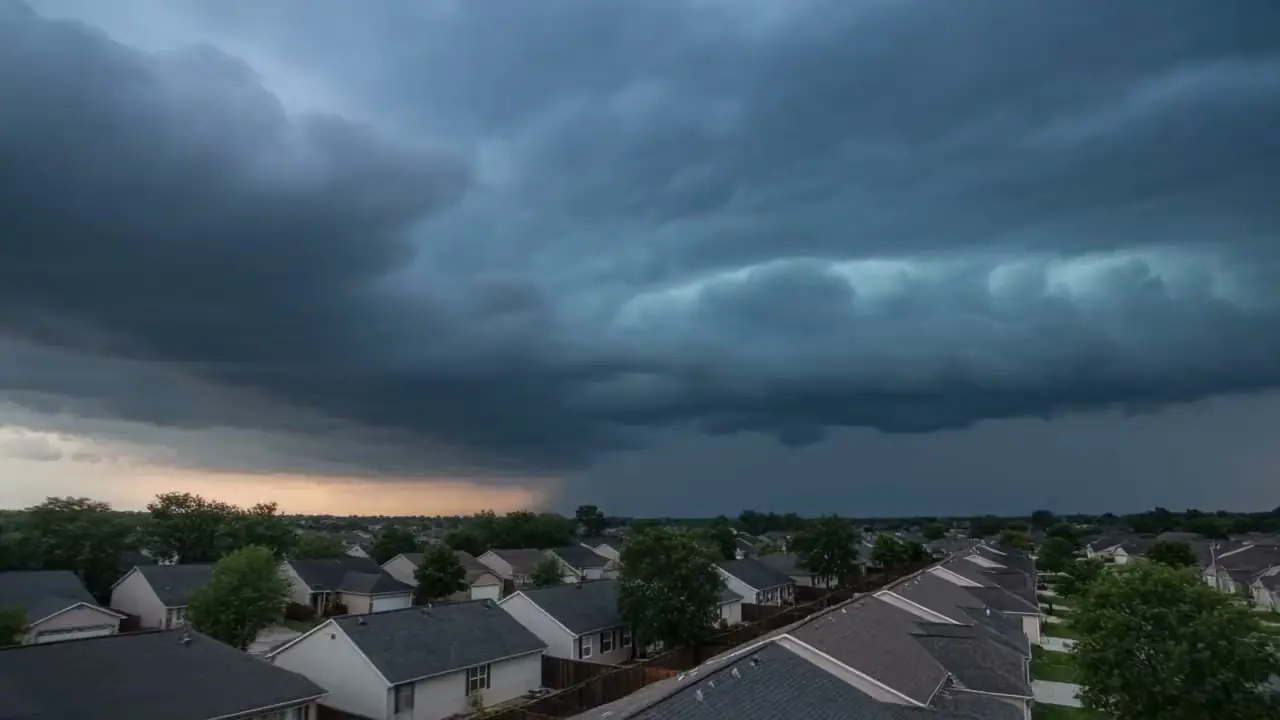
The DMV gets pounded by spring and summer storms — wind gusts, driving rain, and the hail that comes with severe thunderstorms. The frustrating part is that serious roof damage often looks like nothing from the driveway. A roof can lose years of life to a single storm while still looking fine to the untrained eye, and by the time a leak shows up inside, the claim window may have closed. Here are the nine signs of storm damage to look for on an asphalt shingle roof, and how to check safely.
Hail damage signs
Hail strikes the roof in a random scatter, knocking the protective mineral granules off the shingle surface and bruising the asphalt mat underneath. The four classic signs:
- 1. Random dark bruises or pockmarks. Look for scattered spots where granules are missing and the black mat shows through. Unlike normal wear, hail hits have no pattern and the spots often feel soft, like a bruise on an apple.
- 2. Granules in the gutters and at downspouts. A storm that strips granules washes a sandy sludge into the gutters. A pile of granules at the bottom of a downspout after a hailstorm is a strong early clue.
- 3. Dents on metal surfaces. Hail dents gutters, gutter aprons, vents, flashing, and especially the aluminum fins on your AC condenser. These dents are an honest record of how big the hail was and how hard it hit.
- 4. Cracked or split shingles. Larger hail can crack a shingle outright, leaving splits that let water reach the deck.
Wind damage signs
Wind works differently. It pries at the edges of shingles and breaks the factory seal that holds each course down. Shingles can lift at 45–50 mph and tear off entirely at 60 mph and above. Watch for:
- 5. Missing or crooked shingles. Bare spots, shingles askew, or tabs flipped up all point to wind. Even one missing shingle exposes the deck and the seam below it.
- 6. Lifted or curled tabs and a horizontal crease. When wind folds a shingle back and it flops down again, it leaves a crease line across the tab. The seal is broken even if the shingle looks reseated, so it will lift again in the next gust.
- 7. Granule loss along edges and ridges. Wind-driven rain scours the most exposed areas, so worn strips along eaves, rakes, and the ridge are a wind tell.
Damage you'll notice indoors and around the property
- 8. Debris in the yard and on the ground. Shingle pieces, granules, or torn underlayment in the yard came off your roof. Damage to fences, decks, screens, and patio furniture confirms the storm's intensity.
- 9. New ceiling stains or attic moisture. A fresh brown ring on a ceiling, or damp insulation and daylight in the attic, means water is already getting in. If you have an active leak, see our emergency roof-leak guide first.
⚠ Never walk your own roof to inspect it. Roofs are dangerous even when dry, and untrained footsteps can leave marks that muddy an insurance claim. Check from the ground and let a pro confirm from the surface.
How to check from the ground — safely
Found damage? Don't wait.
Storm damage is time-sensitive in two ways. Physically, exposed mat and broken seals let water in, and small problems compound with each new storm. From a claims standpoint, most policies expect prompt filing and many carriers apply a one-year window from the date of loss, so the sooner you document and act, the cleaner the link to the storm. A licensed roofer can confirm the damage, photograph it from the roof surface, and walk you through the next steps. (For the full claim process, see our roof insurance claim guide, and for the broader hail/wind picture, our storm & hail damage guide.)
One important note: in Maryland it is illegal for a contractor to pay, waive, or rebate your insurance deductible, and no honest roofer can promise a specific claim outcome — the carrier makes the coverage decision. Be wary of any "storm chaser" who offers either.
Free inspection, typically within 24 hours + full photo report — free.
A licensed inspector documents your whole roof and you keep the report either way, at no cost. No pressure, no sales script.
Book My Free Inspection →Not sure whether the damage justifies a full replacement, or just want a ballpark on a new roof? Get a no-pressure instant satellite roof quote, or start a free inspection request and we'll come take a look.
Frequently asked questions
What does hail damage look like on asphalt shingles?
Random dark bruises or pockmarks where granules were knocked off, exposing the black asphalt mat. The spots are scattered with no pattern, often feel soft like a bruise, and usually come with dented gutters, vents, and AC fins. Granules collecting in your gutters is a common early sign.
Can I tell if my shingles are storm damaged from the ground?
You can spot several signs — missing or crooked shingles, dark patches, yard debris, granule sludge at downspouts, and dents on gutters and AC fins. But many hail bruises and wind creases only show up close, which is why a professional surface inspection catches what a ground check misses.
How long do I have to file a storm damage roof claim in Maryland?
Most policies require prompt filing, and many carriers apply a one-year window from the date of loss, though terms vary by policy. Filing sooner makes it easier to tie the damage to a specific storm. Confirm the storm date for your address with our DMV storm tracker.
Should I get on the roof to check for storm damage myself?
No. Walking a roof is dangerous and untrained footsteps can complicate a claim. Inspect from the ground, then book a free professional inspection so a licensed, insured roofer can document the damage safely.
If this is happening on your roof now: storm damage replacement, storm and insurance restoration, or book the free inspection — a photo report inside 24 hours, yours to keep.