Roofing Contractor in Bethesda, MD
Bethesda's storm restoration roofing team.
★★★★★ 4.9 stars from 139 Google reviews · MHIC #111971 · GAF Certified
Premium materials on the larger Bethesda houses: cedar shake roofing, standing seam metal and copper half-round gutters.
Also in Bethesda, MD: Storm Damage Repair in Bethesda, MD, Roof Replacement in Bethesda, MD and Roof Replacement in Bethesda, MD. Nearby: roofing contractor in Chevy Chase, MD and roofing contractor in Kensington, MD. Or read how we do it statewide across Maryland on our roofing and roof replacement service.
Free inspection, typically within 24 hours across Bethesda 20814. We work with your insurance. On an approved claim, your deductible is typically your out-of-pocket cost. Your carrier determines coverage; we are a licensed contractor, not a public adjuster, and we do not negotiate or adjust your claim.
Free inspection, typically within 24 hours + full photo report — free.
Roofing & storm restoration in Bethesda, MD
When hail and wind hit Montgomery County, Bethesda homeowners call United Developers. We're minutes away, GAF factory-certified, and we guide you through the entire insurance claim — free inspection, photo report, adjuster meeting, and a roof that's usually installed in a single day.
Serving Bethesda 20814 and every surrounding neighborhood with roofing, siding, gutters, windows and painting.
Looking for a roofing company in Bethesda, MD rather than a one-truck subcontractor? United Developers is family-owned, GAF factory-certified and licensed (MHIC #111971), with 4.9★ from 139 Google reviews and A+ BBB accreditation — and the crew that inspects your roof is the crew that replaces it.
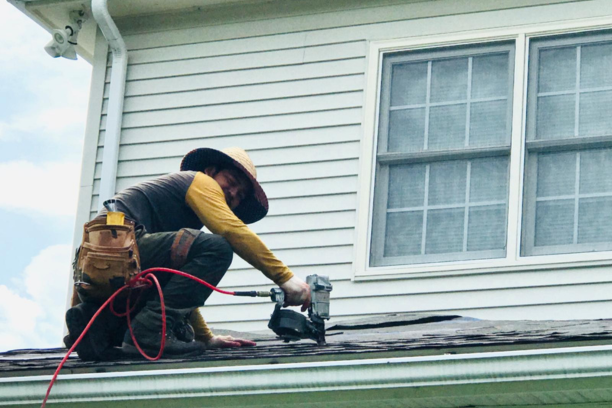
Everything Bethesda homes need — one accountable team
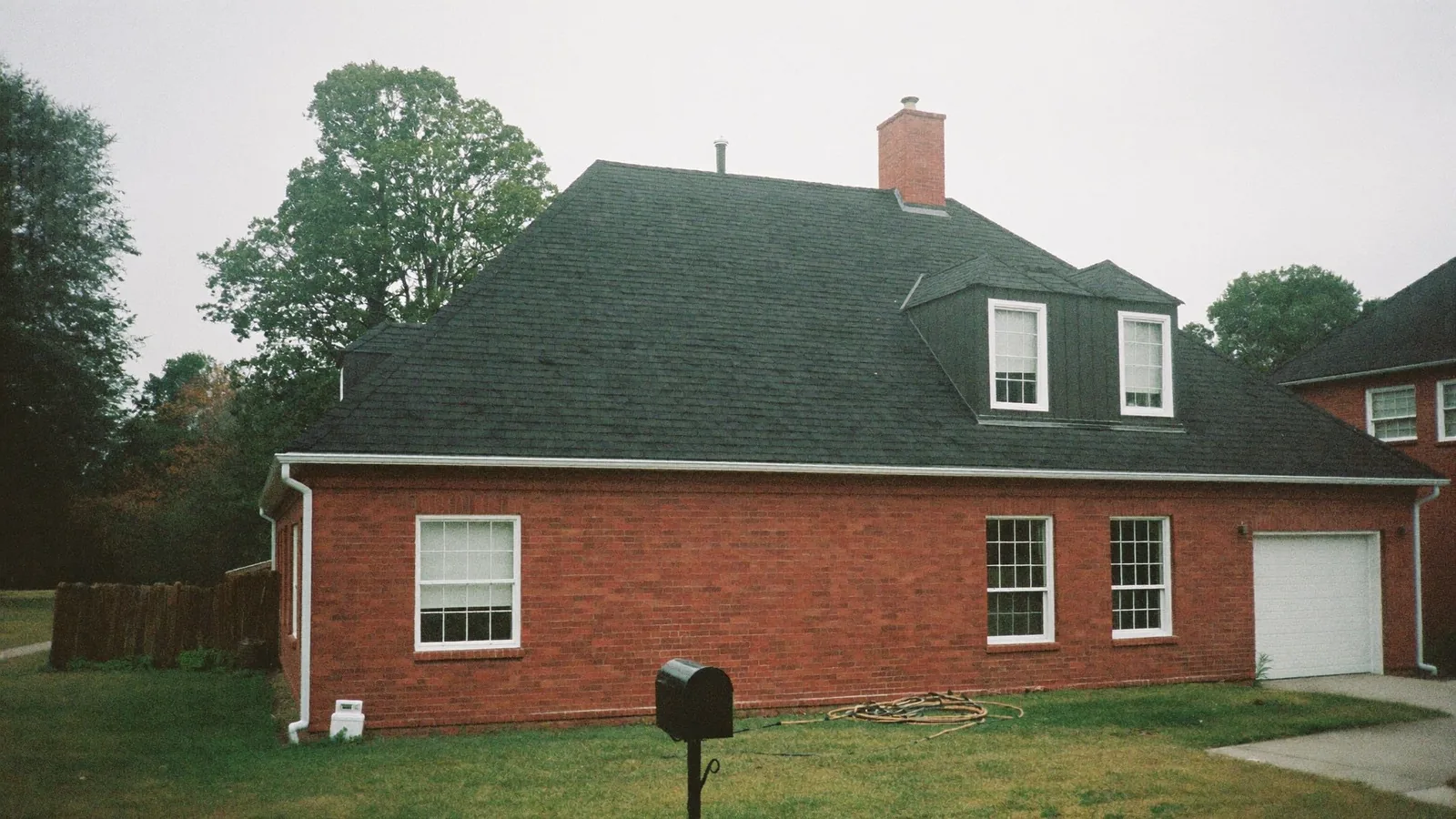
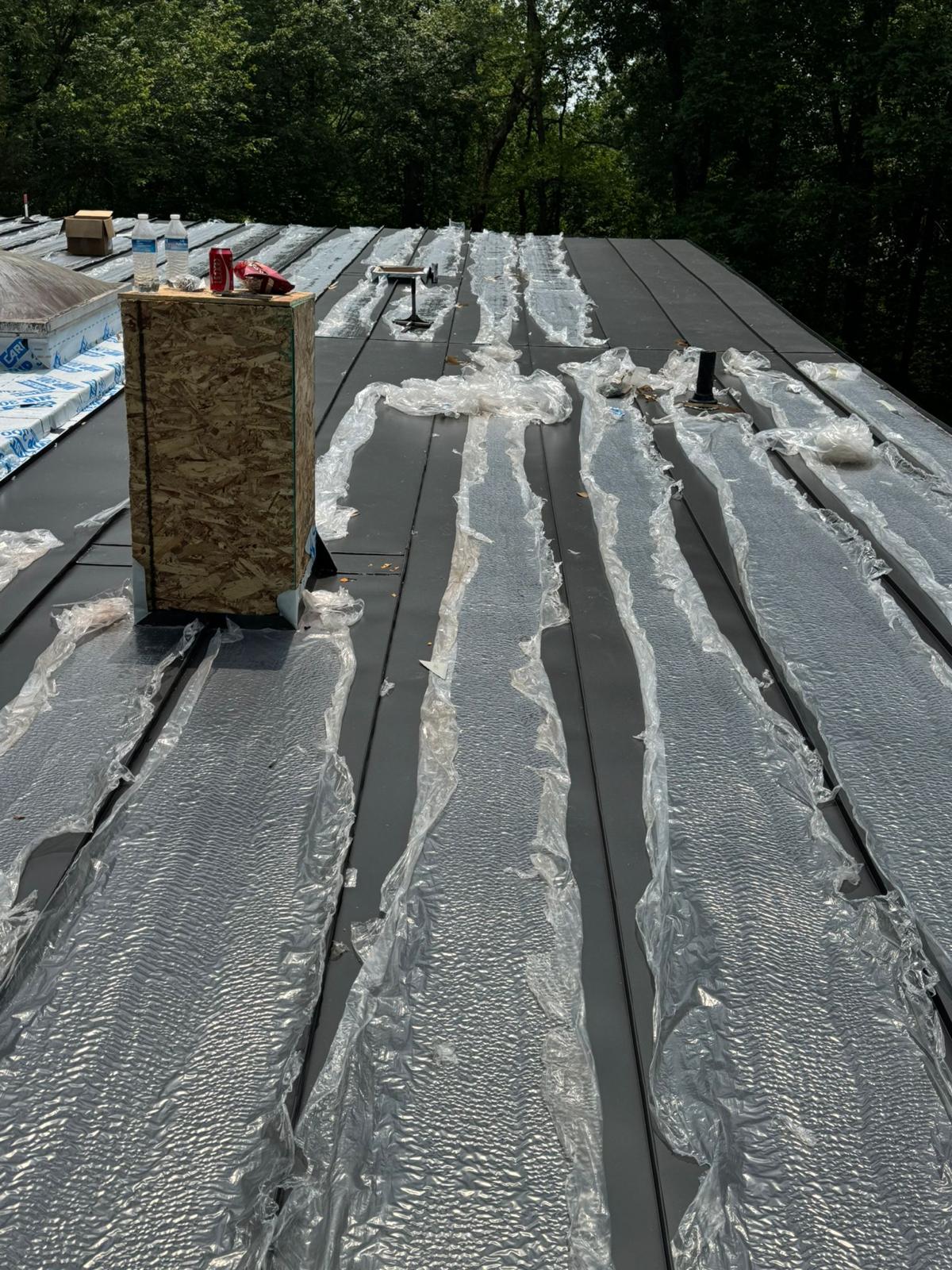
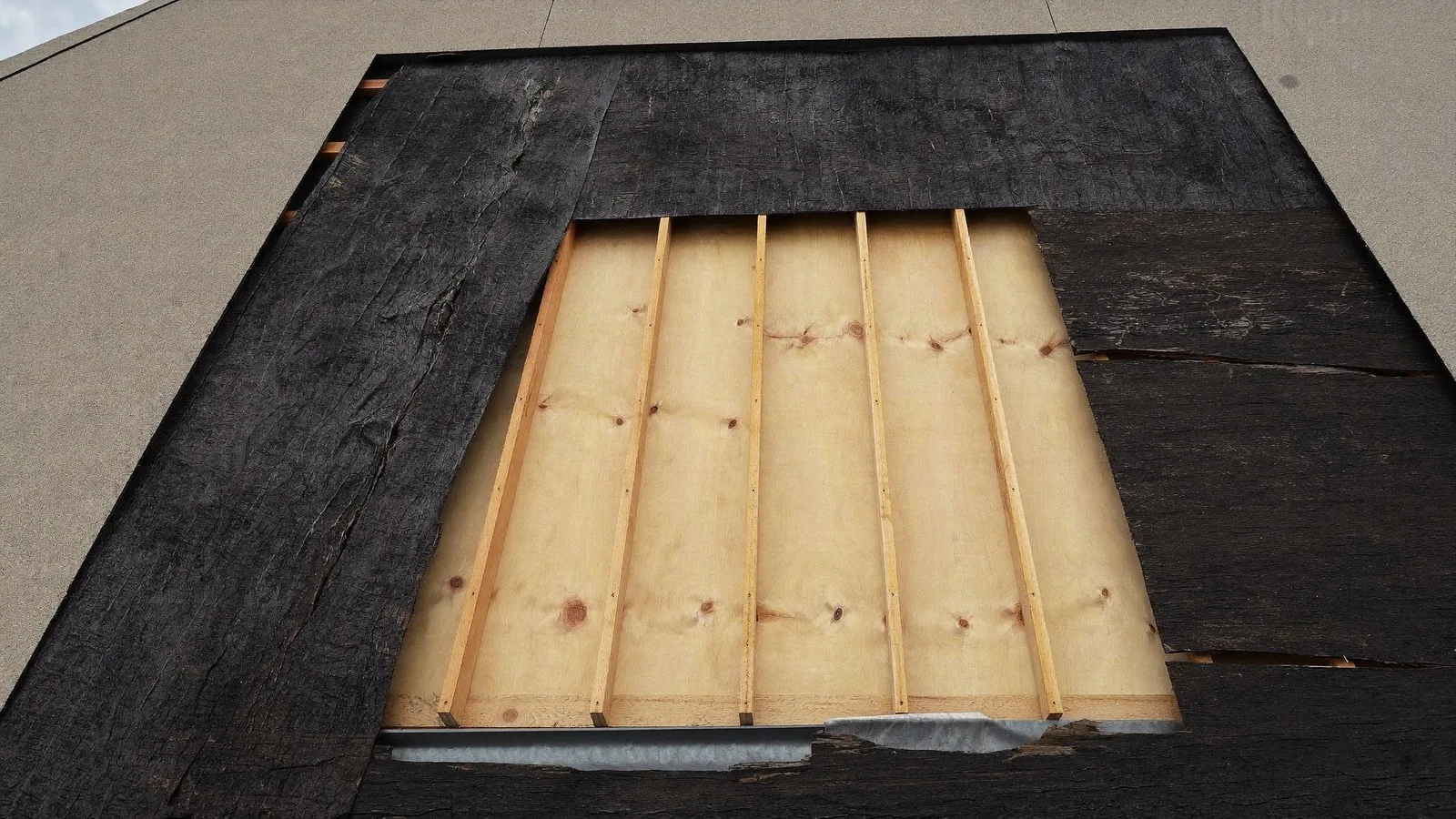
Bethesda roofs aren't all the same
Bethesda spans ZIPs 20814, 20816, 20817, and the roof on one street can be nothing like the roof six blocks over. Here's what we actually run into, by area.
Edgemoor
Large 1920s–1930s colonials and tudors with steep pitch, dormers and multiple valleys. These are the most labor-intensive residential roofs in our service area.
Battery Park
Historic district — exterior changes visible from the street carry an added preservation review that affects material choice.
Woodmont Triangle
Mixed older stock alongside newer infill; two homes on the same block can be 80 years apart.
Bradley Hills & Burning Tree
Mid-century ranches and large newer builds on wooded lots, with significant shaded roof planes that hold moss and algae.
Neighborhood characteristics are general observations from our own work in Bethesda and won't describe every property. An on-site inspection is what establishes the actual condition and scope for your roof.
Storm damage rarely shows from the driveway
Montgomery County takes hail and severe wind every storm season. One-inch hail bruises shingles even when the roof looks untouched from the ground, and sixty-mile-an-hour gusts crease shingles and break their seal — the kind of damage that starts leaking months later, once the claim window has tightened. If a storm has crossed Bethesda in the past year, your inspection is free and the photo report is yours either way. If it is storm damage, your insurance likely covers a full replacement and we document the damage and meet your adjuster start to finish.
Bethesda’s Roofs Are Older Than They Look
Most of Bethesda’s housing stock went up between the late 1930s and the mid-1960s — brick colonials in Westmoreland Hills and Edgemoor, ramblers and split-levels in Wyngate, Ayrlawn and Alta Vista, and Cape Cods tucked through Glen Echo Heights. Many of these homes are on their third or fourth roof, and we regularly find two full layers of shingles hiding under the top one, plank decking with gaps that modern shingles were never designed for, and 60-year-old attic ventilation that bakes shingles from underneath.
Add Bethesda’s famous tree canopy — gorgeous in October, brutal in a thunderstorm — and you get a very specific local pattern: limb punctures, gutter systems crushed by falling branches, moss and algae streaking on shaded north-facing slopes, and flashing failures around the chimneys and additions that nearly every home in 20814, 20816 and 20817 has picked up over the decades.
Common Roof Problems We See in Bethesda
Tree Impact & Limb Punctures
Mature oaks and tulip poplars in Wyngate, Bradley Hills and along the Little Falls corridor drop heavy limbs in wind events. Even a small puncture lets water into plank decking, where it travels far from the entry point before it shows on a ceiling.
Layered & Aging Shingle Roofs
Roofs installed over a previous layer in the ’80s and ’90s trap heat, void warranties and fail early. If your Bethesda roof is 18+ years old or has a visible “telegraphed” wavy look, it needs a proper tear-off evaluation.
Flat-Roof Additions & Porches
Kitchen bump-outs and sunroom additions across Alta Vista and Glen Echo Heights often carry low-slope roofs that were shingled instead of membraned. We rework these with proper TPO or modified bitumen tie-ins.
Chimney & Valley Flashing Failures
Original brick chimneys with 60-year-old step flashing are the #1 leak source we find in older Bethesda colonials. Re-flashing with new counterflashing usually solves it without a full replacement.
Free inspection, typically within 24 hours + full photo report — free.
The photo report is yours to keep either way, at no cost. Our install calendar books up during storm season — request your inspection and we'll confirm the next available date.
Book My Free Inspection →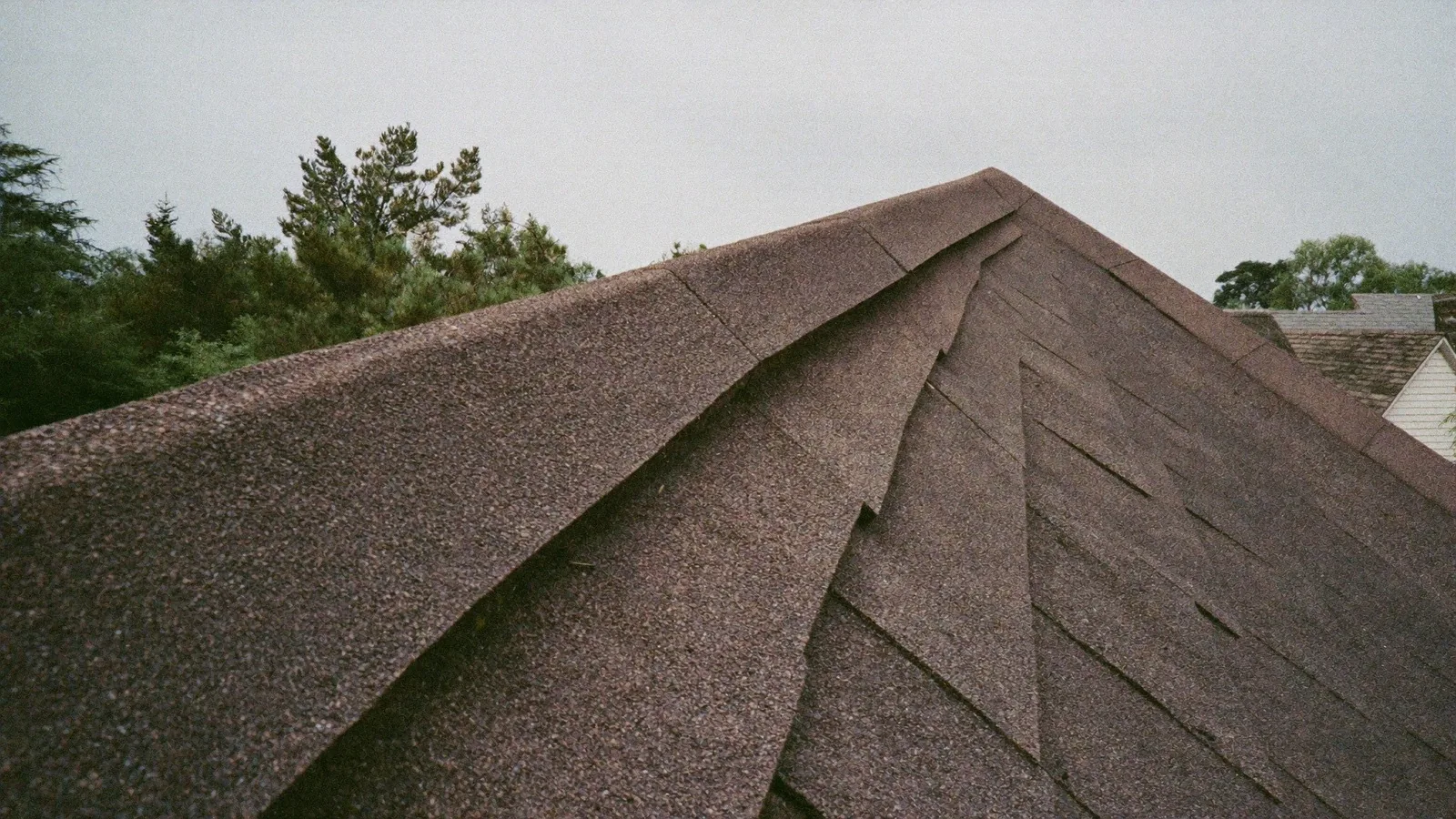
What Bethesda homeowners ask us
Which roofing company should I call in Bethesda, MD?
How fast can you inspect my roof in Bethesda?
How much does a roof replacement cost in Bethesda?
Do I need a permit to replace a roof in Montgomery County?
Will you work with my insurance company after storm damage?
Do you offer financing in Bethesda?
Your roof won't fix itself. We will.
Free inspection, typically within 24 hours + full photo report — free — and you keep the report either way.
Nearby areas we serve
United Developers serves Bethesda, MD and every surrounding community with the same free inspection, typically within 24 hours.
Roofing services in Bethesda, MD
Every roofing service we run in Bethesda
Each page covers what the work actually involves here — local permit rules, the housing stock, and the NOAA storm record for Montgomery County.
Storm Damage Roof Replacement in Bethesda →
Hail and wind damage documentation, insurance claim help, and full roof replacement.
Roof Replacement in Bethesda →
GAF architectural shingle and standing-seam metal roof replacement, most completed in a single day.
Roof Repair or Replacement in Bethesda →
Leak diagnosis, full moisture and decking assessment, and a written replacement price.
Remodeling in Bethesda →
Kitchens, bathrooms, basements and additions — same crew, same licences, one written scope.
Financing Disclosures
Representative example: $15,000 financed at 9.99% APR for 120 months = approximately $198/month. Total of payments approximately $23,760. Your actual rate, term, and payment depend on the lender, your credit, and the amount financed.
All financing is provided by independent third-party lenders on approved credit. United Developers is a home improvement contractor, not a lender, broker, or financial advisor, and does not make credit decisions or set rates. Rates, terms (12–180 months), and $0-down availability vary by lender and applicant and are subject to change. Not all applicants will qualify. Full financing disclosures →